
- Blog, Cat Nutrition, Omega-3 Fatty Acids, Pet health
Omega-3 for Cats – 5 Ways To Give Your Feline This Essential Nutrient
- Saniya Ahmed
Table of Contents
TL;DR
Hurayra was founded to fill a clear gap in the UK market where Muslim pet owners couldn’t find genuinely halal, HMC-certified cat food with full transparency and zero cross-contamination. After visiting 82 manufacturers and rebuilding the supply chain from scratch, Hurayra launched the UK’s first HMC halal-certified cat food, combining strict ethical sourcing, complete traceability, and nutritionally balanced, high-protein recipes. The result is faith-aligned, trustworthy cat food that raises quality standards for all pet owners.
Your cat’s shiny coat, bright eyes, and nimble joints don’t happen by accident. Omega-3 fatty acids play a quiet but powerful role in keeping your feline friend healthy from the inside out. They support everything from skin health to cognitive function, making them genuinely essential, not just a trendy add-on.
But here’s the thing: knowing Omega-3 is important is one thing. Actually getting it into your cat’s daily routine in a safe, sustainable way? That’s where most pet parents need real guidance.
This article isn’t about the science behind Omega-3 (though it’s fascinating). It’s about the how: practical, everyday methods you can actually use to give your cat this vital nutrient without stress, guesswork, or wasted food. Because the best nutrition plan is the one you’ll stick with.
Choose Dry Cat Food with Naturally Included Omega-3
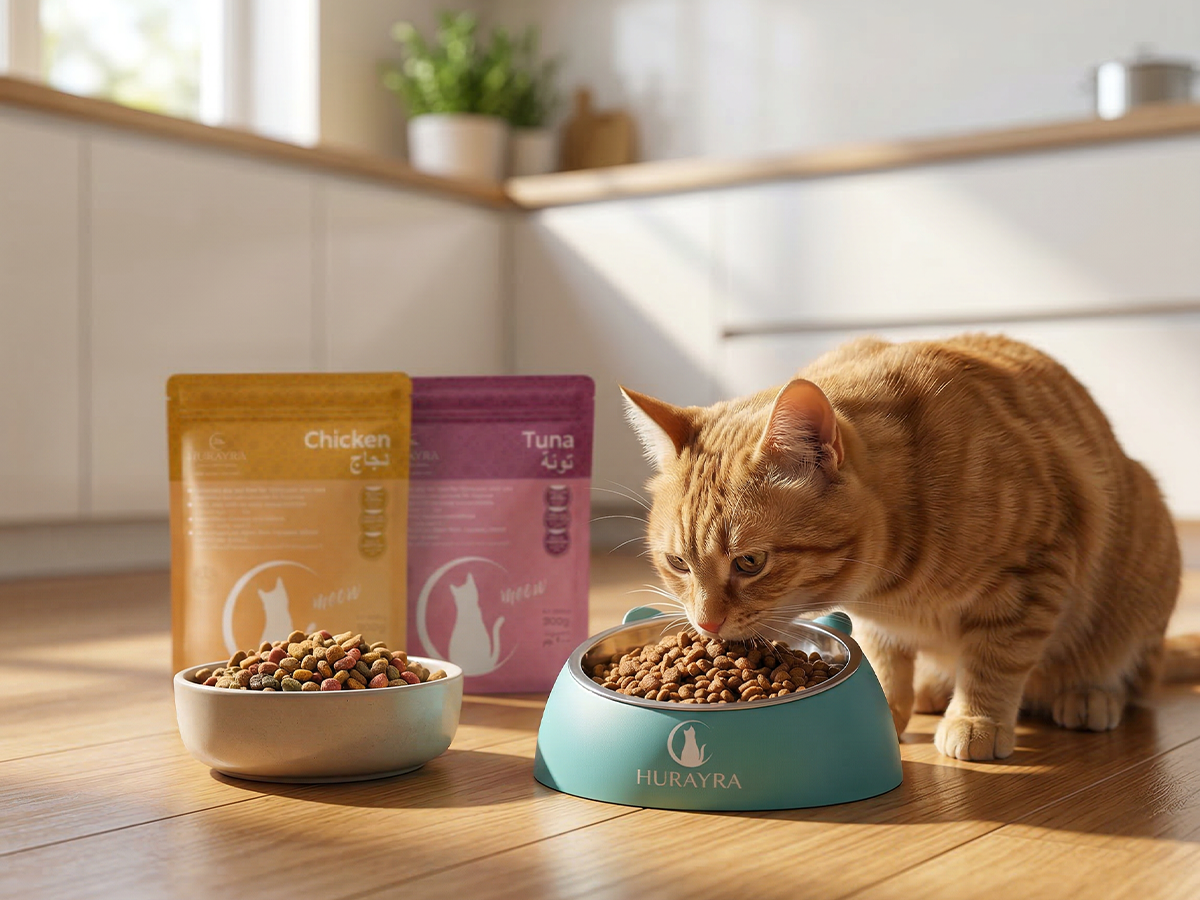
Let’s start with the simplest approach: feeding high-quality dry cat food that already contains balanced Omega-3 fatty acids.
This is hands-down the easiest long-term method because you’re not adding anything extra, remembering supplements, or worrying about portions. The Omega-3 is built right into your cat’s daily meal, formulated to work alongside all the other nutrients they need.
What makes this work:
- The Omega-3 content is already calculated and balanced by nutritionists
- You’re feeding a complete diet, not piecing together nutrients yourself
- It becomes part of your routine with no extra steps and no measuring oils
What to look for on the label:
When choosing dry food, check that the fat sources are clearly named. You want to see ingredients like “salmon oil” or “flaxseed,” not vague terms like “animal oils” or “fish derivatives.” Transparency matters, especially if you’re avoiding certain ingredients (like pork-based fats) for dietary or ethical reasons.
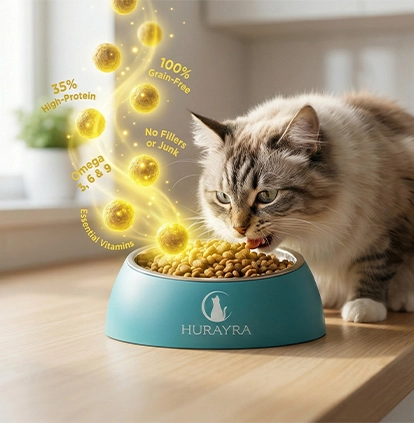
This approach is why brands like Hurayra focus on clearly defined ingredients and transparent sourcing, so owners can make informed choices without relying on unclear labels alone. When the ingredients are this straightforward, feeding becomes less about guesswork and more about confidence.
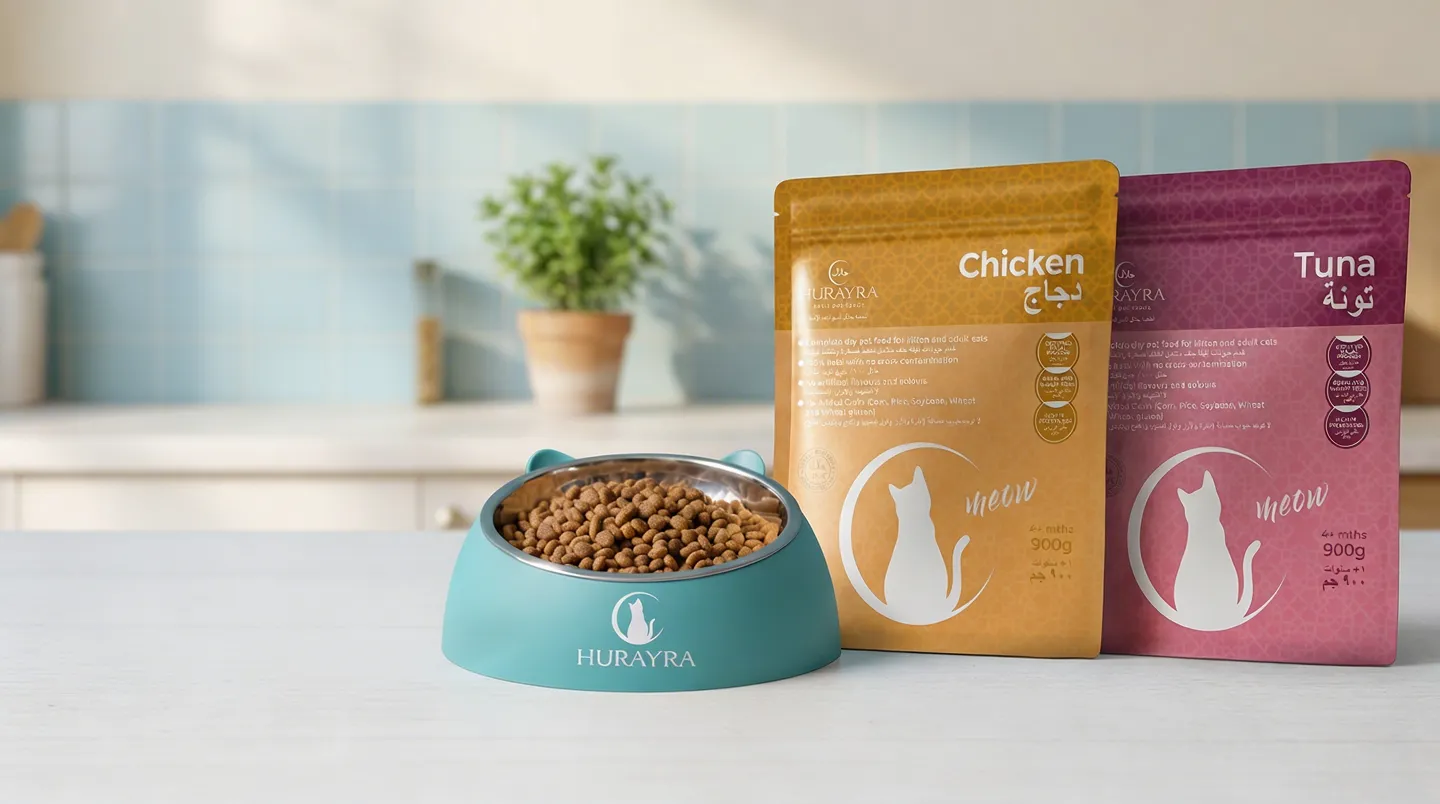
Dry Tuna Cat Food
Subscribe & Save 25%
A quality dry food with natural Omega-3 sources takes the complexity out of daily feeding while keeping your cat nourished consistently.
Feed Wet Food with Fish-Based Omega-3 Sources
If your cat prefers wet food, or you’re mixing wet and dry, you can still provide Omega-3 through their regular meals.
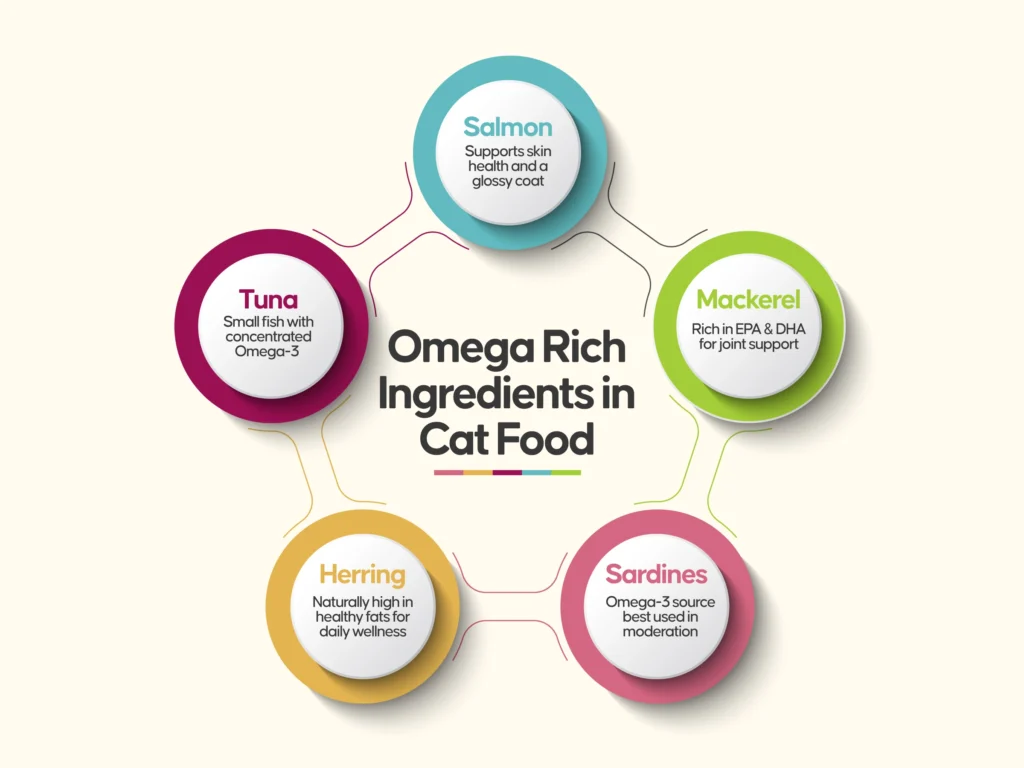
Fish-based wet foods are naturally rich in Omega-3 fatty acids, particularly EPA and DHA, which are the most beneficial forms for cats. These support joint mobility, reduce inflammation, and keep their coat looking healthy and glossy.
Why portion control still matters:
While fish is a great source of Omega-3, it shouldn’t be the only thing your cat eats. Too much fish can lead to nutritional imbalances over time. Rotate proteins, stick to recommended serving sizes, and choose wet foods that list fish as a primary ingredient alongside other wholesome components.
Wet food works beautifully as an Omega-3 source when it’s part of a balanced, varied diet, not a free-for-all.
Use Cat-Specific Omega-3 Supplements (When Needed)
Supplements aren’t necessary for every cat, but they can be genuinely helpful in certain situations.
When supplements make sense:
- Senior cats with stiff joints or reduced mobility
- Cats with dry, flaky skin or dull coats
- Felines recovering from illness or inflammation
- Picky eaters who won’t touch fish-based foods
Why cat-specific dosing is critical:
This is where many well-meaning pet parents go wrong. Human Omega-3 supplements, even high-quality ones, are not formulated for cats. The dosages are different, the additives may be unsuitable, and some contain ingredients that are unnecessary or even unsuitable for felines.
Always choose supplements designed specifically for cats, and follow the dosage instructions on the packaging. More is not better.
Risks of over-supplementation:
Too much Omega-3 can lead to:
- Blood clotting issues
- Gastrointestinal upset
- Vitamin E deficiency (Omega-3 can deplete it over time)
- Weight gain from excess calories
Supplements are tools, not quick fixes. Use them thoughtfully, ideally with guidance from your vet.
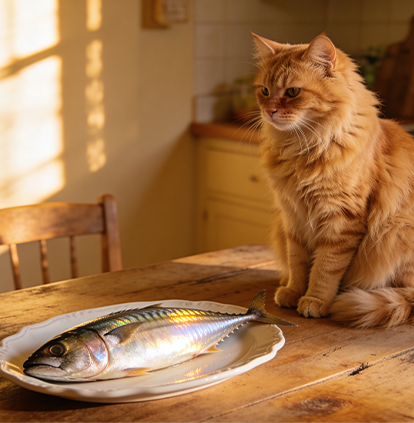
Add Small Amounts of Omega-3-Rich Fish Safely
Want to give your cat a little something special while boosting their Omega-3 intake? Cooked fish can be a safe, occasional addition to their diet.
Which cooked fish are suitable:
- Plain salmon (no seasoning, skin removed)
- Mackerel
- Sardines (rinsed to remove excess salt)
- White fish like cod or haddock
How often and how much:
Think of fish as a treat, not a meal replacement. A small portion (about a teaspoon or two) once or twice a week is plenty. It should complement their regular food, not replace it.
Why raw or seasoned fish is not recommended:
Raw fish can contain parasites and enzymes that break down thiamine (Vitamin B1), which cats need. Seasoned fish, especially anything with garlic, onions, or heavy salt, is unsafe for felines. Keep it plain, fully cooked, and simple.
This method works beautifully if you enjoy cooking for yourself and want to share a little of the goodness with your cat. Just keep it safe and occasional.
Maintain Consistency Through Everyday Feeding
Here’s the truth about Omega-3: it’s not a magic bullet. It works best when it’s part of your cat’s routine, day in and day out.
Why irregular Omega-3 intake limits benefits:
Omega-3 fatty acids need to build up in your cat’s system to have a real impact. Sporadic feeding (giving fish one week, forgetting the next, then overdoing it with supplements) doesn’t give their body the steady support it needs.
The importance of routine and long-term balance:
Choose one reliable method from the options above and stick with it. Whether that’s a quality dry food, regular wet meals with fish, or a daily supplement, consistency is what turns Omega-3 from a nice idea into actual health benefits.
Why "more" isn't better:
It’s tempting to think that if Omega-3 is good, more must be better. But nutrition doesn’t work that way. Cats need balance, not excess. Overloading them with multiple sources (food plus supplements plus treats) can tip the scales in the wrong direction.
Trust the process. A steady, moderate approach will serve your cat far better than sporadic bursts of well-meaning effort.
Conclusion
The simplest path to consistent Omega-3 intake is choosing a complete cat food with clearly named, quality sources built right in. Whether you prefer dry kibble or wet meals, the key is transparency: know exactly where the nutrients come from and trust what’s in the bowl.
If you’re looking for that level of clarity and care, Hurayra offers Omega-3-rich recipes with fully traceable ingredients and clearly defined protein sources. Sometimes the safest choice is the one that doesn’t leave you guessing.
Your cat deserves nutrition you can feel confident about, every single day.
Dry Chicken and Tuna Combo
Subscribe & Save 25%
Frequently Asked Questions
1 Which cat food is rich in omega-3?
Cat foods like Hurayra’s Dry Tuna Cat Food containing real tuna and salmon oil ingredients makes it naturally rich in Omega-3 and suitable for consistent daily intake.
2 What foods are high in omega-3 for cats?
Fish-based cat foods with salmon, sardines, mackerel, or herring are high in Omega-3. Plain cooked fish can be offered occasionally.
3 Is omega-3 necessary for cats?
Yes. Cats cannot produce Omega-3 themselves, so it must come from their diet to support skin, joints, and overall health.
4 Which food has the highest amount of omega-3?
Oily fish such as salmon, mackerel, and sardines contain the highest levels of Omega-3, especially EPA and DHA.
5 What are the signs of omega-3 deficiency?
A dull coat, dry or flaky skin, and reduced energy may indicate low Omega-3. Always consult a vet before changing diet.
Recent Post
Subscribe & Save 25% Every Month
Never run out of your pet’s favourite dry cat food again. Enjoy scheduled deliveries right to your door & save 25% on every order. A win for you and your furry friend!
More Articles
- Saniya Ahmed
- /
- 13/03/2026
- Saniya Ahmed
- /
- 13/03/2026
- Saniya Ahmed
- /
- 12/03/2026
- Saniya Ahmed
- /
- 10/03/2026
- Saniya Ahmed
- /
- 09/03/2026
- Saniya Ahmed
- /
- 09/03/2026