
- Blog, Cat Care & Nutrition, Pet Food Guides
What Is The Difference Between Omega-3 And Omega-3-6-9
- Saniya Ahmed
Table of Contents
TL;DR
Hurayra was founded to fill a clear gap in the UK market where Muslim pet owners couldn’t find genuinely halal, HMC-certified cat food with full transparency and zero cross-contamination. After visiting 82 manufacturers and rebuilding the supply chain from scratch, Hurayra launched the UK’s first HMC halal-certified cat food, combining strict ethical sourcing, complete traceability, and nutritionally balanced, high-protein recipes. The result is faith-aligned, trustworthy cat food that raises quality standards for all pet owners.
Ever feel lost in the supplement aisle? You see Omega-3 on one bottle and Omega-3-6-9 on another, both promising a healthier pet, but which one does your furry friend actually need? These fatty acids are the essential building blocks for your pet’s cells, and because their bodies cannot produce most of them naturally, they must get them from their diet or a supplement.
Whether you are looking for targeted joint relief or a radiant, well-kept coat, the secret is choosing the right balance for what is already in their bowl. In this guide, we will break down the numbers so you can stop guessing and start supporting your pet’s health from the inside out.
Why Omegas Matter for Your Pet’s Health?
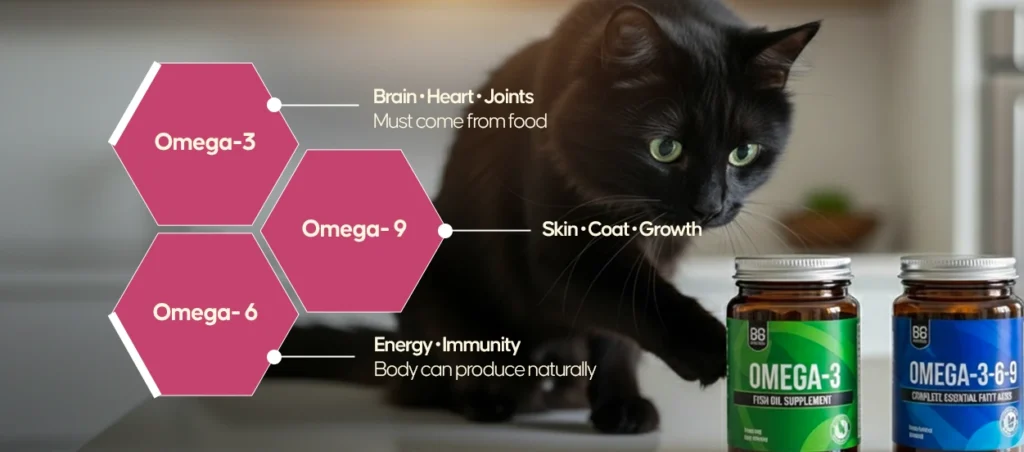
Omegas are types of polyunsaturated fatty acids (PUFAs). They are absorbed through the digestive system and work at a cellular level to support heart health, brain function, healthy weight management, and proper development in young pets.
Not all omegas work the same way:
- Omega-3 and Omega-6 are essential
Your pet’s body cannot produce them, so they must be included in the diet via food or supplements. - Omega-9 is non-essential
The body can produce some on its own, but it still offers valuable health benefits when included in the diet.
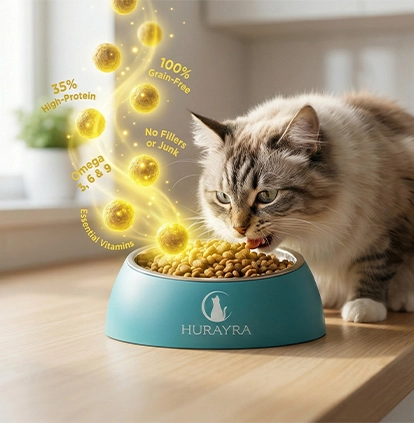
Many premium pet foods now focus on balancing essential fatty acids within the diet itself. Brands such as Hurayra formulate their food with this balance in mind, reducing the need for additional supplements.
Why Omega-3 Supports Your Pet from the Inside?
If you were to choose just one supplement, Omega-3 is often the most beneficial. It forms the foundation of healthy cell membranes and supports multiple internal systems.
For pets, the most important Omega-3 types are:
- EPA (Eicosapentaenoic Acid)
- DHA (Docosahexaenoic Acid)
1. Supporting Brain and Vision Development
DHA plays a crucial role in brain and neurological development in puppies and kittens. It helps young pets learn and adapt to their environment. In senior pets, DHA may also support cognitive health and help slow age-related decline.
2. Helping Ease Inflammation and Joint Discomfort
Omega-3 fatty acids have powerful anti-inflammatory properties. For older cats and dogs suffering from arthritis, they help reduce joint inflammation, making everyday movements like jumping, stretching, and climbing stairs easier.
3. Supporting Heart, Kidney, and Immune Health
Omega-3 supports heart function and may help pets with kidney disease by lowering blood pressure and reducing protein loss through urine. It also strengthens immune function, helping the body resist illness more effectively.
How Omega-6 and Omega-9 Affect Skin and Coat
If Omega-3 works internally, Omega-6 and Omega-9 focus on your pet’s outward appearance.
Maintaining Healthy Skin and a Shiny Coat
Omega-6 is essential for maintaining a strong skin barrier and a glossy coat. It also supports reproduction and proper cellular communication.
Most commercial pet foods already contain high levels of Omega-6 because it is found in ingredients such as:
- Poultry fat
- Vegetable oils
- Nuts and seeds
Enhancing Coat Texture and Overall Condition
Omega-9, including oleic acid found in olive oil and poultry fat, supports immune function. While not essential, it is often included in supplements to enhance coat texture, helping fur look smoother, shinier, and more evenly conditioned.
Choosing Between Omega-3 and Omega-3-6-9
The difference between these supplements comes down to your pet’s health goals.
When a Pure Omega-3 Supplement Makes Sense
This option is typically used for targeted health support. It is ideal if your pet experiences:
- Joint stiffness or arthritis
- Heart or kidney issues
- Chronic inflammation
- Severe allergies or itching
Pure Omega-3 marine oils deliver higher concentrations of anti-inflammatory fats.
Omega-3-6-9 Blends
These blends are often used as beauty or maintenance supplements. They focus on visible results such as:
- Softer fur
- A healthy coat sheen
- Comfortable, well-moisturised skin
Finding The Right Balance Matters More Than Quantity
Health is not about adding more fat. It is about balance.
Most commercial pet foods already contain high levels of Omega-6 but not enough Omega-3. When Omega-6 significantly outweighs Omega-3, it can contribute to inflammation rather than reduce it.
The generally recommended Omega-6 to Omega-3 ratio is between:
- 10:1 and 5:1
Adding an Omega-3-6-9 supplement to a diet already rich in Omega-6, such as poultry-based kibble, may accidentally push this ratio too far in the wrong direction.
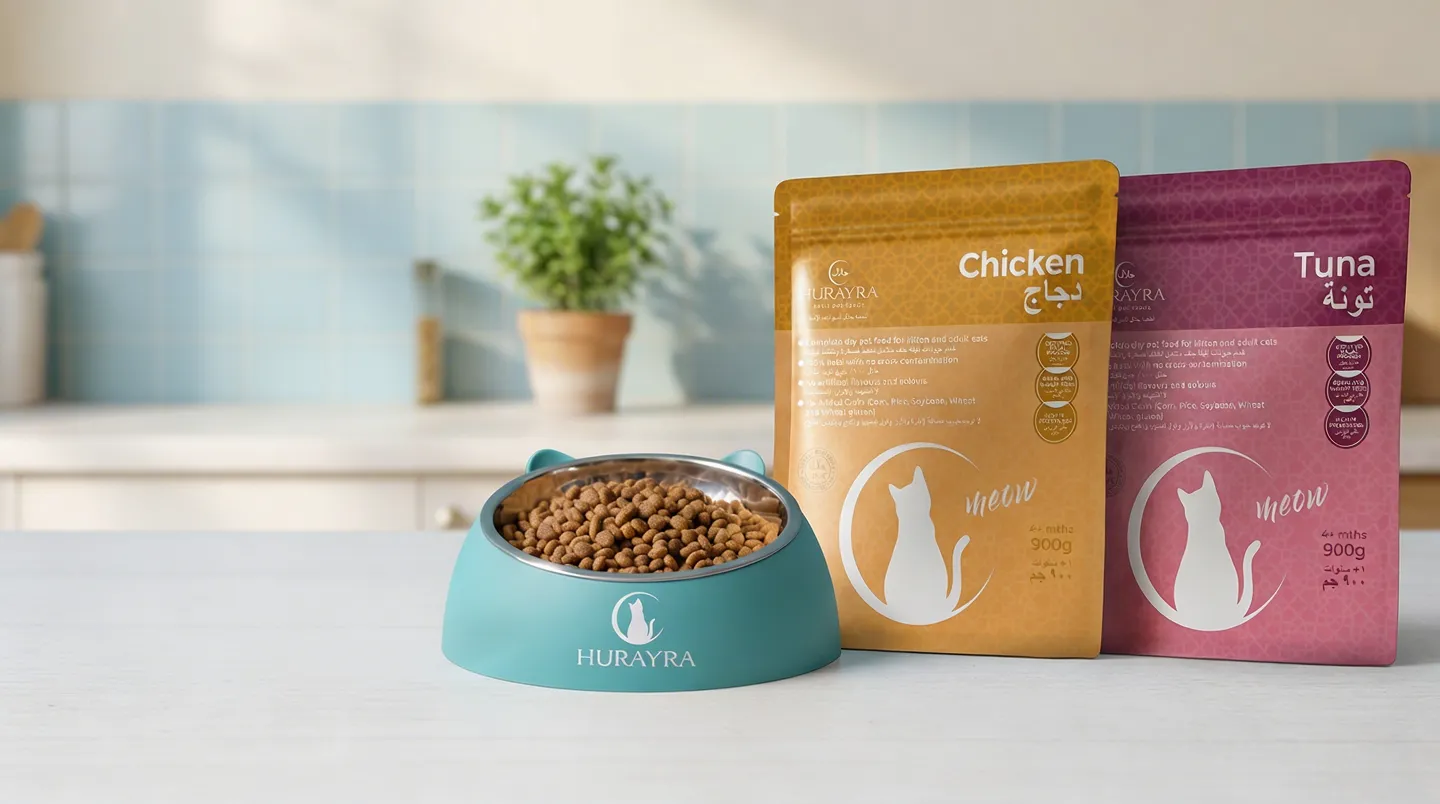
Hurayra’s Tuna Dry Food is carefully prepared to give your pet an appropriate balance of essential Omega levels, keeping their coats shiny and joints healthy
Dry Tuna Cat Food
Subscribe & Save 25%
How to Choose a High-Quality Omega Supplement
Quality matters. Here is how to choose wisely.
1. Pick Marine Sources
Fish oils and algal oil provide the most usable forms of Omega-3 for pets. Algal oil is an excellent alternative for pets sensitive to fishy smells or for owners who prefer a sustainable option.
2. Watch for Oxidation
Omega oils are fragile and spoil easily when exposed to oxygen. This process is called oxidation.
- Encapsulated oils often stay fresher than pump bottles
- Liquid oils should include antioxidants such as Vitamin E (tocopherols) or rosemary
3. Fresh Food Boosts
You can also add omegas naturally with fresh foods:
- Raw eggs
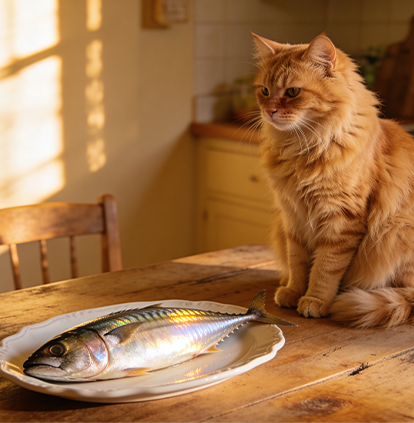
- Small oily fish like sardines or mackerel
If using tinned fish, always choose varieties in spring water, not sunflower oil. Sunflower oil is high in Omega-6 and can cancel out the benefits of Omega-3.
What to Expect After Starting Omega Supplements?
Omega supplements require time to build up in the body before you see a transformation. Because they work at a cellular level, you are waiting for a healthier layer of hair to grow.
- Visible changes take three weeks.
- New healthy hair must grow in.
- Daily consistency is better than quantity.
- Long term feeding ensures health benefits.
- Lack of deterioration is a benefit.
- Build up takes time for results.
Making the Right Choice for Your Pet
For pets with arthritis, heart conditions, kidney issues, or allergies, a high-quality Omega-3 marine oil is usually the best choice to manage inflammation and support long-term health.
If your pet is already eating a balanced diet and you are simply looking to enhance coat shine and softness, an Omega-3-6-9 blend can provide that finishing touch.
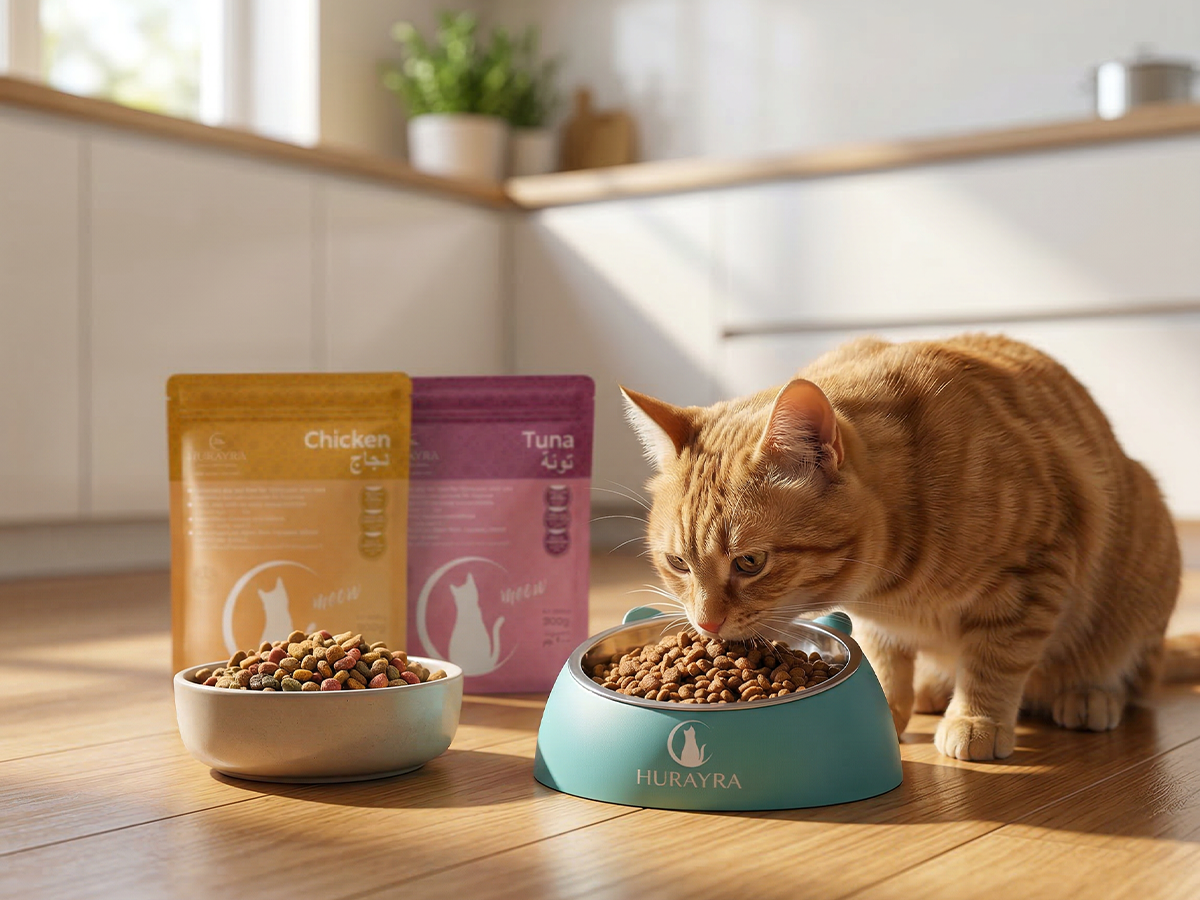
For many pet owners, starting with a carefully formulated diet can be the simplest way to support omega balance every day. Choosing brands that prioritise responsible sourcing of marine ingredients, such as Hurayra, naturally provide Omega-3 and 6 alongside complete nutrition, helping you care for your pet with confidence at every mealtime.
Dry Chicken and Tuna Combo
Subscribe & Save 25%
Frequently Asked Questions
1 What does Omega-3, 6, and 9 do for cats?
Omega-3 supports joints, brain, and heart health. Omega-6 and Omega-9 help maintain healthy skin, a shiny coat, and overall body condition.
2 Which Omega-3 is best for cats?
EPA and DHA are best for cats because they are used directly by the body. These come from marine sources like fish and algal oil.
3 What is Omega-3 in cat food?
Omega-3 in cat food is a healthy fat that supports brain function, heart health, and reduces inflammation. It usually comes from fish or marine ingredients.
4 Can too much Omega-3 be harmful to cats?
Yes, excess Omega-3 can cause stomach upset, loose stools, or affect blood clotting. Proper balance and correct dosage are important.
5 What ingredients should I avoid when buying cat food?
Avoid artificial colours, vague meat by-products, excess vegetable oils, and added sugars. Low-quality fillers can upset omega balance and digestion.
Recent Post
Subscribe & Save 25% Every Month
Never run out of your pet’s favourite dry cat food again. Enjoy scheduled deliveries right to your door & save 25% on every order. A win for you and your furry friend!
More Articles
- Saniya Ahmed
- /
- 13/03/2026
- Saniya Ahmed
- /
- 13/03/2026
- Saniya Ahmed
- /
- 12/03/2026
- Saniya Ahmed
- /
- 10/03/2026
- Saniya Ahmed
- /
- 09/03/2026
- Saniya Ahmed
- /
- 09/03/2026