
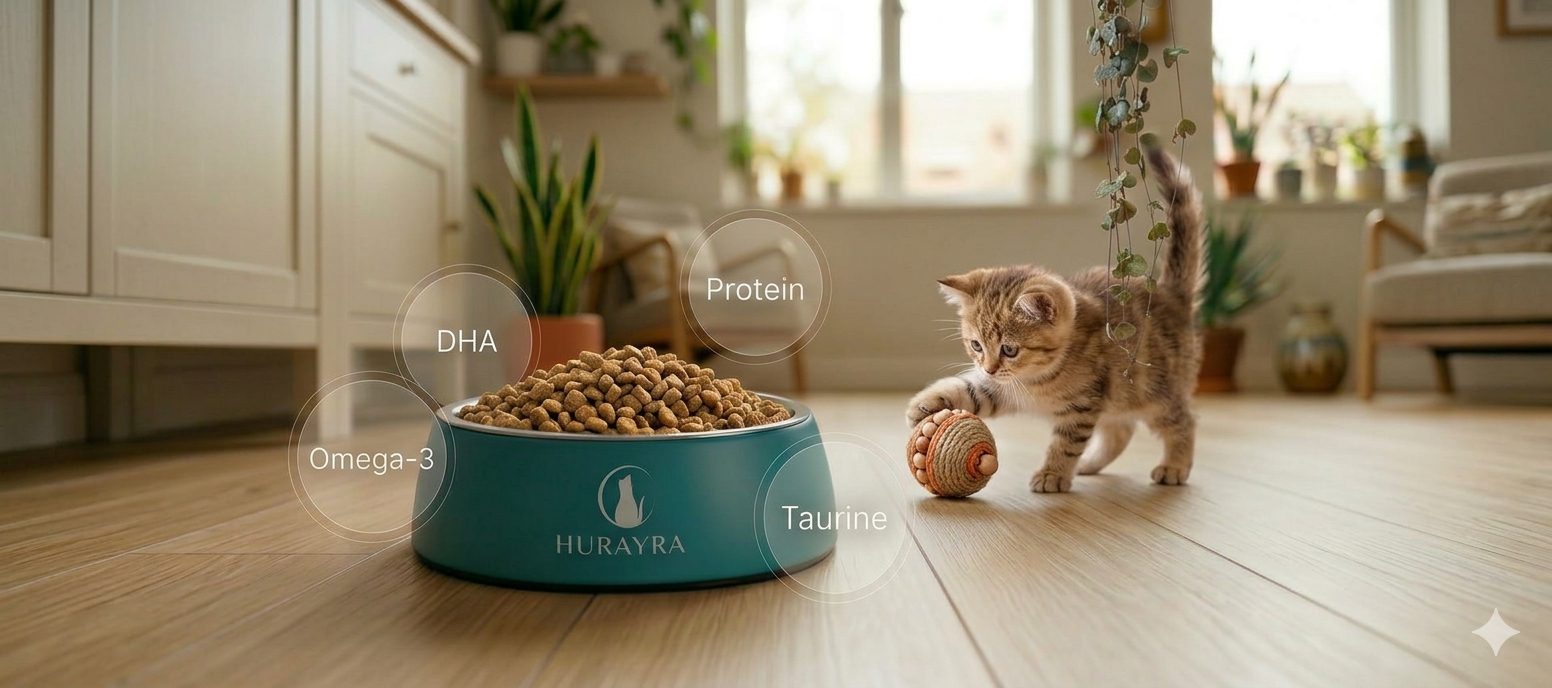
- Cat Health, Cat Nutrition, Pet Food Guides
Omega-3 for Kittens: Why DHA Matters for Brain Development?
- uzma
Table of Contents
TL;DR
DHA, an omega-3 fatty acid from marine sources, is essential for a kitten’s brain and eye development in the first six months, and cats can’t produce it themselves. Choose kitten food with named marine ingredients in the first three, and don’t rely on grain-free claims alone.
Omega Fatty Acids for Kittens and Why DHA Matters for Brain Development
A kitten’s first six months are not simply growth. They are construction. The brain, retina, and nervous system are being built, cell by cell, and the raw materials for that process have to come from food.
Most cat owners understand that kittens need protein and calories. Fewer understand that omega fatty acids, specifically DHA, are equally important during this period. A deficiency during development cannot simply be corrected later, the window matters.
This article explains what omega for kittens actually does, why DHA is the compound to focus on, and how to choose a food that genuinely supports healthy neurological development. You will also find practical guidance on reading ingredient labels and avoiding common misconceptions about grain-free and halal formulations.
Why Kittens Need Omega Fatty Acids
Omega fatty acids fall into two main families: omega-3 and omega-6. Both are essential, and neither is produced by a cat’s body in sufficient quantities. They must come from a diet.
Omega-6 fatty acids, found in animal fats and plant oils, support skin integrity, immune response, and coat condition. Omega-3 fatty acids, found primarily in marine sources, are anti-inflammatory and critical for brain and eye development. The balance between the two is as important as the presence of either.
A diet very high in omega-6 relative to omega-3 can suppress the biological benefits of omega-3, even when omega-3 is present. FEDIAF, the European Pet Food Industry Federation whose guidelines underpin responsible formulation across the UK market, recommends a considered omega-6 to omega-3 ratio. For kittens specifically, the omega-3 family member that carries the most developmental weight is DHA.
What DHA Does in a Developing Kitten
DHA (docosahexaenoic acid) is a long-chain omega-3 fatty acid that makes up a significant portion of the brain’s grey matter. It is also the dominant fatty acid in the retina, incorporated directly into cell membranes as both the brain and the eyes are built. During the first months of life, this structural work is happening rapidly and continuously.
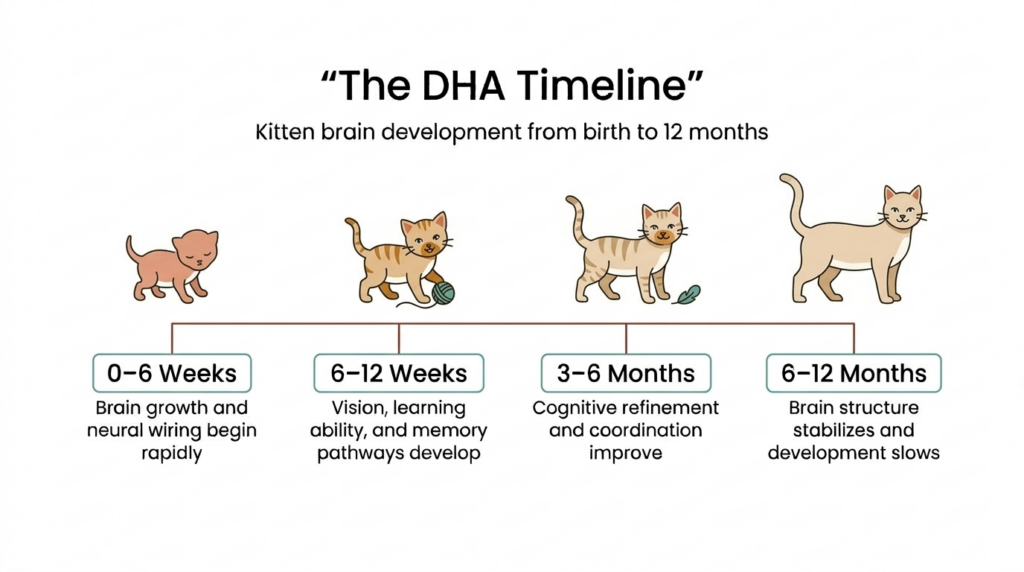
Research in veterinary nutrition has consistently found that kittens fed DHA-supplemented diets perform better on learning and problem-solving tasks than those on DHA-deficient diets. The visual development findings are equally clear:
DHA availability during the early weeks affects retinal resolution and responsiveness in ways that persist into adulthood. These are not subtle differences at the margins, they reflect the direct biological role DHA plays in construction, not maintenance.
Cats cannot convert short-chain omega-3 (ALA, found in plant sources like flaxseed) to DHA efficiently. This is not a flaw in feline physiology; it reflects the fact that cats evolved as obligate carnivores, obtaining pre-formed DHA from prey tissue.
The practical implication is straightforward: DHA in kitten food must come from animal-derived marine sources, not plant-based alternatives.
Reading an Ingredient Label for Omega 3 Kitten Nutrition
The ingredient list and the guaranteed analysis are the two places to start when evaluating any food for omega 3 kitten content. Ingredient lists are ordered by weight before processing, so the first three entries tell you what the formulation is built around. If a named protein source appears first, the food is leading with animal-derived nutrition.
Named marine ingredients are the clearest signal of pre-formed DHA. Salmon, mackerel, herring, sardine, and fish oil all supply DHA in a form cats can use directly. If none of these appear in the first several ingredients, the food’s omega-3 content is likely limited regardless of other claims on the packaging.
Some brands publish EPA and DHA values in their guaranteed analysis, a level of transparency worth noting. FEDIAF references a minimum DHA level of 0.05% of dry matter for kitten growth formulations. Not all brands list this figure, but those that do demonstrate genuine nutritional accountability.
The Grain-Free Question in Kitten Nutrition
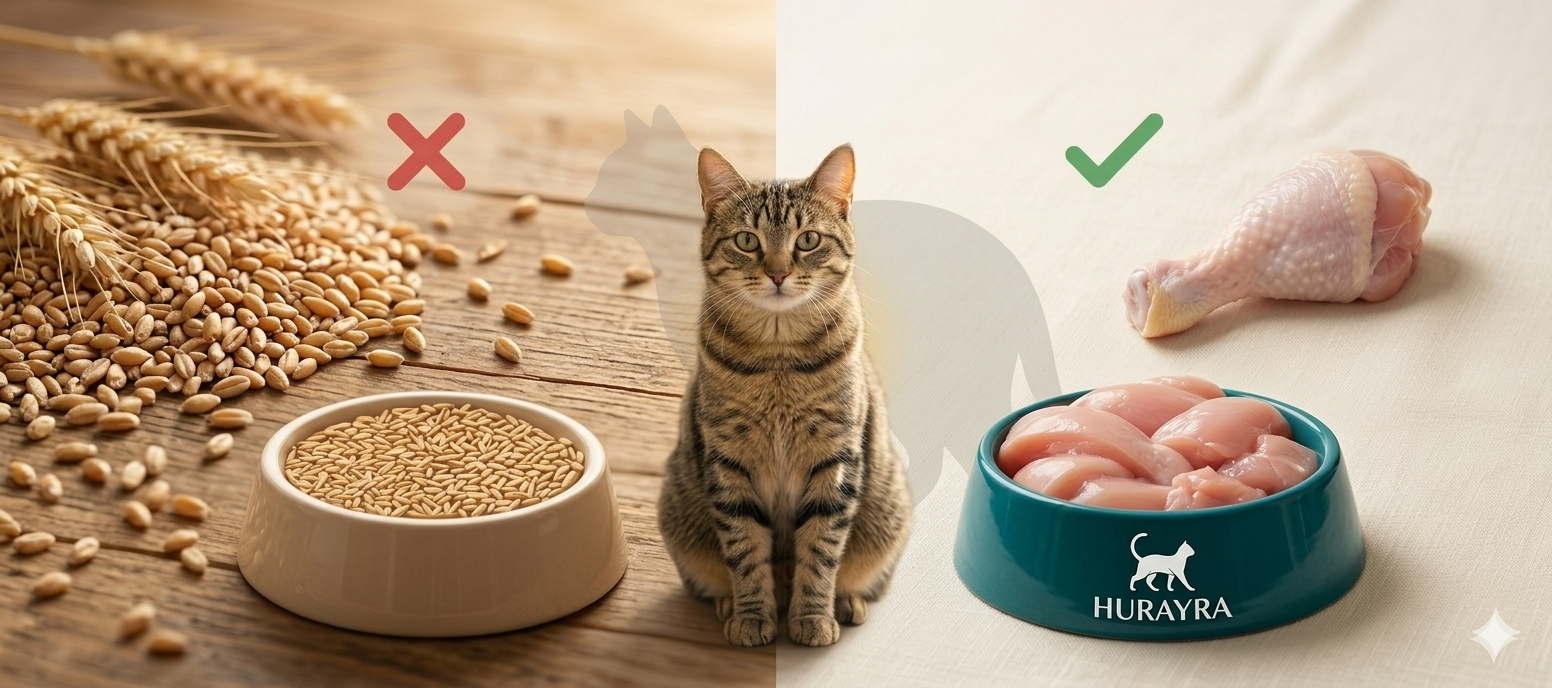
Grain-free pet food has become standard across the premium sector, and for most kittens it is a sensible formulation choice. Cats have limited amylase activity, the enzyme responsible for digesting starch, and do not require carbohydrates as an energy source. Removing grains in favour of higher meat content better reflects feline digestive biology.
That said, grain-free is not a universal guarantee of nutritional quality. A grain-free food built around chicken alone, with no marine ingredient, may have very limited omega-3 content. Grain-free formulation addresses ingredient suitability for cats; it says nothing about fatty acid balance, and these are separate considerations.
The relevant question is not whether a food is grain-free, but what it contains instead. A well-formulated grain-free kitten food leads with named protein, includes a marine-sourced omega-3 ingredient, and meets the nutritional profiles established by FEDIAF for growth and reproduction. The label claim is a starting point, not a conclusion.
Halal Certification and Ingredient Traceability
HMC (Halal Monitoring Committee) certification, which Hurayra holds, is primarily a traceability and sourcing standard. It requires full chain-of-custody documentation for animal-derived ingredients, verification of slaughter methods, and ongoing independent audit. For pet food, this means genuine visibility into where the protein comes from and how it was processed.
This level of transparency is relevant regardless of religious observance. Single-source protein and documented traceability reduce the ambiguity of terms like “meat meal” or “poultry derivatives,” allowing a brand to state specifically what is in the product and why it is there. Ingredient clarity of this kind is a reasonable expectation from any premium formulation.
Halal certification for pet food does not make it nutritionally superior. It does not change the omega-3 content, the protein percentage, or the amino acid profile. What it provides is confidence in the sourcing integrity of the ingredients listed on the label, and that confidence is worth something to owners who take ingredient quality seriously.
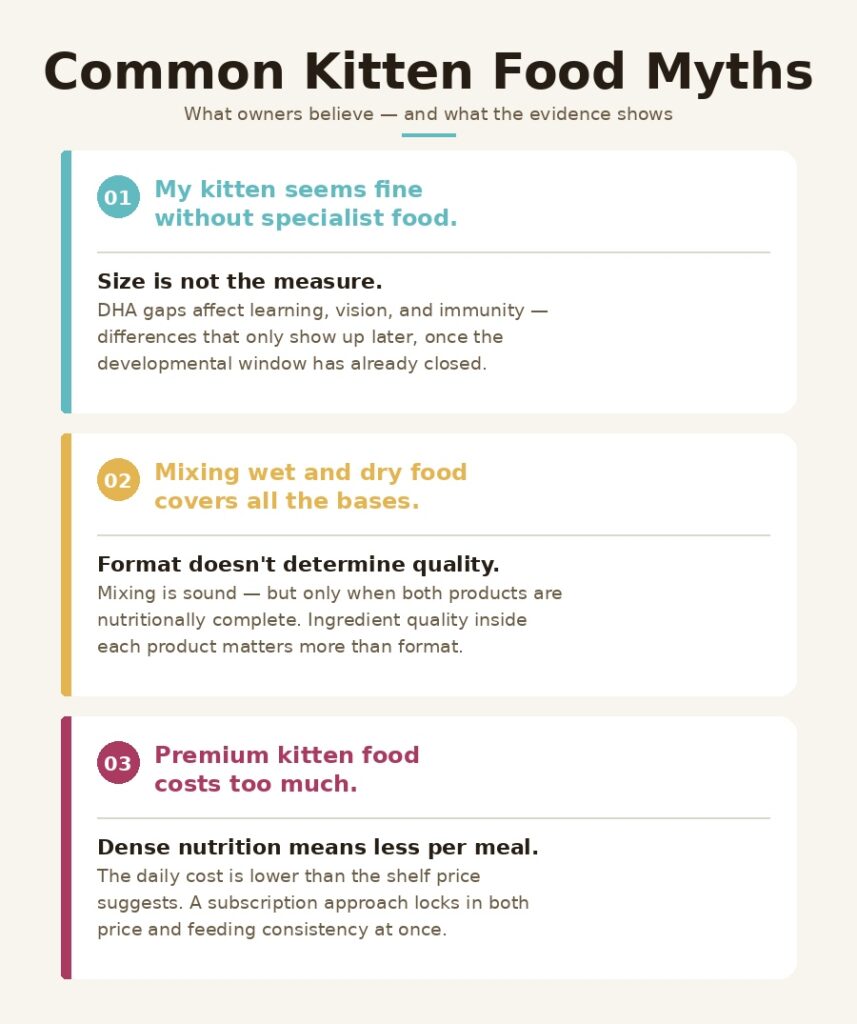
How Hurayra Approaches Kitten Omega Nutrition
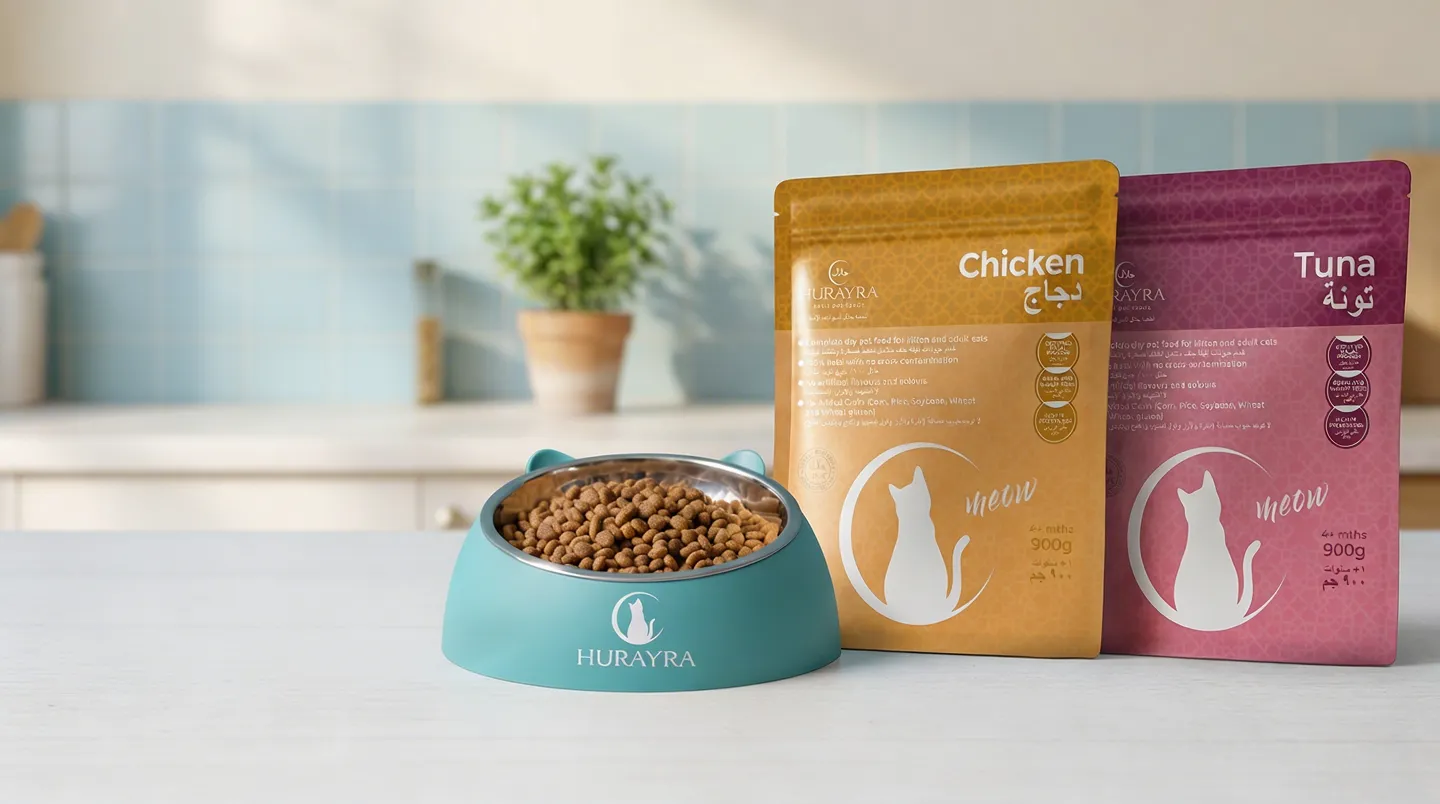
Hurayra’s formulations are built around a clean source named protein with HMC-certified ingredient traceability throughout the supply chain. The grain-free approach is a deliberate nutritional decision, not a marketing position, it removes non-essential carbohydrate load so more of the caloric content comes from animal-derived sources. Marine ingredients provide pre-formed DHA in the form kittens can use directly.
The brand is available through Morrisons, making it accessible without relying on specialist retailers alone. Subscription options support the feeding consistency that matters most during development, with less disruption to routine and supply. For owners who take kitten nutrition seriously, Hurayra is formulated to meet that standard without compromise.
Key Takeaway
DHA is not optional for kittens. It is a structural component of the developing brain and retina, and the period in which it is needed cannot be revisited. The source matters as much as the presence, cats require pre-formed omega-3 from marine ingredients, not plant-derived precursors.
When choosing kitten food, check the first three ingredients, look for named marine protein or fish oil, and verify the product meets FEDIAF nutritional standards for growth. Grain-free is appropriate for most kittens, but evaluate it on ingredient content, not the label claim alone.
Hurayra’s grain-free, single-source protein recipes are formulated around exactly these principles, with HMC-certified traceability, named marine ingredients, and no fillers displacing the nutrition kittens actually need. If you are reviewing your kitten’s current food or starting from scratch, browse the range at Hurayra Pet Foods available online with a Subscribe & Save option, and in Morrisons stores across the UK.
Feed consistently, prioritise sourcing transparency, and choose a formulation built for how cats actually work.
Tuna and Chicken Combo
Subscribe & Save 25%
Frequently Asked Questions
1 What is the best source of omega 3 for kittens?
Raw chicken carries bacterial risks including Salmonella and Campylobacter. It can be fed as part of a properly formulated raw diet under veterinary guidance, but it should not be offered casually or as a substitute for complete cat food.
2 How much DHA does a kitten need?
Yes, but kittens have distinct nutritional requirements including higher protein, calcium, and phosphorus levels. Any chicken-based food for a kitten should be specifically formulated for growth or labelled “all life stages.
3 Does omega 3 in kitten food actually affect brain development?
Cats develop strong flavour preferences early. If your cat consistently refuses non-chicken options, it may reflect a learned preference rather than a medical need. Gradual transitions are more effective than abrupt changes.
4 Is grain-free kitten food higher in omega 3?
Not automatically. What it provides is supply chain transparency. A certified product has been independently audited, with a documented record of ingredient sourcing and processing. HMC certification is among the more thorough available in the UK market.
5 Can I mix wet and dry kitten food safely?
Both are animal proteins with strong nutritional profiles. Chicken provides a leaner macronutrient balance; fish offers omega-3 fatty acids particularly beneficial for coat and skin health. Neither is universally superior. Single-source formulations of either, when complete and balanced, are appropriate for long-term feeding.
6 What does HMC certification mean for kitten food ingredients?
Chicken itself does not cause urinary problems. However, dry food-heavy diets regardless of protein source can contribute to concentrated urine. Combining any dry food with wet food or a water fountain improves hydration and reduces urinary tract risk.
Recent Post
Subscribe & Save 25% Every Month
Never run out of your pet’s favourite dry cat food again. Enjoy scheduled deliveries right to your door & save 25% on every order. A win for you and your furry friend!
More Articles
- uzma
- /
- 17/03/2026
- uzma
- /
- 16/03/2026
- Saniya Ahmed
- /
- 14/03/2026
- Saniya Ahmed
- /
- 13/03/2026
- Saniya Ahmed
- /
- 13/03/2026
- Saniya Ahmed
- /
- 12/03/2026