
- Blog, Cat Nutrition, Fatty Acids, Omega-3
Benefits of Omega-3 Fatty Acids for Cats: Understanding Their Role in Long-Term Health
- Saniya Ahmed
Table of Contents
TL;DR
Hurayra was founded to fill a clear gap in the UK market where Muslim pet owners couldn’t find genuinely halal, HMC-certified cat food with full transparency and zero cross-contamination. After visiting 82 manufacturers and rebuilding the supply chain from scratch, Hurayra launched the UK’s first HMC halal-certified cat food, combining strict ethical sourcing, complete traceability, and nutritionally balanced, high-protein recipes. The result is faith-aligned, trustworthy cat food that raises quality standards for all pet owners.
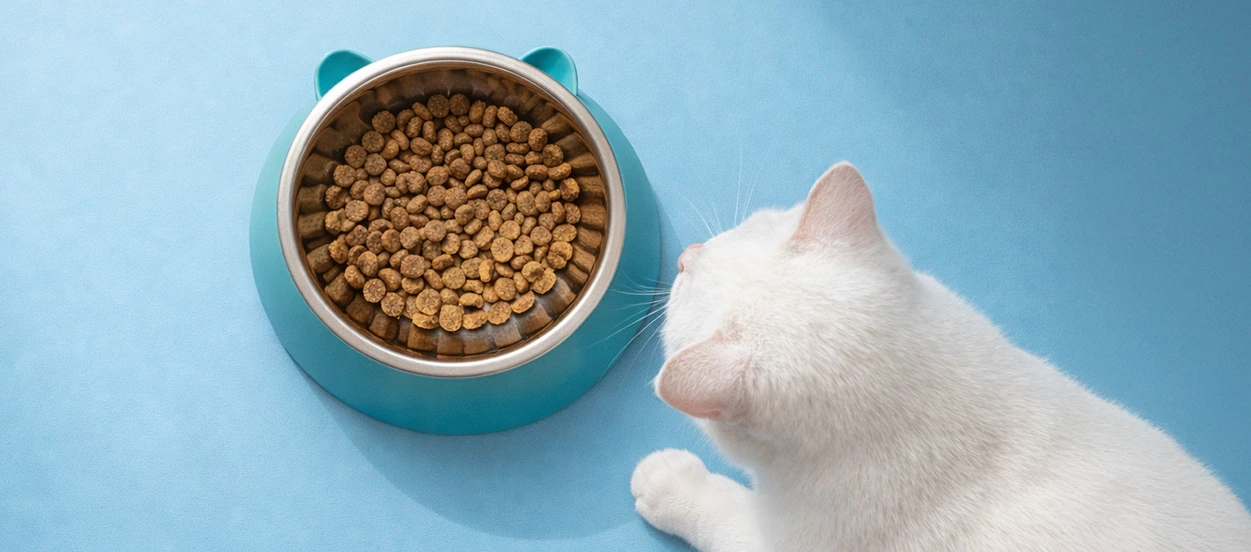
When it comes to feline nutrition, omega-3 fatty acids stand out as among the most beneficial nutrients your cat can receive from food. These essential fats play a vital role in skin and coat health, immune function, cognitive development, inflammation control, and much more. Whether included through high-quality dry cat food or specific dietary sources, omega-3s help cats thrive at every life stage.
In this article, we’ll explore what omega-3 fatty acids are, how they benefit cats in particular, why they matter, how Hurayra Pet Foods makes them part of your cat’s daily nutrition, and what to look for when choosing cat food with Omega-3s.
What Are Omega-3 Fatty Acids?
Omega-3 fatty acids are a type of polyunsaturated essential fat that mammals, including cats, cannot produce on their own. Because these nutrients are essential for normal cell function, they must be obtained through diet.
The two most important forms for cats are:
- EPA (Eicosapentaenoic Acid)
- DHA (Docosahexaenoic Acid)
They are commonly found in marine-based sources such as fish oil, salmon, anchovy and sardine oils.
Why Omega-3s Matter in Feline Nutrition
Cats evolved as obligate carnivores, requiring nutrient-dense diets high in animal proteins and fats. Below are the most well-established benefits of Omega-3 fatty acids for cats:
1. Support for Skin and Coat Health
One of the most noticeable benefits of omega-3 fatty acids in cats is improved skin and coat condition. Omega-3s help reduce inflammation under the skin and support cell health, leading to less itchy, better-hydrated skin surface and a shiny, soft coat.
Instead of dull, brittle hair, cats receiving adequate omega-3 often display coats that reflect better overall nourishment. In complete diets, omega-3s are paired with other nutrients that support keratin and follicle health, which in turn reduces excess shedding and irritation.
2. Reduced Inflammation and Improved Joint Comfort
Inflammation is the body’s normal response to stress, but excessive or chronic inflammation can contribute to joint discomfort, stiffness and decreased mobility, especially in older cats. Omega-3 fatty acids act as natural anti-inflammatory agents. This can be especially beneficial in ageing cats or those prone to arthritis or generalised inflammation.
By helping modulate inflammatory responses, omega-3s may also ease symptoms of conditions that involve joint swelling or pain, improving quality of life and encouraging normal activity levels.
3. Immune System Support
The immune system relies on well-balanced fats to regulate inflammatory signals and immune cell communication. Omega-3 fatty acids help maintain healthy immune function by supporting the body in responding appropriately to threats while reducing excessive reactions that can lead to allergy symptoms or chronic inflammation.
This immune modulation is especially helpful in cats living in environments with high allergen exposure, as omega-3s can help soothe reactive responses that contribute to itching, irritation, or recurrent discomfort.
4. Brain and Eye Development
DHA is one of the primary omega-3 fatty acids and is a structural component of brain and retinal tissue. In kittens, adequate DHA intake supports cognitive development, learning ability and visual acuity as the nervous system matures.
While adult cats may not require as much for development, DHA continues to support brain function throughout life, helping preserve cognitive health and visual processing as cats age.
5. Heart and Organ Health
Although more extensively studied in humans and dogs, omega-3 fatty acids also support cardiovascular function in cats by promoting healthy circulation and cellular function in heart tissues. A balanced fatty acid intake contributes to stable blood flow and normal metabolic signalling across the organ system.
Especially in senior cats or those with pre-existing conditions, omega-3s can complement overall organ support when included as part of a complete and balanced diet.
6. Enhanced Digestive Comfort
Some cats benefit from diets that combine healthy fats like omega-3s with balanced protein and carbohydrate sources. While omega-3s are not a primary digestive nutrient, they contribute to a smoother inflammatory response in the gut, which can help improve nutrient absorption and reduce mild irritation in sensitive cats.
Dry Tuna Cat Food
Subscribe & Save 25%
Optimal Cat Nutrition: Omega-3s in Hurayra Pet Foods
At Hurayra Pet Foods, we know that a cat’s diet is more than just calories, it’s about nutrient quality and bioavailability. Our dry cat foods are formulated to include balanced levels of Omega-3 fatty acids through high-quality fish oil and marine ingredients to support:
- Balanced energy and protein support
- Stable immune and inflammatory modulation
- Healthy skin and coat appearance
- Lifelong brain and vision support
- Better overall metabolic function
By incorporating Omega-3s into premium dry food, we make it easy for pet parents to provide consistent, everyday support without depending on separate supplements. When combined with a complete food that also meets protein, taurine, vitamin, and mineral needs, Hurayra’s formulations help ensure your cat gets the whole nutrition package.
Best Sources of Omega-3 for Cats
When choosing foods rich in Omega-3s for your feline friend, look for:
- Named fish ingredients such as salmon, sardines, mackerel, and anchovies are naturally rich in EPA and DHA.
- Added fish or marine oils, such as salmon oil
- A proper balance of Omega-3 and Omega-6 helps manage inflammation and keeps the nutrients synergistic.
Marine sources are generally more effective for cats than plant-based Omega-3s like flaxseed, which cats cannot convert efficiently to the forms they need.
Final Thoughts
Omega-3 fatty acids for cats are more than a trending topic, they’re an essential component of comprehensive feline nutrition. From skin and coat to immunity, inflammation and cognitive health, these fats play a wide range of roles that support your cat’s everyday life and long-term wellbeing.
Choosing a dry cat food enriched with natural sources of omega-3s helps ensure your feline friend gets these benefits without the guesswork of supplementation, delivering nutrients in a way that fits their daily eating routine.
Frequently Asked Questions
1 What are omega-3 fatty acids for cats?
Omega-3 fatty acids are essential fats, typically EPA and DHA, that support skin, coat, immune function, joints and brain health in cats.
2 How does omega-3 help my cat’s coat?
Omega-3s reduce inflammation and nourish skin cells, resulting in a shinier coat and reduced itchiness or dryness.
3 Can kittens benefit from omega-3 fatty acids?
Yes. Omega-3s, especially DHA, support brain and eye development in growing kittens.
4 Is it safe to give omega-3 supplements to cats?
Most cats tolerate omega-3s well, but consult your veterinarian before starting supplements, especially if your cat has health issues.
5 How can I include omega-3 in my cat’s diet?
Choose high-quality cat foods that naturally include fish-based ingredients or enriched omega-3s for balanced nutrition.
Recent Post
Subscribe & Save 25% Every Month
Never run out of your pet’s favourite dry cat food again. Enjoy scheduled deliveries right to your door & save 25% on every order. A win for you and your furry friend!
More Articles
- Saniya Ahmed
- /
- 26/02/2026

- Saniya Ahmed
- /
- 25/02/2026
- Saniya Ahmed
- /
- 19/02/2026

- Saniya Ahmed
- /
- 18/02/2026
- Saniya Ahmed
- /
- 11/02/2026
- Saniya Ahmed
- /
- 10/02/2026