
- Blog, Cat Care & Nutrition, Pet Food Guides
How to Store Cat Food Properly to Keep It Fresh
- Saniya Ahmed
Table of Contents
TL;DR
Hurayra was founded to fill a clear gap in the UK market where Muslim pet owners couldn’t find genuinely halal, HMC-certified cat food with full transparency and zero cross-contamination. After visiting 82 manufacturers and rebuilding the supply chain from scratch, Hurayra launched the UK’s first HMC halal-certified cat food, combining strict ethical sourcing, complete traceability, and nutritionally balanced, high-protein recipes. The result is faith-aligned, trustworthy cat food that raises quality standards for all pet owners.
Freshness rarely disappears all at once. It shifts quietly, often in ways that are easy to overlook. A smell that feels slightly different. A texture that no longer breaks the same way. These changes tend to start long before food looks unusable.
From the first scoop of dry cat food to the last pouch in the box, the way you store it influences freshness, texture, and how willingly it gets finished. Food responds to its surroundings. Air, heat, and moisture influence consistency long after the bag or pouch has been opened.
Why Proper Storage For Dry Cat Food Matters
Storage choices shape how long the food lasts over time. Dry cat food is designed to be stable, but it is not immune to its environment. Exposure to air dulls aroma. Warmth affects fats. Moisture alters texture. Dry food is especially sensitive to air and moisture once opened, as exposure can gradually degrade fats and reduce freshness over time.
These changes happen gradually. One on its own may go unnoticed. Together, they influence how food smells, feels, and holds together in the bowl. Proper storage helps slow this process, keeping meals familiar from the first scoop to the last. Proper storage matters even more for foods made with higher-quality ingredients, where freshness and fat stability play a bigger role in overall quality.
Where to Store Cat Food at Home
Once storage is considered, location becomes the next big question. The best place to store cat food is somewhere cool, dry, and consistent. Stability matters more than convenience, especially over longer periods.
Cupboards away from ovens, radiators, or windows tend to work well. These spaces protect cat dry food from temperature swings and excess humidity, both of which accelerate the gradual decline of the quality. When food stays in a stable environment, changes happen more slowly, helping meals remain predictable and consistent over time. Brands like Hurayra that prioritise ingredient sourcing and quality also tend to emphasise proper sealing and storage to help maintain freshness after opening.
Places That Seem Fine but Cause Slow Decline
Some storage spots appear practical but work against freshness over time. Areas near sinks or appliances trap warmth and moisture. Garages and utility rooms often fluctuate with the atmosphere.
Storing Dry Cat Food the Right Way
Finding a storage space is clearly not enough, how you store it also plays a role in the longevity of the food’s quality. Storing dry cat food properly begins the moment a bag is opened. From that point on, exposure adds up gradually, even when it isn’t obvious.
Reducing unnecessary exposure helps protect fats and proteins that are more sensitive to air, which is especially important in foods that rely on natural ingredients recipes including 35% protein rather than heavy processing.
Resealing the bag helps, but it does not recreate the barrier used during packaging. What matters most is consistency. Closing the bag fully after each use and limiting how long it stays open helps keep conditions steady between meals.
Should You Keep Dry Cat Food in the Original Bag?
The original bag is designed to protect the food, provided it can be sealed securely. In many cases, placing the sealed bag inside an airtight container offers a practical balance between protection and ease of use.
When bags are loosely folded or clipped, air continues to circulate. Over time, this affects how long cat dry food holds its freshness once opened, even if the food still looks unchanged.
Best Containers for Storing Cat Food
Once the role of air and moisture is understood, the question becomes more practical: which container actually works well in day-to-day use. The best container to store dry cat food is one that fits your routine as much as your space.
Food-grade plastic, metal, and glass containers can all be suitable when they close securely. What often makes the difference is size and design. Containers that are too large create unnecessary headspace, while narrow openings make regular access awkward and increase how long food is exposed during use. A container that opens and closes easily encourages consistent handling, which matters more than the material alone.
How to Use Containers Without Losing Important Information
When food is transferred into a container, the original packaging still serves a purpose. Keeping it makes it easy to reference batch numbers, best-before dates, and feeding guidance.
This small step maintains traceability and clarity while still allowing food to be stored securely and consistently.
How Long Dry Cat Food Stays Fresh Once Opened
Dry cat food can remain usable for several weeks after opening, but freshness depends heavily on storage conditions. Heat, humidity, and air exposure shorten this window, even when food appears fine at a glance.
Best-before dates refer to safety, not peak condition. Food may still be safe to eat while no longer offering the same aroma or texture it had earlier, which is why storage habits matter long after opening.
Signs Dry Cat Food May Have Lost Freshness
Loss of freshness is rarely dramatic. Changes tend to appear quietly and build over time. Here are some noticeable signs that may appear:
- A flatter or less distinct smell than before
- A slightly oily or greasy feel on the surface
- Kibble that crumbles or breaks more easily than expected
These signs don’t always indicate spoilage, but they do suggest that storage conditions may need adjusting. Paying attention to small cues like these helps guide better handling over time.
What About Freeze Dried Cat Food?
Freeze dried cat food behaves differently from standard dry food. Because moisture has already been removed, it is especially sensitive to humidity once opened.
Airtight storage is essential. Even brief exposure to moisture can affect texture and how well the food rehydrates. Keeping freeze dried food sealed between uses helps maintain its intended structure and consistency.
How to Store Cat Food Pouches
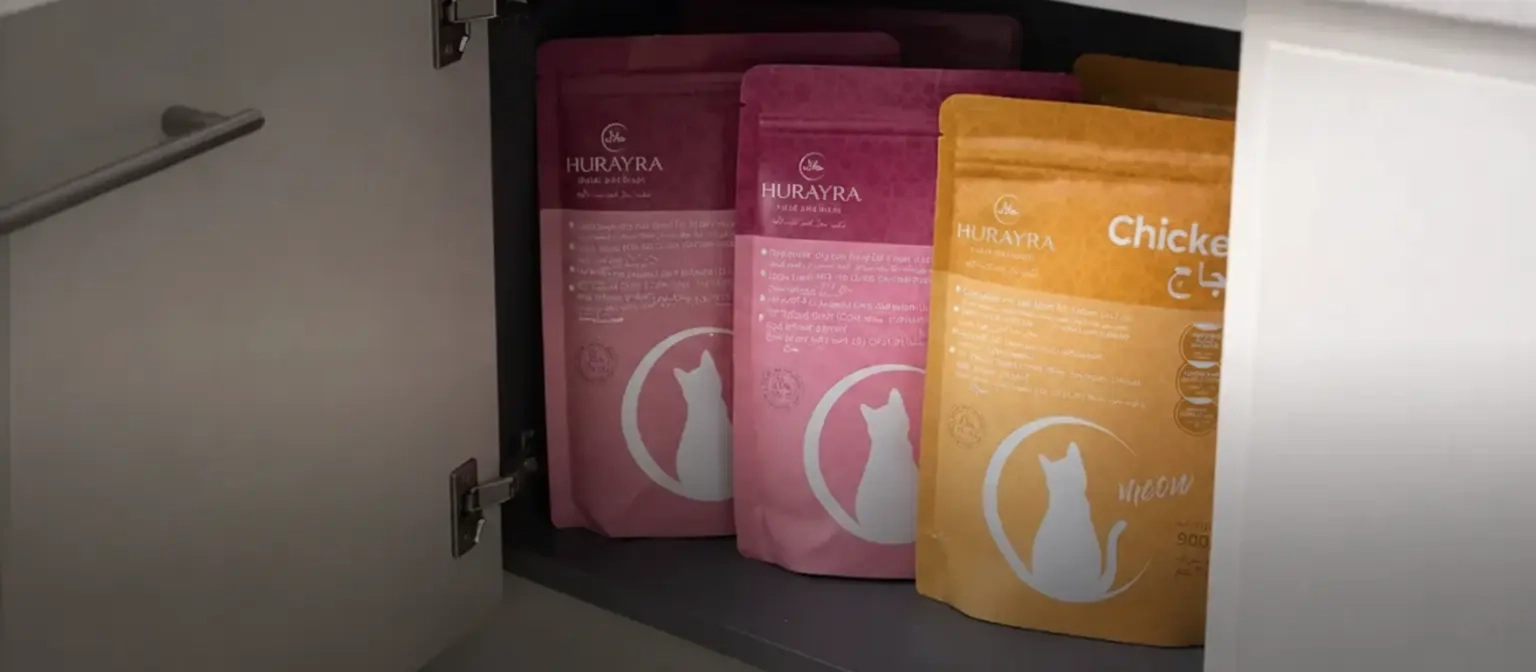
Knowing how to store cat food pouches properly is just as important as handling dry food. Unopened pouches should be kept in a cool, dry place away from direct sunlight.
Once opened, pouches should be covered and refrigerated, then used within the timeframe stated on the packaging. Leaving opened pouches at room temperature for extended periods introduces unnecessary changes to freshness and stability.
Common Cat Food Storage Mistakes to Avoid
Some storage habits slip in without much thought. They usually feel harmless at first, especially when food still looks and smells fine.
- Leaving bags or containers partially open between meals
- Storing food near ovens, radiators, or other heat sources
- Buying larger quantities than can’t be stored in stable conditions
None of these cause immediate issues. Over time, however, they introduce variation. Small adjustments often lead to more consistent results.
Does Storage Affect Ingredient Integrity Over Time?
Ingredients respond differently to their surroundings, and these responses happen gradually. Fats are sensitive to oxygen. Proteins react to prolonged warmth. Moisture affects structure and stability in ways that aren’t always visible at first.
What matters most is consistency. When food is handled the same way day after day, ingredients remain closer to how they were formulated to behave. Storage becomes part of maintaining balance over time, rather than an afterthought that introduces unnecessary variation.
This idea of maintaining balance reflects how some brands, including Hurayra, approach formulation and sourcing from the start, designing food that performs best when handled with the same care at home.
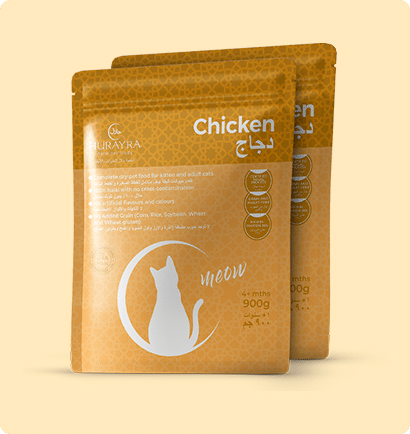

Chicken Cat Food
Tender bites that build muscle and keep every meal exciting.
Get 2 x 900g bags that last for 2-4 weeks.
From £19.80
Simple Cat Food Storage Ideas That Help Keep Food Fresh Longer
Good storage habits are usually built into everyday routines. Small, repeatable actions tend to make the biggest difference over time.
- Store food in the same place each day to avoid temperature and humidity changes
- Seal containers fully after every use, even between short intervals
- Avoid topping up new food onto old food without cleaning the container first
These practical cat food storage ideas reduce variation and help meals remain consistent over time.
Conclusion
How cat food is stored shapes more than shelf life. It influences consistency, familiarity, and how meals are received over time. Stable locations, thoughtful handling, and simple routines help keep food closer to how it was intended, from the first serving to the last. Small choices, repeated daily, tend to matter most.
That same attention sits behind Hurayra Pet Foods. Recipes are developed with clear halal sourcing and careful formulation, then made to be handled with the same respect at home.
For pet parents looking for halal pet food or pork-free options, it offers a steady, transparent choice built around clarity, consistency, and confidence at every meal.
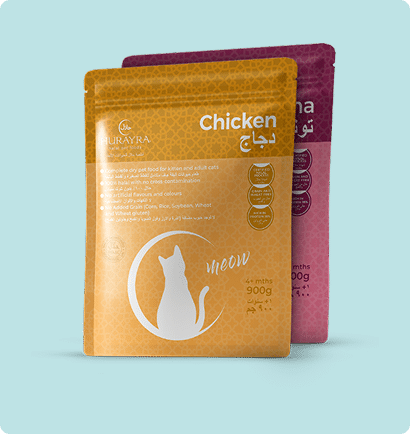
Chicken And Tuna Combo
Balanced nutrition and flavour that never gets old.
Get 2 x 900g bags that last for 2 weeks.
Subscribe & Save 25%
Frequently Asked Questions
1 What are the 25 rules for cat food?
Once opened, dry cat food is best used within around 25 days. Fresh food isn’t just about flavour, it supports your cat’s health and wellbeing.
2 Are you supposed to put cat food in the fridge?
Dry food doesn’t belong in the fridge where moisture can spoil it. Wet food can be refrigerated briefly, but always serve it gently warmed to keep it appetising.
3 Should dry cat food stay in the bag or go in a container?
The original bag helps protect the food, especially when sealed inside an airtight container. This simple step keeps meals fresh, safe, and just as your cat enjoys them.
4 What is the 3-3-3 rule for cats?
Cats need time: 3 days to feel safe, 3 weeks to settle, and 3 months to truly relax. Consistency with food and routine helps them feel secure and cared for.
5 Where is the best place to put cat food in your house?
Choose a quiet cupboard away from heat, smells, and busy areas. A calm storage spot keeps food fresh and respects your cat’s sensitive nature.
Recent Post
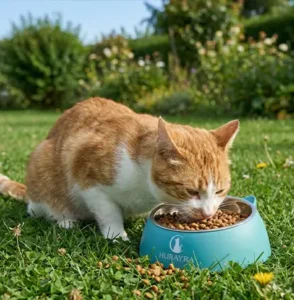
Subscribe & Save 25% Every Month
Never run out of your pet’s favourite dry cat food again. Enjoy scheduled deliveries right to your door & save 25% on every order. A win for you and your furry friend!
More Articles
- Saniya Ahmed
- /
- 26/02/2026

- Saniya Ahmed
- /
- 25/02/2026
- Saniya Ahmed
- /
- 19/02/2026

- Saniya Ahmed
- /
- 18/02/2026
- Saniya Ahmed
- /
- 11/02/2026
- Saniya Ahmed
- /
- 10/02/2026