
- Blog, Islamic Pet Care
What Islam Really Teaches About Feeding a Cat?
- Saniya Ahmed
Table of Contents
TL;DR
Hurayra was founded to fill a clear gap in the UK market where Muslim pet owners couldn’t find genuinely halal, HMC-certified cat food with full transparency and zero cross-contamination. After visiting 82 manufacturers and rebuilding the supply chain from scratch, Hurayra launched the UK’s first HMC halal-certified cat food, combining strict ethical sourcing, complete traceability, and nutritionally balanced, high-protein recipes. The result is faith-aligned, trustworthy cat food that raises quality standards for all pet owners.
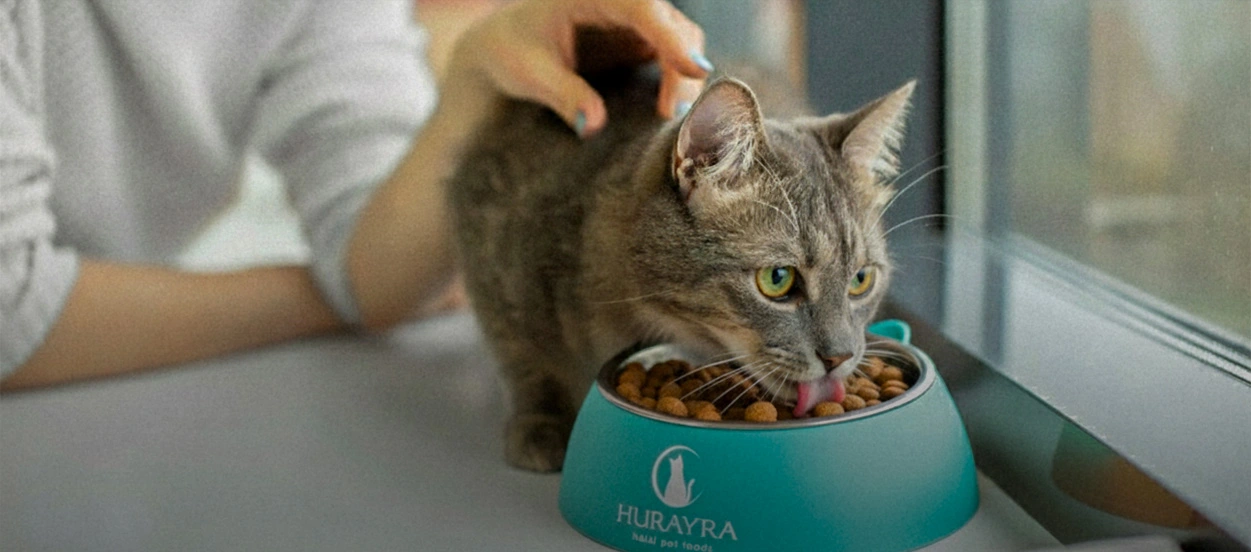
Feeding a cat in Islam is not only about nourishment. It reflects mercy, responsibility, and attentiveness to life placed in human care. When done consistently, feeding becomes part of ethical living rather than a passing task.
The choice to notice a pet’s hunger, respond promptly, and act responsibly shapes one’s character over time. In Islam, faith does not sit apart from daily life. It appears most clearly in how small responsibilities are carried.
This guide explores how feeding cats in Islam reflects compassion, responsibility, and reward, and how these principles translate naturally into daily life.
The Cat in Islam: Status and Understanding
Islam approaches animals as part of everyday life, not as distant or secondary concerns. In Islam, a cat is recognised as a familiar presence, accepted within homes and shared spaces. This understanding forms an important foundation before any discussion of rulings or obligations. It shows that care for animals is woven into daily living, guided by ease, respect, and responsibility rather than restriction.
Hadith and Early Teachings
During the time of Prophet Muhammad ﷺ, cats were commonly found in early Muslim homes and public areas. Their presence was treated as normal and unproblematic. Islamic teachings describe cats as clean animals that move freely among people, and their presence does not invalidate worship (Sunan Abi Dawud 75).
- Cats were accepted within living spaces
- Their presence did not disrupt prayer or daily practice
The Islamic View on Pet Care
Islam presents animals as part of Allah’s creation, entrusted to human care. This trust is shaped by mercy, responsibility, and balance. Providing food, water, and safety is viewed as an ethical duty, guided by attentiveness rather than control.
The Prophet Muhammad ﷺ made this responsibility clear when he warned against neglect and cruelty. He said that a woman was punished for confining a cat, neither feeding it nor allowing it to find food for itself (Sahih al-Bukhari 3318).
Why Does Feeding Cats in Islam Matter?
Feeding cats in Islam matters because belief shapes action before rules define obligation. Islam encourages mercy as a lived value, where everyday care reflects faith long before questions of law or duty arise.
Feeding a Cat in Islam as an Expression of Rahmah
Feeding a cat in Islam expresses rahmah through consistent, attentive care. Mercy in Islam appears in ordinary moments, where responding to hunger or thirst becomes a quiet form of charity woven into daily routine (Al-Baqarah 2:197).
- Mercy shown through action, not intention alone
- Care offered without expectation of recognition
Reward for Feeding Animals in Islam
Islam links reward to intention rather than scale. Consistency gives simple acts meaning. Feeding animals regularly teaches that consistency, not visibility, determines spiritual weight over time (Surah Al-Baqarah 2:261).
- Reward recorded even when acts go unseen
- Everyday feeding becomes ongoing charity
Islam provides clear guidance once moral responsibility is established. Feeding cats moves beyond general kindness when an animal depends on human care. At that point, the matter is no longer optional. Islamic teachings treat the welfare of dependent animals as a responsibility tied to accountability, not personal preference.
When Feeding Cats Becomes a Responsibility
When a person owns a cat or brings it into their care, feeding becomes a duty. Dependence creates obligation, and care must remain consistent.
- Ownership creates reliance
- Feeding shifts from kindness to responsibility
Islam distinguishes between voluntary charity and duties that arise from control over another living being (Sahih al-Bukhari, Hadith 2363).
For this reason, some Muslim cat owners choose food made with halal-aligned processes and clear standards, such as Hurayra Pet Food that is produced with care, ethical sourcing, and HMC certification for peace of mind at home.
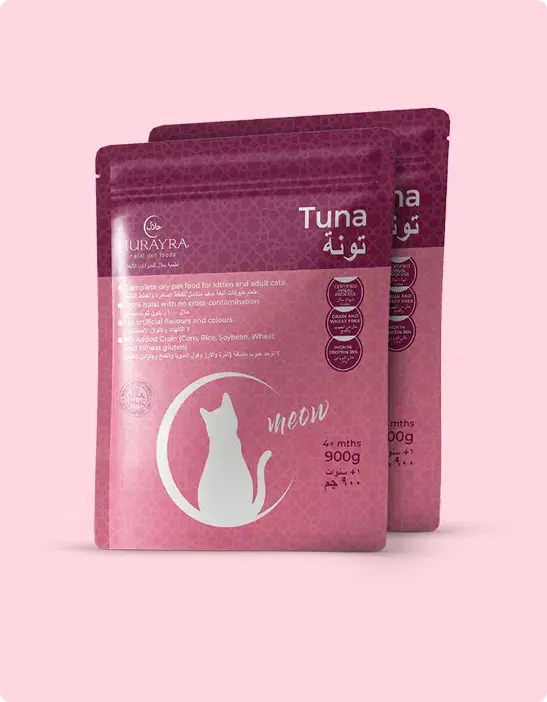

Tuna Cat Food
Tender bites that build muscle and keep every meal exciting.
Get 2 x 900g bags that last for 2-4 weeks.
From £19.80
Neglect and Accountability in Islam
Neglect carries consequences in Islam. The Prophet ﷺ warned of accountability for withholding food or care from animals. He described a woman punished for confining a cat without feeding it or allowing it to find food (Sahih Muslim, Hadith 2242). These narrations show that quiet neglect, not only visible harm, carries moral weight.
Benefits of Feeding Cat in Islam
Feeding a cat in Islam brings benefits to your heart, your habits, and your deeds. It is a simple action, but Islam gives it value when you do it with sincerity and consistency.
Spiritual Benefits of Feeding Cats in Islam
Feeding cats can count as sadaqah when done for Allah. It can also become a source of reward that continues over time.
- Teaches you to give charity through daily actions
- Brings Allah’s mercy and forgiveness through kindness
- Adds to your good deeds for the Hereafter
- Rewards you even when no one sees what you do
- Reminds you to be grateful for provision
Character and Ethical Growth Through Pet Care
Looking after a cat builds good habits and improves your character.
- Trains you to become more responsible
- Helps reduce loneliness by creating companionship
- Teaches empathy and care for living beings
- Strengthens your sense of accountability in daily life
- Builds gentle discipline and routine
These benefits grow slowly, but they persist because they come from consistent care.
Islamic View on Pet Care
Islam looks at animal care as part of a wider moral responsibility. Animals are not outside ethical concern. They are living beings with needs, and humans are accountable for how they respond to those needs. Feeding, protecting, and avoiding harm form part of this broader responsibility.
Feeding Cats as Part of Islamic Animal Ethics
Feeding cats fits within Islamic animal ethics, where access to food and water is considered a basic right. Care must prevent harm, whether intentional or through neglect, and should always aim to protect wellbeing.
- Right to food and water
- Avoiding harm, neglect, or unnecessary hardship
Feeding Stray Cats in Islam
Feeding stray cats reflects shared mercy within a community. Islam encourages helping where possible, provided care is thoughtful and does not create risk or harm.
- Community care guided by balance
- Feeding with intention and awareness
Feeding Animals as Ongoing Worship
When done consistently and sincerely, feeding animals becomes ongoing worship. Care is stewardship, and quiet actions can carry enduring reward beyond what is seen.
Hurayra Pet Foods: Everyday Nutrition For Your Cats
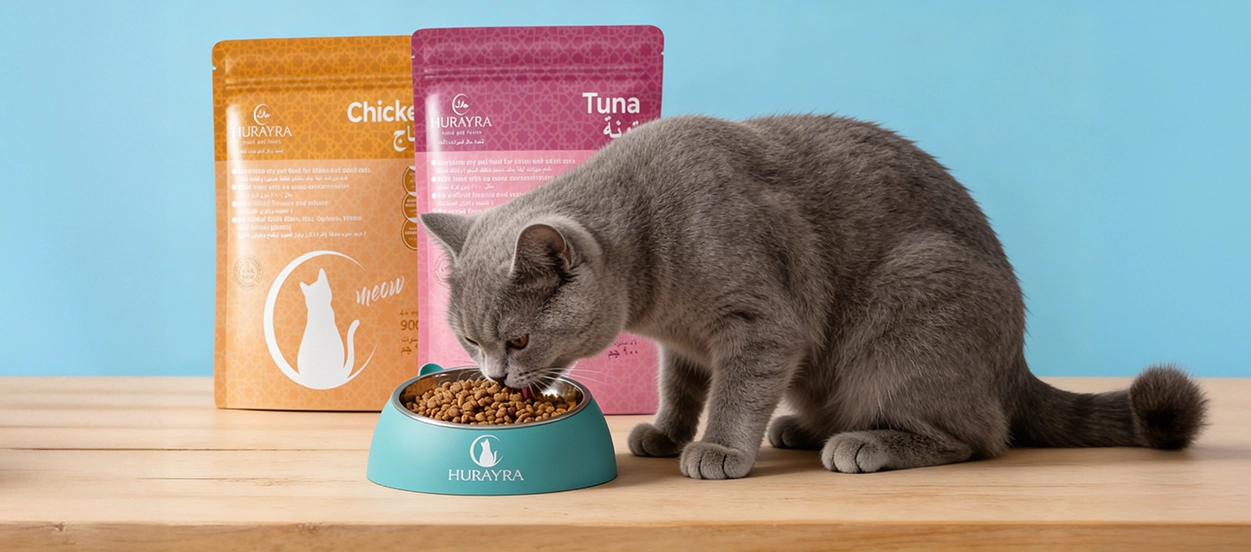
Hurayra frames everyday feeding as an extension of care and values. The range is HMC halal-certified, designed to be free of cross-contamination, and built around clear ingredient standards, including no grain, wheat, or soy fillers and no artificial colours, additives, or preservatives.
- Halal-focused recipes with clear ingredient standards
- Free from pork, alcohol, and unnecessary additives
- Designed for consistent, everyday feeding
- Suitable for households that value cleanliness and traceability
- Supports routine, balanced care rather than occasional feeding
Choosing food is part of how care is expressed. With Hurayra, everyday feeding stays simple, responsible, and consistent, allowing pet parents to focus on routine, attentiveness, and meeting their cat’s needs with confidence.

Tuna and Chicken Combo
Balanced nutrition and flavour that never gets old.
Get 2 x 900g bags that last for 2 weeks.
Subscribe & Save 25%
Frequently Asked Questions
1 What does Allah say about cats in Islam?
Allah does not name cats in the Qur’an, but describes animals as valued, deserving care, mercy, and respect as part of His creation (Qur’an 6:38).
2 What is the benefit of feeding cats in Islam?
Feeding cats is an act of kindness encouraged in Islam. It counts as charity, earns reward, and reflects ihsaan toward Allah’s creation, especially when animals are hungry.
3 Is it haram to feed cats?
Feeding cats is not haram. However, Muslims should avoid feeding animals harmful or haram substances, such as pork or spoiled food, that may cause them harm.
4 Is feeding a cat sadaqah?
Yes. The Prophet ﷺ taught that serving any living being brings reward, making feeding cats and caring for animals a form of sadaqah (Bukhari, Muslim).
5 Did Prophet Muhammad ﷺ have a pet cat?
While stories mention a cat named Muezza, authentic hadith confirm the Prophet ﷺ showed great kindness to cats, highlighting their cleanliness and honoured place in Islam.
Recent Post
Subscribe & Save 25% Every Month
Never run out of your pet’s favourite dry cat food again. Enjoy scheduled deliveries right to your door & save 25% on every order. A win for you and your furry friend!
More Articles
- Saniya Ahmed
- /
- 26/02/2026
- Saniya Ahmed
- /
- 25/02/2026
- Saniya Ahmed
- /
- 19/02/2026

- Saniya Ahmed
- /
- 18/02/2026
- Saniya Ahmed
- /
- 11/02/2026
- Saniya Ahmed
- /
- 10/02/2026