
 Written by Uzma Aslam
5 Reasons Dry Grain-Free Cat Food Is the Smart Choice for UK Cat Owners
More UK cat owners are questioning what’s really in their cat’s food. And once you start reading labels, it’s hard to stop noticing what you’d rather not see.
Grains, wheat, soy, artificial preservatives. Fillers that pad out a bag but do little for your cat. This article breaks down five clear reasons why switching to dry grain-free cat food in the UK is worth serious consideration.
Cats Aren’t Built To Digest Grains
Cats are obligate carnivores. That means their bodies are built around animal protein, not carbohydrates.
Grains like corn, wheat, and rice are cheap to include. They bulk out kibble and keep production costs down. But your cat’s digestive system was never designed to process them efficiently.
The result? Some cats manage fine. Others don’t. Bloating, loose stools, and general digestive discomfort are common signs that a grain-heavy diet isn’t sitting well.
Removing grains isn’t a trend. It’s a straightforward response to how cats actually work biologically. When you look at what goes into a grain-free recipe, the ingredient list is shorter, cleaner, and far easier to understand.
High Protein Supports Muscle, Energy, And Healthy Weight
A cat living on a grain-heavy diet often fills up on calories that don’t do much. Grains inflate the calorie count without delivering the protein cats need to build muscle and stay lean.
Dry grain-free cat food in the UK typically contains a significantly higher protein percentage. A good recipe will lead with a named meat source, like chicken or tuna, not vague “meat derivatives” or “animal by-products.”
This matters for weight management. Cats on high-protein, low-carbohydrate diets tend to maintain a healthier body composition. They feel fuller for longer, too, which means less begging between meals.
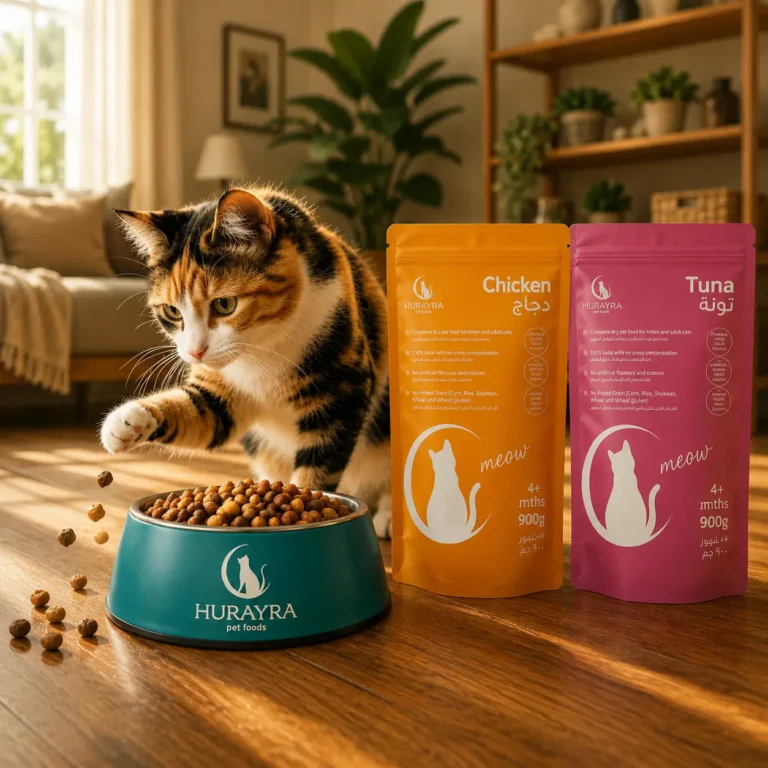
Hurayra’s chicken dry cat food contains 35% protein and uses real, named meat as the primary ingredient. That’s the kind of transparency worth looking for on any bag you’re considering.
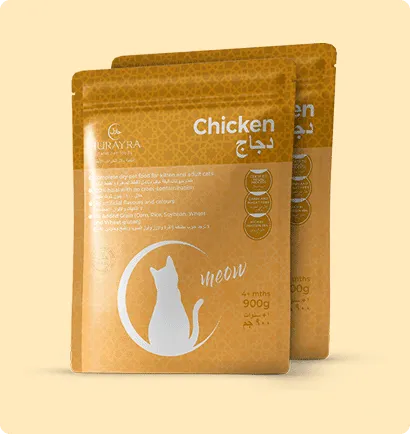
Chicken Cat Food
Subscribe & Save 25%
Fewer Fillers Means Better Coat And Skin Condition
One of the first things owners notice after switching to a grain-free diet is visible improvement in their cat’s coat. It’s not a coincidence.
Grain-heavy foods can trigger low-level inflammation in sensitive cats. This often shows up on the outside: dull fur, flaky skin, excessive scratching. Not dramatic enough to warrant a vet visit, but noticeable enough to be a concern.
Grain-free dry cat food removes those common irritants. Combined with the right fatty acids, it can make a real difference to how a cat looks and feels day to day.
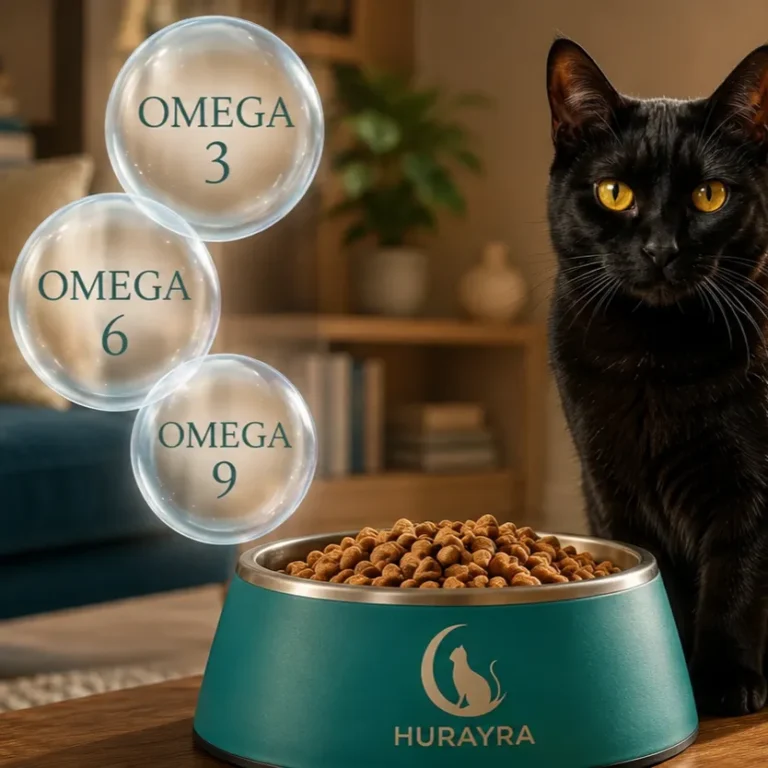
Omega 3, 6, and 9 fatty acids each play a distinct role here, from reducing skin inflammation to supporting a glossy coat. Cats can’t produce these efficiently on their own, so the source in their food genuinely matters.
It Suits Indoor Cats Particularly Well
Most cats in the UK spend a lot of time indoors. They move less, burn fewer calories, and are more likely to gain weight if their diet isn’t right.
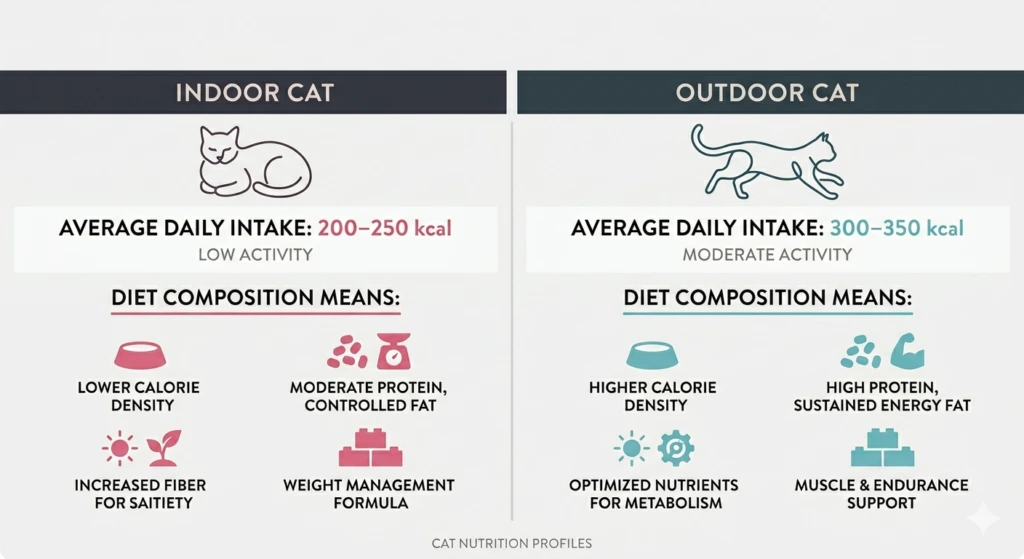
Grain-free dry cat food tends to be calorie-dense in the right way. It’s protein-led rather than carbohydrate-led. This keeps weight in check without reducing portion sizes to the point where your cat feels unsatisfied.
Indoor cats are also more prone to hairball issues and digestive slowdown. A cleaner, more digestible diet can help with both. Natural fibre sources, used properly, support gut motility without the downsides of grain-based fillers.
If you want a deeper look at caring for cats at different life stages, Hurayra’s cat care section covers feeding, enrichment, and health in plain, practical terms.
You Know Exactly What You’re Feeding
Reading an ingredients list shouldn’t require a degree in food science. But with some mainstream cat foods, it practically does.
“Meat and animal derivatives.” “Oils and fats.” “Various sugars.” These catch-all terms are legal and widely used. They’re also completely uninformative.
Grain-free dry cat food UK brands with genuine quality standards tend to name their ingredients clearly. Real chicken. Actual tuna. Named oils. Specific vitamins.
That kind of transparency matters. Especially if you’re feeding a cat with known sensitivities, dietary preferences, or if you simply want to know what you’re buying. The story behind Hurayra started with exactly that question: a cat owner who couldn’t find food he trusted and decided to make his own.
What To Look For When Choosing Grain-Free Kibble
Not every grain-free label means the same thing. Here’s what to check:
The first ingredient should be a named protein. Chicken, tuna, salmon. Not “poultry meal” or “fish derivatives.” If the first listed ingredient isn’t an identifiable meat, the protein story falls apart.
Check what replaced the grain. Some grain-free recipes swap wheat and corn for potato starch or tapioca. These are fine in moderation, but a long list of starchy substitutes can push the carbohydrate content back up. Look for a recipe where protein dominates.
Look for added vitamins. Vitamins A, D, and E support immune function, bone strength, and coat condition. A complete, balanced recipe will list these clearly.
Avoid long lists of unrecognisable additives. Artificial colours, synthetic preservatives, and flavour enhancers serve the manufacturer, not your cat.
Final Thoughts
Switching to dry grain-free cat food doesn’t need to be complicated. The benefits are consistent and well-supported: better digestion, higher protein, a healthier coat, and a cleaner ingredient list.
It’s also worth remembering that cats are individuals. Some transition immediately and love every meal. Others take a few days to adjust. A slow switch over seven to ten days, mixing old and new food, gives most cats time to settle in.
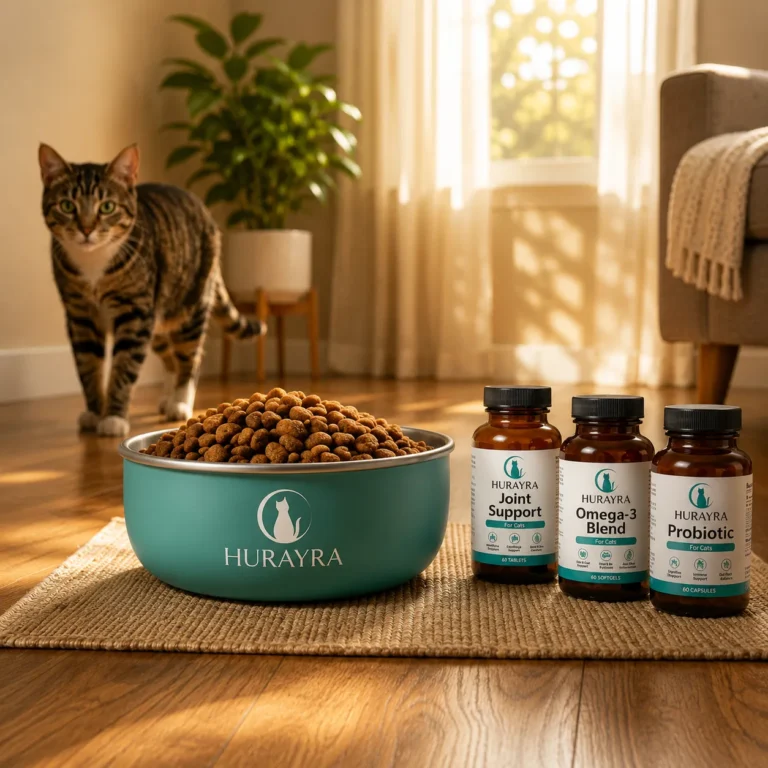
If you’re looking for a natural dry cat food in the UK that takes ingredients seriously, it’s worth exploring Hurayra’s range. Both the chicken and tuna flavours are grain-free, wheat-free, and made without artificial additives. A practical starting point for owners who want to feed their cat something they can actually stand behind.
Tuna and Chicken Combo
Subscribe & Save 25%
Frequently Asked Questions
It’s suitable for most cats. Grain-free simply removes low-value fillers and replaces them with more of what a cat’s body is actually built to use.
It can cause mild stomach upset if the switch is too sudden. Transitioning gradually over seven to ten days, mixing old and new food, avoids most issues.
Check the ingredients list. A named protein like chicken or tuna should appear first, with no vague terms like “meat derivatives” or a long list of starchy substitutes.
Usually yes. Higher meat content makes grain-free recipes more aromatic, and many owners find even fussy cats take to them more readily than their previous food.
It does tend to cost more, but the higher meat content and cleaner ingredients mean your cat is getting more nutritional value per bowl. For most owners, that trade-off makes sense.

One comment
Comments are closed.