Written by Mohammed Rana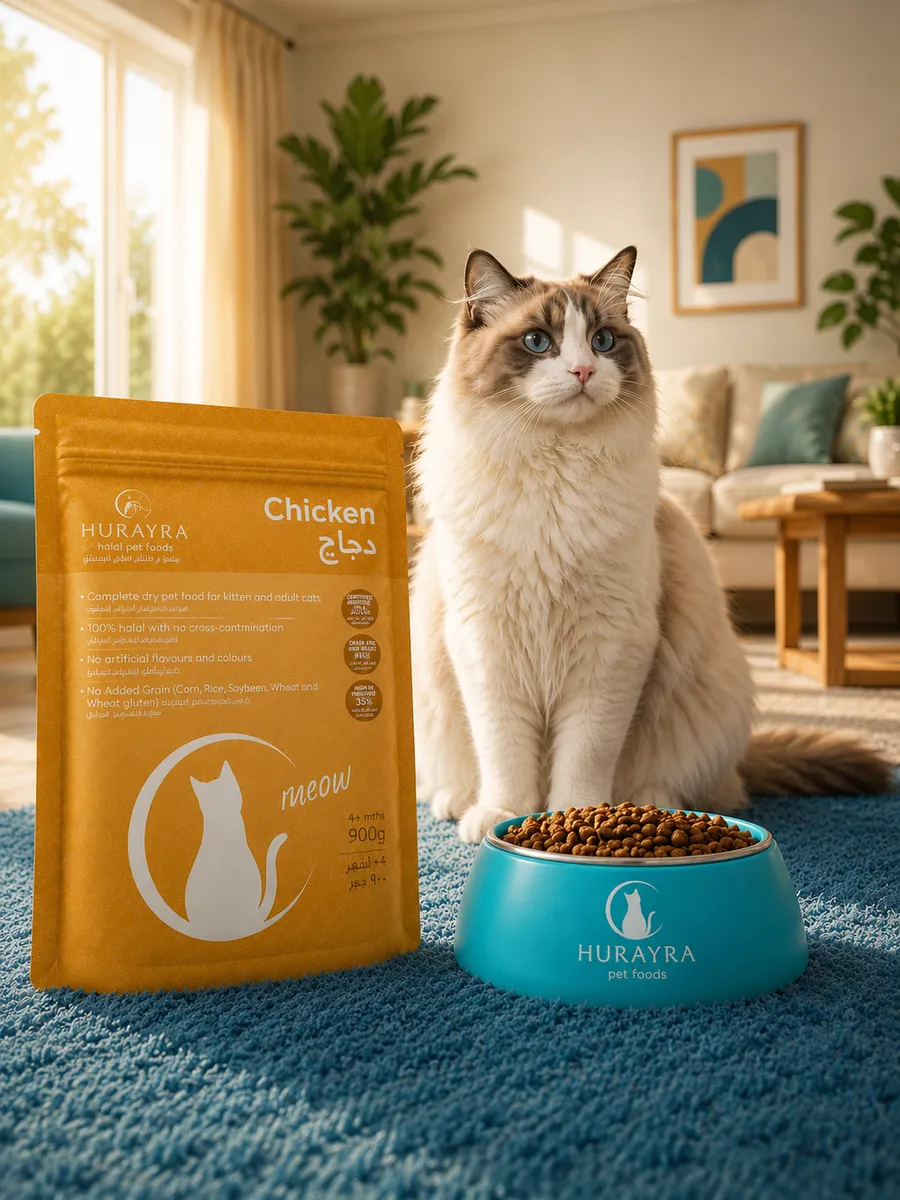
The Quick Answer
Why is my cat suddenly fussy about food? The most common reasons are dental pain (the #1 cause vets see), food aversion from a past illness, stress, stale or contaminated food, a change in their food’s recipe, respiratory infection blocking their sense of smell, or boredom with the same flavour. Each has a different fix and some need a vet visit.
They walked over. Sniffed it. Looked you dead in the eye.
And walked away.
If you’ve been here, you know the cocktail of feelings. Frustration. Worry. A faint sense of personal offence.
Cats don’t become fussy for no reason. There’s almost always a reason. And in many cases, that reason tells you something important about your cat’s health, not just their taste preferences.
In this guide, we’re going to go through the 7 most common reasons cats suddenly become fussy eaters, what to look for, and what to actually do. Not vague advice. Specific, actionable steps.
Let’s get into it.
Before We Start: One Thing Most Owners Get Wrong
When a cat goes off their food, the instinct is to blame the food itself. So owners buy a different brand. Then another. Then another.
Sometimes that’s the right call. Often it isn’t because the real problem isn’t the food. It’s something going on with the cat that’s making eating uncomfortable, unappealing, or even painful.
The distinction matters because if you keep switching foods while the actual cause goes untreated, you end up with a cat that’s trained to expect constant variety and a health problem that’s getting worse in the background.
So: diagnose first, switch food second.
Here’s how to do that.
Reason 1: Dental Pain (The One Most Owners Miss)
This is the big one. And almost nobody talks about it.
According to the Royal Veterinary College’s VetCompass study which analysed over one million cats across UK vet practices, dental disease is the single most common health disorder in UK cats, affecting more than 1 in 5. Most owners have no idea their cat has it, because cats are hardwired to hide pain. It’s a survival instinct left over from the wild. A weak animal is a target.
So your cat won’t cry. Won’t limp. Won’t make it obvious at all.
What they’ll do instead is stop eating or eat differently. Specifically, watch for:
- Suddenly preferring wet food over dry (or vice versa)
- Chewing only on one side of their mouth
- Dropping food from their mouth while eating
- Taking longer than usual to finish a meal
- Pawing at their mouth after eating
If your cat has gone off dry food specifically, dental pain is the first thing to rule out. Kibble requires more chewing force. If that hurts, wet food becomes the easier option.
What to do: Book a vet check. Dental disease in cats is treatable but it doesn’t go away on its own and the longer it’s left, the worse (and more expensive) it gets. While you’re waiting for the appointment, switch to a soft, wet food or a high-quality dry food with smaller kibble to make eating more comfortable.
Why this matters for what you feed them: Once dental pain is addressed, many cats go back to eating normally. But if their current dry food is hard, oversized kibble with low palatability, they may still resist. Hurayra cat food uses a fine-ground, highly digestible formula easier on the mouth, higher in actual meat protein (not meat meal), which tends to be far more appealing to cats who’ve become suspicious of their bowl.
Reason 2: They Associated It With Feeling Sick
Cats have an extraordinary ability to connect cause and effect when it comes to food. And once they’ve made a negative association, it sticks.
Here’s a common scenario: your cat gets a stomach bug, or has surgery, or gets nauseous from medication. What do they smell right before feeling terrible? Their food. So their brain files that food under dangerous.
This isn’t stubbornness. It’s a sophisticated survival mechanism. In the wild, if something made you sick, avoiding it in future kept you alive. Your cat’s instincts haven’t updated to account for the fact that it was actually a virus, not the chicken in jelly.
Signs this is the cause: The aversion started suddenly after an illness, vet visit, or medication. They won’t touch a specific food but will eat other things.
What to do: Don’t force it. Trying to get a cat to eat a food they’ve developed an aversion to almost never works, and usually deepens the aversion. Introduce an entirely new protein source or format — if they were on chicken, try tuna. If they were on wet, try a different dry. Give them a clean slate.
Hurayra offers both a Chicken and a Tuna dry formula making it easy to give your cat a fresh start without throwing out everything you know works nutritionally. Both are HMC-certified halal, grain-free, and high in real animal protein. No mystery “meat derivatives” that taste different batch to batch.
Reason 3: Recipe Change (The Secret Reason Cats Refuse Familiar Food)
This one surprises people every time.
Your cat has been eating the same food for months. You haven’t changed anything. And suddenly refusal.
What likely happened: the manufacturer quietly changed their recipe. They adjusted the protein source, switched suppliers, and changed the flavour profile. The bag looks the same. The label says the same thing. But to your cat’s extraordinarily sensitive nose, which can detect differences in amino acid composition that we’d never notice it’s a completely different food.
This is actually more common than most people realise. Ingredient costs fluctuate. Big pet food companies reformulate constantly, often without announcing it.
Signs this is the cause: The refusal happened with a familiar food, with no change in your cat’s health or environment. Other owners have reported the same thing in online reviews or forums around the same time.
What to do: Check Reddit’s r/CatsUK or product review sections on Zooplus or Amazon. If others are reporting the same sudden refusal at the same time, you’ve found your answer. Switch brands and this time, look for one with a consistent, transparent ingredient list.
This is one of the core reasons Hurayra exists. The ingredients list is fixed, you can read exactly what’s in it. No vague “poultry derivatives,” no rotating protein sources. Cats are creatures of consistency. They do better on food that actually stays the same.
Reason 4: Stress and Anxiety
The connection between stress and appetite in cats is underappreciated by most owners — and by most pet food brands who’d rather you just buy a new flavour.
Cats are extremely sensitive to environmental changes. And because they’re territorial animals, stress hits them harder than it does dogs. The PDSA’s 2024 PAW Report found that 1.8 million UK cats are currently living with a housemate they don’t get on with and cats in multi-cat households are 55% more likely to display stress-related behaviours.
Those behaviours include: not eating, eating erratically, hiding, over-grooming, and importantly, developing urinary problems as a downstream consequence of chronic stress.
Signs stress is the cause: The food refusal started around the same time as a change in your home. A new pet. A new baby. Moving house. Someone leaving. Building work. Even a change in your own schedule or stress levels — cats read us, accurately.
What to do: Identify and reduce the stressor where possible. Give them a safe, quiet space to eat away from other pets. Feed multiple cats in separate rooms. Consider a Feliway diffuser for environmental support.
The food piece: a highly palatable, consistent food matters even more for stressed cats. Stress suppresses appetite. A food with strong aroma, high meat content, and familiar flavour gives you the best chance of keeping them eating during difficult periods.
Reason 5: The Food Has Gone Stale (Or Smells Off)
Dry cat food goes stale. Fast.
Here’s something the bag usually doesn’t tell you: once you open a bag of dry food, the fats in it start oxidising. Depending on the ambient temperature and humidity both of which are higher in UK summers than most people account for you can lose palatability within two to three weeks of opening.
Signs this is the cause: Your cat was eating fine, then stopped mid-bag. They’ll eat a small amount when the food is fresh but lose interest quickly.
What to do:
- Store dry food in an airtight container, not the original bag
- Never leave food out for more than 20 minutes — especially in summer
- Buy in quantities you can finish within 3–4 weeks of opening
One underrated benefit of Hurayra’s subscription is that food arrives on a schedule calibrated to your cat’s consumption. You’re not stockpiling bags that sit half-open in a cupboard for months. Fresh food, on rotation. It makes a genuine difference to palatability.
Reason 6: Respiratory Infection Blocking Their Sense of Smell
Cats rely on smell not taste to decide if food is worth eating. Their taste buds are actually quite limited compared to ours. But their olfactory system is extraordinary.
Which means: when their nose is blocked, food loses most of its appeal. Not because the food has changed, but because they can’t smell it.
Signs this is the cause: Along with food refusal, your cat has watery eyes, sneezing, nasal discharge, or sounds congested. Upper respiratory infections are extremely common in cats especially those who’ve had contact with other cats.
What to do: See the vet if symptoms are more than mild. In the meantime, warming the food slightly (never hot only lukewarm) intensifies the aroma and can help a congested cat locate and accept it. Wet food or a gravy topper works better here than dry kibble.
Reason 7: Boredom With the Same Flavour But Not the Reason You Think
Yes, some cats do get bored of the same food. But here’s the nuance that most articles skip over.
The instinct is to rotate flavours constantly a bit of salmon today, chicken tomorrow, tuna Thursday. Some owners end up with six half-eaten pouches in the fridge and a cat that holds out for something better.
That’s not solving boredom. That’s training a food addict.
What actually helps is rotating between two or three established flavours consistently — rather than constantly chasing novelty. Cats thrive on routine with variation. Not randomness.
What to do: Introduce two foods and rotate them on a predictable schedule. Same brands. Same quality. Same formats. This satisfies the need for variety without creating fussiness.
Hurayra’s Chicken and Tuna combo is designed exactly for this. Two protein sources, both grain-free, both high-protein, both halal-certified — consistent quality across both. Rotate them weekly. Your cat gets variation without the unpredictability that drives fussiness.
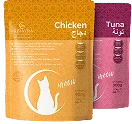
Tuna and Chicken Combo
Subscribe & Save 25%
How to Get a Fussy Cat to Eat: 5 Things That Actually Work
Once you’ve identified the likely cause, here’s what to try:
- Warm the food slightly. Room temperature or slightly above. Cold food from the fridge is low-smell, low-appeal. 30 seconds in the microwave (stir, check temperature) makes a significant difference.
- Try a different bowl. Cats with whisker fatigue, in which their whiskers touch the sides of a deep bowl, will avoid eating even when hungry. Switch to a flat plate or shallow bowl.
- Change the location. Cats won’t eat where they feel threatened. If the bowl is near the litter tray, another cat’s territory, or a noisy appliance, move it.
- Don’t free-feed. If food is always available, a cat has no reason to eat it now. Scheduled mealtimes create appetite and routine.
- Switch the protein source. If all the above fail and health issues have been ruled out, try a completely different protein. Chicken to tuna, or vice versa.
The Bottom Line
Most cases of sudden fussiness have a specific, fixable cause. The top ones to check, in order:
- Dental pain: The most common cause vets see, and the most overlooked by owners
- Food aversion: From an illness or medication experience
- Recipe change more common than most brands will admit
- Stress: especially in multi-cat homes or after environmental changes
- Stale food: check storage and rotation
- Respiratory infection: if accompanied by sneezing or nasal discharge
- Flavour boredom: The least likely cause, but fixable with structured rotation
Work through the list. Don’t just panic-buy seven different foods.
And if you want a food that’s actually designed to be consistent same ingredients, same palatability, same high-protein formula batch after batch Hurayra’s Chicken and Tuna dry food is worth trying. It’s HMC-certified halal, grain-free, and built for UK cats.
Frequently Asked Questions
Your cat may suddenly become picky due to changes in taste preferences, stress, dental pain, illness, or simply boredom with their current food. If the behaviour lasts more than a day or two, or they’re eating significantly less, it’s worth consulting a vet to rule out any health issues. 2 How long can a cat go without eating?
A cat should not go more than 24–48 hours without eating. Beyond that, they risk developing hepatic lipidosis (fatty liver disease), which can be life-threatening. If your cat hasn’t eaten in 24 hours, contact your vet.
Not immediately. First check for health issues (dental pain, illness, stress). If the cause is a recipe change or food aversion, then switching food is appropriate but do it gradually over 7–10 days to avoid digestive upset.
Look for food with high-quality, named protein (chicken or tuna not “poultry derivatives”), a consistent ingredient list that doesn’t change batch to batch, and strong natural aroma. Hurayra’s dry cat food scores well on all three and the grain-free formula avoids the common fillers that reduce palatability.
The 3-3-3 rule describes a cat’s adjustment to a new home: 3 days to feel scared and hide, 3 weeks to start settling and exploring, and 3 months to fully feel comfortable and show their personality.
Yes, some cats can refuse food they dislike and may eat very little, but they usually won’t voluntarily starve themselves for long. If a cat stops eating for more than 24–48 hours, it can become a serious health concern and needs a vet check.