Written by Maria Manshad
The Quick Answer
Frequent litter-tray visits, straining to pee, blood in the urine, crying while urinating and peeing outside the litter box can signal a urinary problem in cats. However, these symptoms don’t always mean a UTI, so a vet’s assessment is essential. If your cat strains but produces little or no urine, seek emergency veterinary care immediately. Fresh water, appropriate nutrition and good litter-box hygiene support urinary health, but food alone cannot treat or prevent every urinary condition.
Your cat has visited the litter tray four times in the last hour. Each time, they squat, shuffle around and leave without producing much urine. Then, instead of using the tray again, they pee on your freshly washed laundry.
Annoying? Perhaps. But more importantly, it could be a sign that something is wrong.
Changes in your cat’s toilet habits can point to a urinary tract problem, including a possible urinary tract infection (UTI). Cats cannot tell you when it hurts to pee, so noticing small changes in their behaviour can make a real difference.
But here’s the tricky part: not every cat with UTI-like symptoms actually has a UTI. Bladder inflammation, urinary crystals and blockages can cause similar signs, and some require urgent treatment.
So, how can you tell if your cat has a UTI, what should you look for, and when should you worry?
Signs Your Cat May Have a UTI
A urinary tract infection can affect your cat’s bladder and, less commonly, other parts of the urinary system. Watch for these changes, particularly if they appear suddenly or occur together.
1. Frequent Trips to the Litter Tray
Is your cat visiting the litter tray more often than usual?
Frequent trips can be an early sign of a urinary problem. Your cat may squat repeatedly, pass only a small amount of urine and return to the tray minutes later.
This can happen when the bladder or urinary tract is irritated, creating the urge to urinate even when little urine is present.
What to look for: Check whether your cat is producing several tiny urine clumps instead of their usual amount. A sudden change in urination habits deserves attention.
2. Straining or Difficulty Peeing
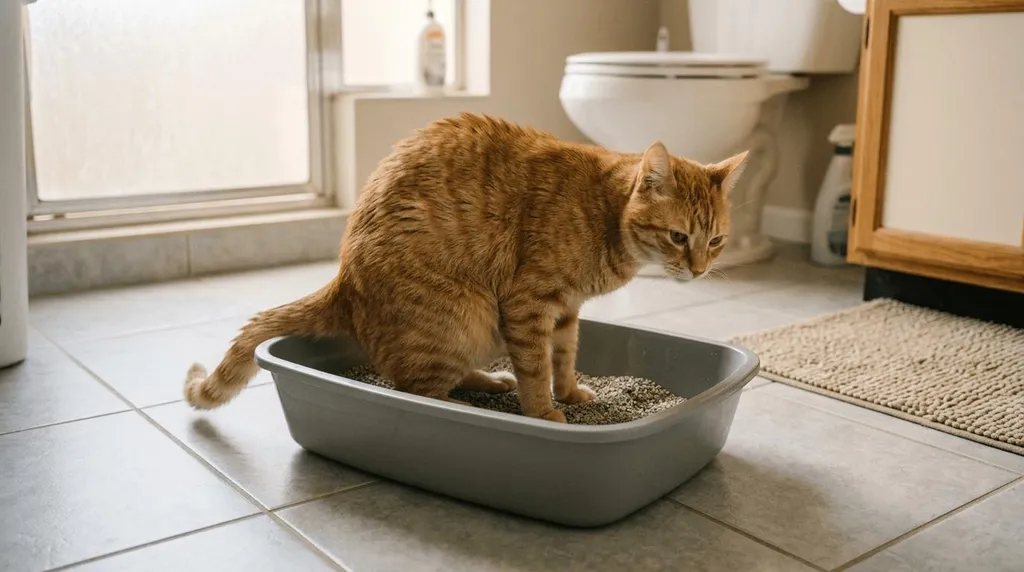
Does your cat spend longer than usual squatting in the litter tray or repeatedly try to urinate without much success?
You may notice your cat tensing their body, changing positions or entering and leaving the tray several times. These signs can indicate pain or difficulty passing urine.
Straining to urinate can look similar to constipation, so check whether your cat is passing urine normally rather than assuming they are struggling to pass stool.
Important: If your cat strains but produces no urine or only a few drops, seek emergency veterinary care immediately. A urinary blockage can be life-threatening, particularly in male cats.
3. Blood in the Urine
Pink, red or brownish urine can indicate bleeding in the urinary tract. You might notice discolouration in the litter, blood spots on a surface or unusual colouring when your cat urinates outside the tray.
Blood in the urine can occur with a UTI, but bladder inflammation, urinary stones and other conditions can cause it too. The appearance of the urine alone cannot identify the underlying problem.
What to do: Contact your vet promptly if you notice blood, even if your cat appears otherwise well. Seek emergency care if your cat is also struggling to pass urine.
4. Peeing Outside the Litter Tray
Finding urine on your bed, clothes or floor can be frustrating, especially when your cat normally uses their litter tray without problems.
However, a sudden change in toilet habits may have a medical cause. If urinating becomes painful or urgent, your cat may avoid the tray or struggle to reach it in time.
Clean the affected area thoroughly and monitor your cat’s urination. Avoid punishment, as it will not address a possible medical problem and may increase stress.
Keep in mind: Peeing outside the tray does not automatically mean your cat has a UTI. Stress, litter-tray issues and other medical conditions can cause similar changes.
5. Crying or Meowing While Urinating
A cat that suddenly cries, growls or meows while urinating may be experiencing discomfort.
You might also notice restlessness before or after using the litter tray. Some cats become quieter or withdraw instead, so changes in their usual behaviour are worth noticing.
Vocalising during urination can signal pain, but it cannot tell you whether the cause is a bacterial infection, bladder inflammation or another urinary condition.
What to do: Arrange a veterinary assessment if your cat shows new signs of discomfort while urinating. Do not wait for additional symptoms to appear.
6. Excessive Licking Around the Genital Area
Cats groom themselves regularly, but repeated licking around the genital area can be a sign of irritation or discomfort.
Your cat may return to the area frequently, groom more persistently than usual or seem unsettled after visiting the litter tray.
Excessive licking alone does not confirm a UTI. Skin irritation and other medical conditions can cause similar behaviour.
Look for other clues: Notice whether your cat is also making frequent trips to the tray, straining or passing unusually small amounts of urine. If you spot these changes, contact your vet.
7. Changes in Appetite, Energy or Behaviour
Sometimes, urinary problems affect more than your cat’s toilet habits. Your cat may hide more often, become irritable, lose interest in food or seem less active than usual.
These changes are easy to mistake for an ordinary off day. However, when they occur alongside unusual urination, they may indicate a more serious problem.
Vomiting, marked weakness, unusual lethargy or refusing food alongside urinary symptoms warrants prompt veterinary advice. If your cat cannot pass urine, seek emergency veterinary care immediately.
Remember: Cats do not always show every warning sign. If you notice a sudden change in urination or behaviour, contact your vet rather than waiting for symptoms to worsen.
Keeping track of your cat’s eating routine can help you spot changes early. Learn how often you should feed your cat.
UTI or Something Else? Understanding the Difference
Urinary symptoms do not always mean your cat has a UTI. Several conditions can cause similar signs, including:
- Feline idiopathic cystitis (FIC): Bladder inflammation with no clearly identified cause; stress may contribute.
- Urinary crystals or stones: Mineral deposits that irritate the urinary tract and may cause blockages.
- Urethral obstruction: A blockage that prevents urine from passing. This is a medical emergency.
- Other medical conditions: Kidney disease and diabetes can also affect urination.
Bacterial UTIs are not the only cause of urinary symptoms and are less common than some other urinary conditions in otherwise healthy adult cats.
Your vet may recommend urine tests and other investigations to identify the cause. For more information, read Cats Protection’s guide to urinary problems in cats.
When Should You Take Your Cat to the Vet?
Contact your vet promptly if your cat shows signs of a urinary problem. Do not assume the symptoms will resolve on their own.
Seek emergency veterinary care immediately if your cat:
- Strains to urinate but produces no urine or only a few drops.
- Shows severe pain or distress while trying to pee.
- Develops urinary symptoms alongside vomiting, marked weakness or collapse.
Urinary blockages are more common in male cats, but females can also be affected.
If your cat is passing urine but has blood in it, strains or repeatedly visits the litter tray, arrange a prompt veterinary assessment. If you are unsure whether your cat can urinate, treat it as an emergency.
Never press your cat’s abdomen, attempt to clear a blockage yourself or give human painkillers. Some medicines are toxic to cats, and delaying treatment can be life-threatening.
How Do Vets Diagnose a UTI in Cats?
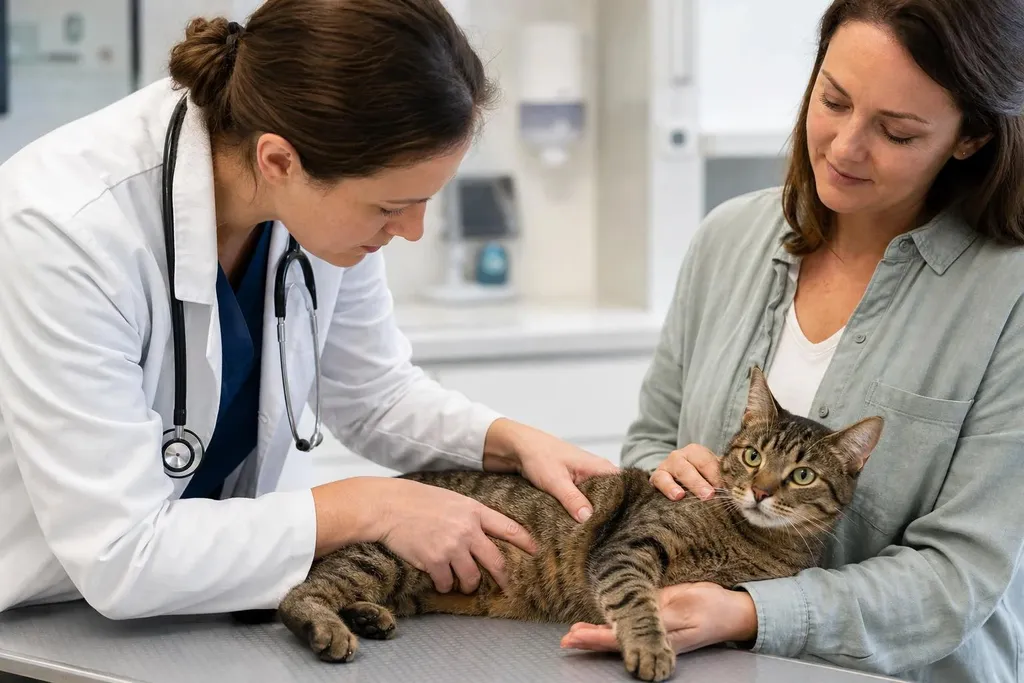
Your vet will ask about your cat’s symptoms, when they began, urination habits and any changes in appetite, thirst or behaviour.
They may examine your cat and recommend a urinalysis to check for blood, inflammatory cells and crystals. A urine culture may also be needed to detect bacteria and help select the appropriate antibiotic.
Depending on the findings, blood tests, X-rays or an ultrasound may help identify other causes, such as urinary stones or underlying disease.
Symptoms alone cannot confirm a bacterial UTI. Testing helps your vet identify the cause and recommend the right treatment.
A diagnosis is only the first step. If your vet confirms a bacterial infection, the next question is how to treat it safely. Read our guide onhow to treat a UTI in cats to understand veterinary treatment options, home care and recovery.
How Are UTIs Treated in Cats?
Treatment depends on the underlying cause.
If your cat has a confirmed bacterial UTI, your vet may prescribe antibiotics. Follow the instructions carefully and complete the course as directed.
If the problem involves bladder inflammation, crystals or stones, treatment may include pain relief, a veterinary therapeutic diet, increased water intake or stress management. A urinary blockage requires emergency veterinary treatment.
Never give leftover antibiotics or rely on home remedies such as cranberry juice instead of veterinary care. The wrong treatment can delay recovery or worsen the problem.
Follow-up appointments may be needed if symptoms persist or keep returning.
Can Diet and Hydration Help Your Cat’s Urinary Health?
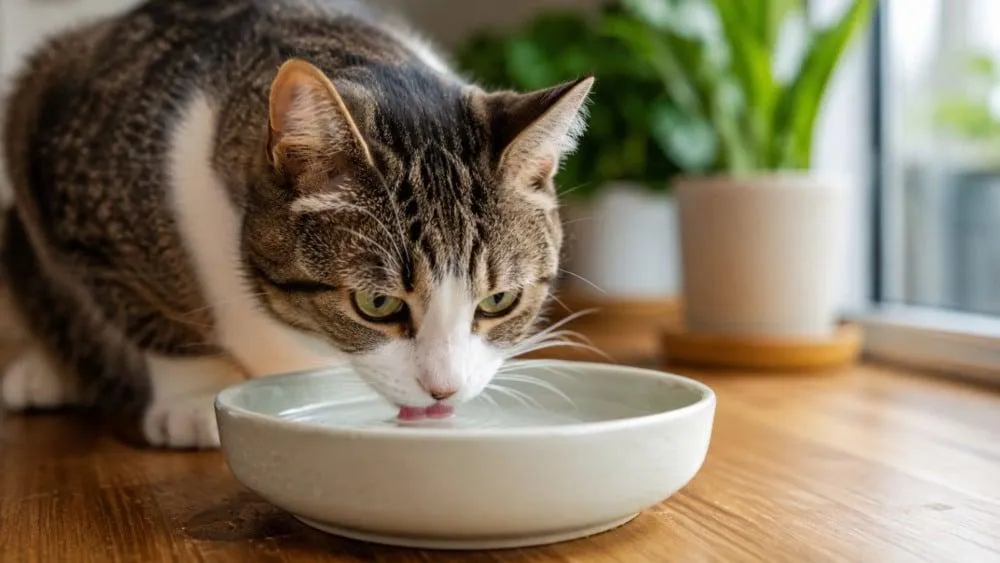
Food cannot cure a UTI, but good nutrition and adequate water intake can support your cat’s overall urinary health.
Wet food provides more moisture than dry food, which can help increase your cat’s water intake. However, the right diet depends on your cat’s individual needs and any veterinary recommendations.
Here are four ways to support your cat:
- Provide fresh water: Keep clean water available and refresh it regularly. Some cats prefer drinking from a fountain.
- Choose suitable food: Feed a complete, balanced diet appropriate for your cat’s life stage. Certain urinary conditions may require a veterinary therapeutic diet.
Wet food can contribute to your cat’s daily water intake. Read our guide on how much wet food to feed a cat. (ADD LINK OF THIS ARTICLE)
- Monitor daily habits: Keep an eye on your cat’s appetite, drinking habits and urination so you can spot changes early.
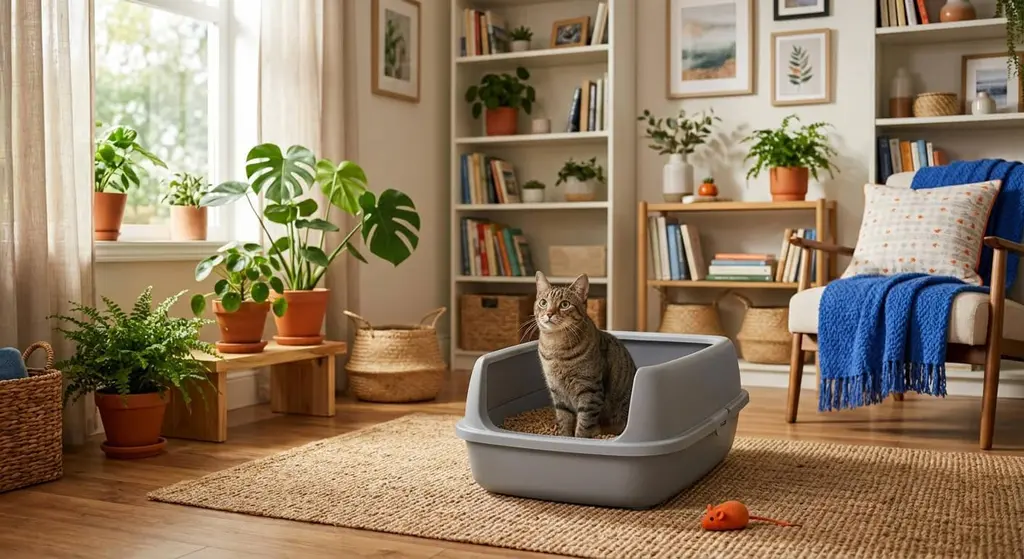
- Keep litter trays clean: Scoop regularly and provide an accessible, comfortable place for your cat to urinate.
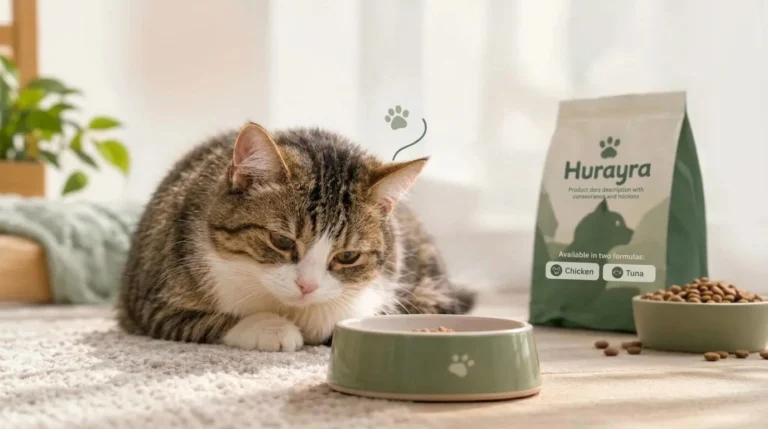
Looking for everyday feeding options? Explore Hurayra’s cat food range. If your cat has a diagnosed urinary condition, consult your vet before choosing a specialised diet.

Products | Halal Cat Food
You can also explore Hurayra’s cat food range to find everyday feeding options. If your cat has a diagnosed urinary condition, ask your vet whether a specialised diet is necessary.
Can You Prevent UTIs in Cats?
Not all urinary problems can be prevented, but good daily care can support your cat’s urinary health.
- Provide fresh water and a suitable, balanced diet.
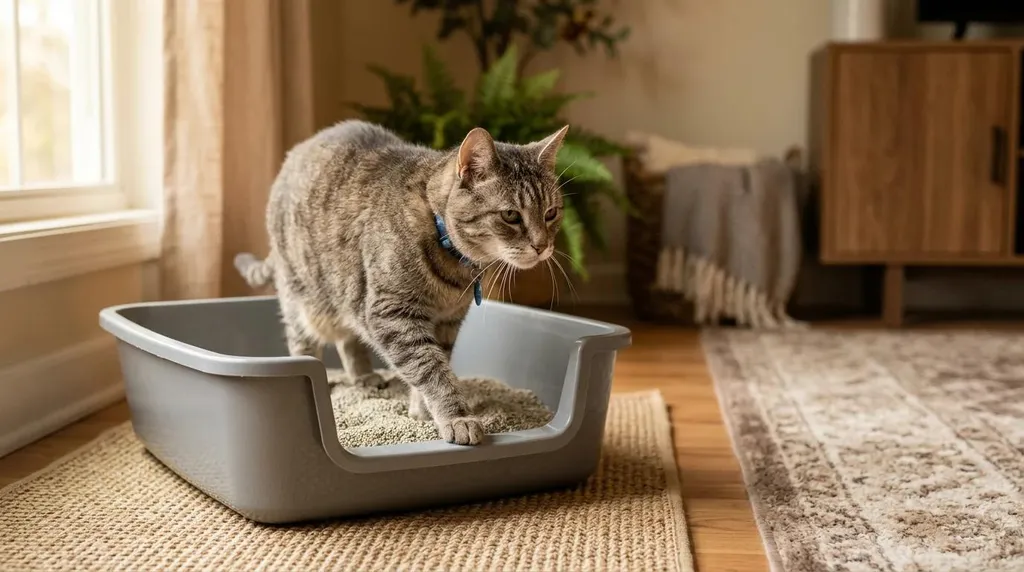
- Keep litter trays clean and accessible.
- Create a calm environment, as stress can contribute to conditions such as feline idiopathic cystitis (FIC).
- Monitor changes in urination and contact your vet if symptoms appear or return.
If your cat has recurring urinary problems, ask your vet about further tests and a suitable prevention plan.
Avoid using supplements or changing your cat’s diet to alter urine acidity without veterinary advice. Different urinary conditions require different approaches, and the wrong diet may do more harm than good.
Final Thoughts
So, how can you tell if your cat has a UTI? Watch for frequent litter-tray visits, straining, blood in the urine, unusual accidents, painful urination and changes in grooming or behaviour.
These signs are reasons to seek veterinary advice, not proof of a bacterial infection. Most importantly, if your cat repeatedly tries to urinate but produces little or nothing, do not wait. Get emergency veterinary care immediately.
Once the cause is identified, follow your vet’s treatment advice and support your cat with appropriate nutrition, fresh water and consistent daily care. A little attention to your cat’s usual habits can help you spot a problem before it becomes harder to manage.
Every cat has different nutritional needs, so choosing appropriate everyday food is an important part of responsible care. Explore Hurayra’s cat food range to learn more about the available options.
Frequently Asked Questions
Do not rely on a suspected UTI resolving without treatment. Urinary symptoms can have several causes, some of which are serious. Contact your vet promptly for advice, and seek emergency care if your cat cannot pass urine.
Bacterial UTIs are relatively uncommon in otherwise healthy adult cats compared with other causes of urinary symptoms. Older cats and cats with certain underlying medical conditions may be more susceptible. A veterinary examination helps establish the cause.
Yes. Indoor cats can develop UTIs and other urinary conditions. Living indoors does not eliminate the risk, so changes in litter-box habits, urine output or behaviour should still be taken seriously.
Male cats are particularly vulnerable to urethral blockages because their urethra is narrower. Both male and female cats can develop UTIs and other urinary conditions. Repeated straining with little or no urine is an emergency regardless of sex.
No ordinary cat food can guarantee that your cat will not develop a UTI. Appropriate nutrition and adequate water intake support general health, while some diagnosed urinary conditions may require a specially formulated veterinary diet. Your vet can recommend the right option for your cat.