Written by Maria Manshad
The Quick Answer
- UTI symptoms don’t always mean a bacterial infection. Bladder inflammation, urinary stones and blockages can cause similar signs but need different treatments.
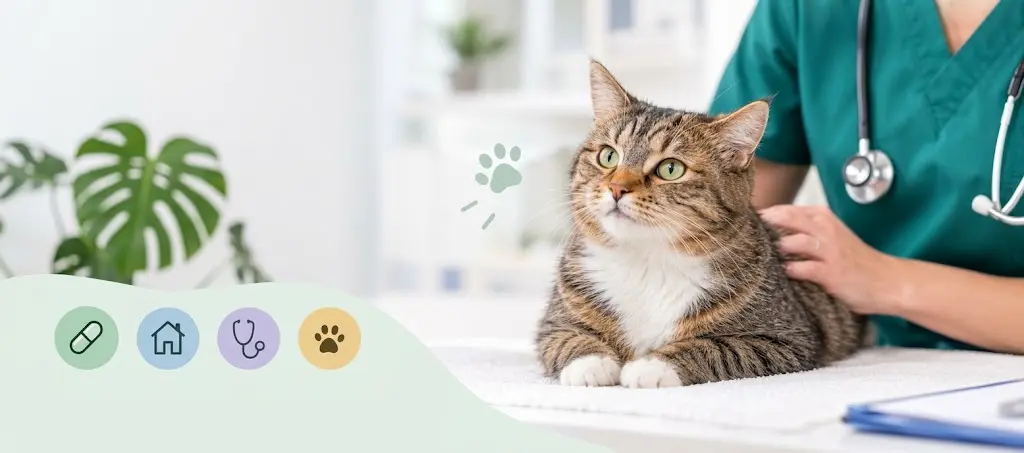
- A vet should confirm the cause. Urinalysis and urine culture can help determine whether antibiotics are needed.
- Treatment depends on the diagnosis. Bacterial UTIs may require prescribed antibiotics, while other urinary conditions need different care.
- Support recovery at home by providing fresh water, keeping the litter tray clean, reducing stress and following your vet’s advice.
- Avoid home remedies and human medicines. Cranberry supplements and household ingredients are not reliable treatments for feline UTIs.
- Know the emergency signs. If your cat strains repeatedly but passes no urine or only a few drops, seek emergency veterinary care immediately.
Your cat has been diagnosed with a urinary tract infection. Now what?
You might be wondering whether antibiotics will clear it up, how long recovery will take or whether there’s anything you can do at home to make your cat more comfortable.
The good news is that many uncomplicated bacterial UTIs can be treated successfully with appropriate veterinary care. The important part is making sure you’re treating the right condition in the first place.
Not every cat with urinary symptoms has a bacterial infection. Bladder inflammation, urinary stones and urethral blockages can cause similar problems, but each needs a different approach.
Here’s what cat owners should know about treatment, recovery and helping their cats stay comfortable.
First, Does Your Cat Actually Have a UTI?
Before discussing treatment, it’s worth clearing up a common misconception: difficulty urinating doesn’t automatically mean your cat has a urinary tract infection.
Bacterial UTIs occur when bacteria infect the urinary tract, usually the bladder. However, feline idiopathic cystitis (bladder inflammation without an identified cause), urinary stones and other lower urinary tract disorders can produce similar symptoms.
This distinction matters because antibiotics work against susceptible bacteria. They won’t resolve every cause of painful urination.
If you’re still trying to understand what you’re seeing, our guide on how to tell if your cat has a UTI explains the warning signs, what they may indicate and when to contact a vet.
Important: If your cat repeatedly strains but produces no urine or only a few drops, seek emergency veterinary care immediately. A blocked urethra can become life-threatening, particularly in male cats. Do not wait for home remedies to work.
How Do Vets Confirm a UTI in Cats?
A vet may need to test your cat’s urine before deciding on treatment. This helps distinguish a bacterial infection from other urinary problems and reduces the risk of unnecessary antibiotics.
Urinalysis
A urine sample can be examined for blood, inflammatory cells, crystals and other abnormalities. These findings help the vet assess your cat’s urinary health, but they don’t always prove that bacteria are causing the symptoms.
Urine Culture
If a bacterial infection is suspected, the vet may recommend a urine culture. This test identifies bacteria growing in the sample and can help determine which antibiotics are likely to be effective.
A sample collected directly from the bladder using a sterile technique may be recommended to reduce contamination.
Additional Tests
Depending on your cat’s symptoms, age and medical history, the vet may suggest blood tests, X-rays or an ultrasound. These can help investigate underlying illnesses, urinary stones or other complications.
Testing is particularly important when urinary symptoms keep returning or don’t improve as expected.
How Do You Treat a UTI in Cats?
Treatment depends on the diagnosis. If your cat has a confirmed or strongly suspected bacterial infection, your vet will decide whether antibiotics and other medication are appropriate.
1. Antibiotics for Bacterial UTIs
When a bacterial UTI is diagnosed, a vet may prescribe an antibiotic selected according to the suspected or identified bacteria, your cat’s medical history and any available culture results.
The duration of treatment varies. An uncomplicated infection may need a relatively short course, while a complicated infection or one involving the kidneys may require a different approach.
Follow the prescription exactly as directed. Do not give your cat leftover antibiotics, share medication between pets or change the dose yourself.
If your cat seems better after starting treatment, that doesn’t necessarily mean you should stop the medication early. Follow your vet’s instructions and ask before making any changes.
2. Pain Relief and Comfort Measures
Urinary problems can cause considerable discomfort. Depending on the underlying condition, your vet may prescribe suitable pain relief or other medication.
Never give your cat human painkillers such as ibuprofen or paracetamol. These can be extremely dangerous to cats.
If your cat continues to show signs of pain despite treatment, contact your vet rather than increasing the dose yourself.
3. Treatment for Bladder Inflammation
Some cats experience feline idiopathic cystitis, a painful bladder condition that isn’t caused by a bacterial infection.
Antibiotics are not routinely appropriate for this condition unless a bacterial infection is also identified or suspected for a specific clinical reason.
Treatment may involve veterinary pain relief, improving water intake and reducing environmental stress. Your vet can recommend a plan based on your cat’s symptoms and history.
4. Treatment for Urinary Stones or Blockages
Urinary stones may require dietary management, a procedure to remove them or another treatment, depending on their type and location.
A urethral blockage is different: it is an emergency that may require hospitalisation, a urinary catheter, intravenous fluids and close monitoring.
This is why treating every urinary problem as a simple UTI can be risky. The correct diagnosis determines what your cat needs.
What Can You Do at Home While Your Cat Recovers?
Home care can make your cat more comfortable and support their general wellbeing, but it should complement—not replace—veterinary treatment.
Encourage Water Intake
Make sure fresh, clean water is always available. Some cats prefer wide, shallow bowls, while others drink more readily from a fountain. You can try offering water in several quiet locations around your home.
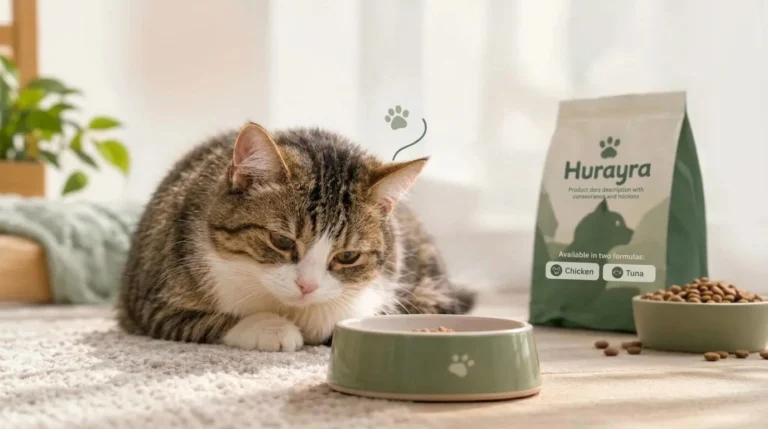
Cats that eat mainly dry food obtain less moisture from their meals than cats eating moisture-rich wet food. For more information, read Hurayra’s guide on how dry cat food affects hydration.
Wet food can contribute to daily water intake, but it does not cure a bacterial UTI. Cats with certain urinary conditions may also need a specific veterinary diet, so check with your vet before making a major dietary change.
Looking for cat food options? Explore Hurayra’s cat food range to discover our available products.
Keep the Litter Tray Clean
A clean, accessible litter tray helps your cat feel comfortable and makes it easier for you to monitor their urination.
Scoop it regularly and keep it somewhere quiet. If you have several cats, make sure they have enough litter trays in separate locations to reduce competition.
Pay attention to whether your cat is passing normal amounts of urine. A sudden reduction in output or repeated unsuccessful attempts to urinate needs prompt veterinary attention.
Reduce Stress at Home
Stress can contribute to feline idiopathic cystitis and may aggravate urinary symptoms in susceptible cats.
Keep your cat’s routine as predictable as possible. Provide comfortable hiding places, quiet resting areas, scratching opportunities and regular play. In multi-cat homes, ensure each cat can access food, water, litter trays and resting spaces without being disturbed.
These changes can support recovery and wellbeing, but they are not a substitute for treatment when an infection or another medical problem is present.
Stick to Your Vet’s Feeding Advice
Avoid sudden changes to your cat’s diet while they’re unwell unless your vet recommends them. If a therapeutic urinary diet is prescribed, ask before introducing other foods or supplements.
For general guidance on maintaining a consistent feeding routine, see our article on how often you should feed your cat.
The goal is to support your cat’s overall health without disrupting the treatment plan.
Can You Treat a Cat UTI at Home Without Antibiotics?
There is no reliable home remedy that can replace appropriate treatment for a bacterial UTI.
You may come across suggestions involving cranberry supplements, apple cider vinegar or other household ingredients. These are not established treatments for feline UTIs, and some products may be unsuitable or harmful to cats.
Never give your cat human medication, leftover antibiotics or supplements intended to treat urinary disease without veterinary advice.
If your cat has a bacterial infection, the vet will determine whether antibiotics are needed. If the problem is cystitis, stones or a blockage, a different treatment may be required.
Home care is valuable for comfort and ongoing wellbeing, but it cannot safely diagnose or treat every cause of urinary symptoms.
How Long Does a Cat UTI Take to Clear Up?
There isn’t one recovery timeline that applies to every cat.
An uncomplicated bacterial infection may improve relatively quickly once the correct treatment begins. More complicated infections, underlying health conditions and recurrent urinary problems may take longer to investigate and manage.
Your vet will tell you what improvement to expect and whether follow-up testing is necessary.
If your cat’s symptoms persist, worsen or return after treatment, contact your vet. The infection may not have resolved, the bacteria may require a different antibiotic, or the original problem may have another cause.
Do not assume that recurring urinary symptoms automatically mean another bacterial UTI.
What If Your Cat Keeps Getting UTIs?
Repeated urinary problems can be frustrating for both you and your cat. However, the next step isn’t necessarily another course of antibiotics.
Your vet may investigate possible contributing factors, including:
- Underlying illness: Diabetes and chronic kidney disease can increase the risk of bacterial urinary infections.
- Urinary stones or other abnormalities: These may contribute to persistent or recurring problems.
- Feline idiopathic cystitis: Repeated episodes of bladder inflammation can resemble UTIs even when bacteria aren’t responsible.
- Treatment that needs reviewing: Persistent symptoms may require a urine culture, further testing or a change in the treatment plan.
Keep a record of your cat’s symptoms, medication and any changes in urination. This information can help your vet understand the pattern and decide which investigations are appropriate.
The Bottom Line
Treating a UTI in cats starts with identifying the cause. A bacterial infection may require prescribed antibiotics, while bladder inflammation, urinary stones and blockages need different approaches.
At home, you can support recovery by providing fresh water, maintaining a clean litter tray, reducing stress and following your vet’s instructions.
If symptoms return, don’t simply assume the infection is back. Further testing may be needed to identify what’s really happening.
Your cat can’t explain where it hurts, but changes in their litter tray habits can tell you when something isn’t right. Pay attention, seek veterinary advice early and give them the best chance of a comfortable recovery.
Support your cat’s everyday wellbeing
Good daily care includes fresh water, appropriate nutrition and a comfortable environment. Explore Hurayra’s cat food range to learn more about our available food options.

Explore Hurayra
Frequently Asked Questions
Do not rely on that possibility. A bacterial infection may need veterinary treatment, while other urinary conditions can require different care. A vet should assess the symptoms, especially if they are new, persistent or worsening.
Improvement depends on the infection, the antibiotic and your cat’s overall health. Some cats begin to feel better within a few days, but the timeline varies. Follow your vet’s instructions and contact them if your cat isn’t improving as expected
Cranberry supplements are not an established treatment for an active feline UTI. Evidence for their effectiveness in cats is limited. Ask your vet before giving any urinary supplement.
Wet food increases the amount of moisture a cat receives from food and may support overall urinary health. However, it cannot guarantee prevention of UTIs or treat an existing infection. Cats with particular urinary conditions may need a specific veterinary diet.
Contact your vet if symptoms persist, return or worsen, or if your cat develops new signs of illness. If your cat cannot pass urine or repeatedly strains without producing a normal amount, seek emergency veterinary care immediately.