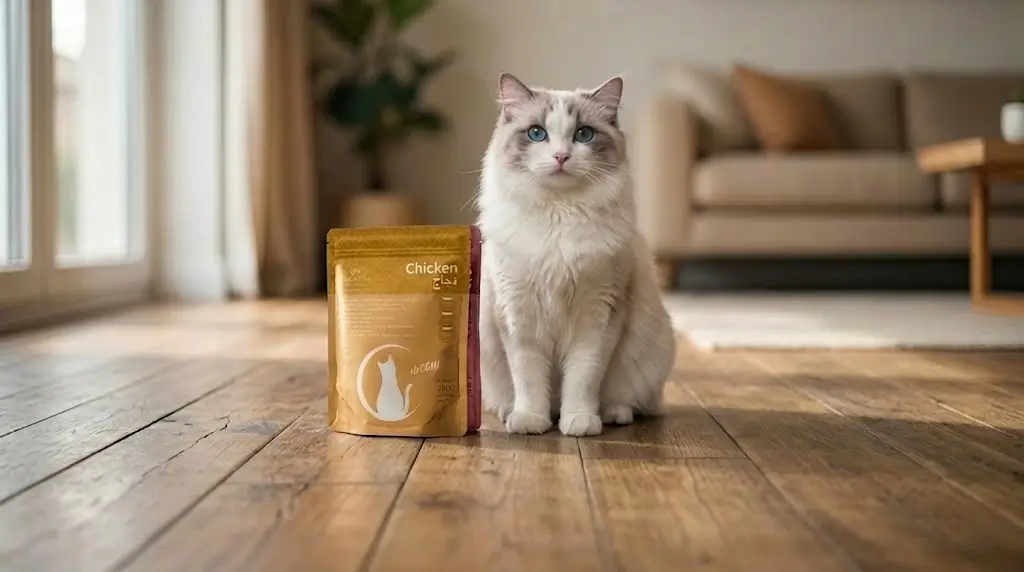
You are standing in the pet food aisle staring at 30 bags that all say roughly the same thing:
High protein, natural ingredients, your cat will love it.
But flip the bag over and read the actual ingredients list: Corn gluten, wheat. Brewers rice and meat derivatives from unspecified sources. That big protein number on the front? A lot of it is coming from plant protein, not animal meat.
Cats are obligate carnivores. Their bodies are not built to process grains and fillers. They need real animal protein, properly absorbed.
Here is the good news. There are brands that actually do this right. Here are the 10 best dry cat food brands in the UK for 2026.
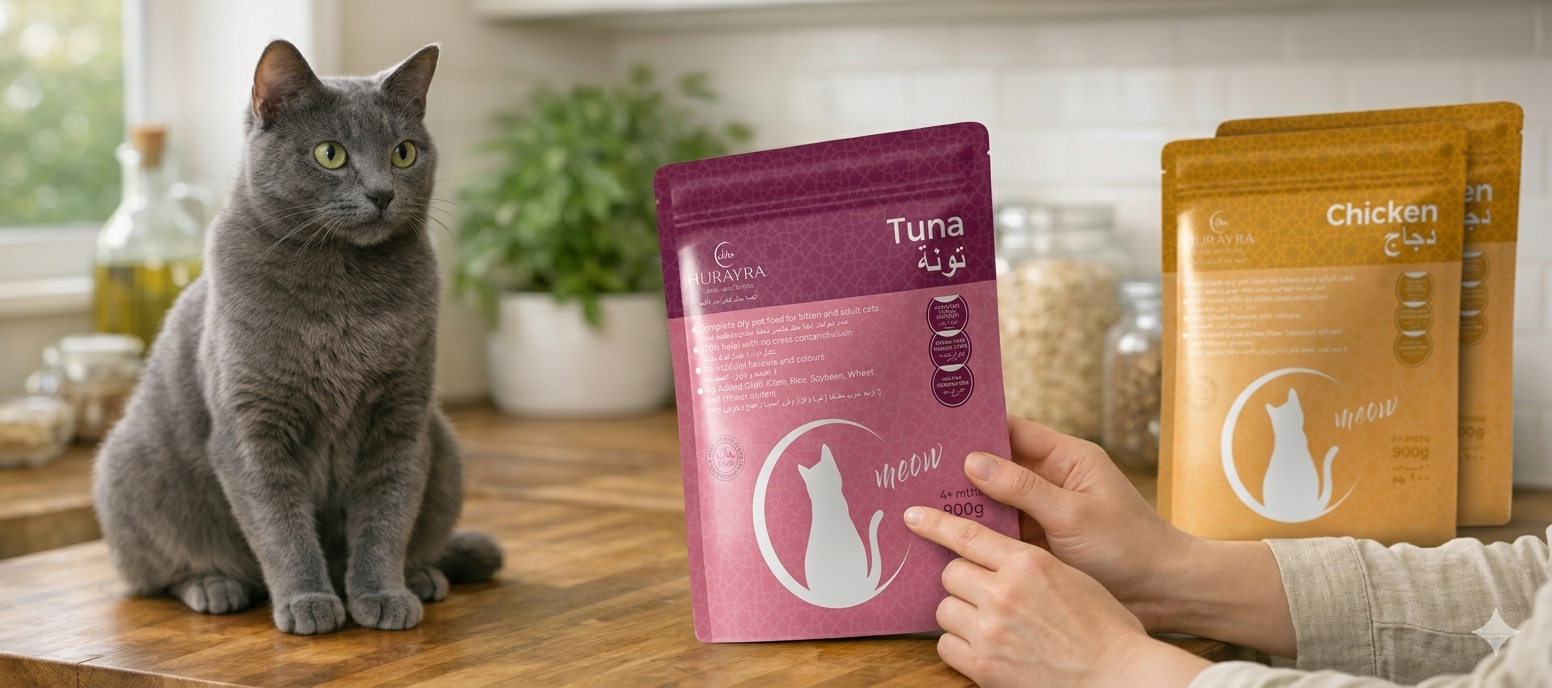
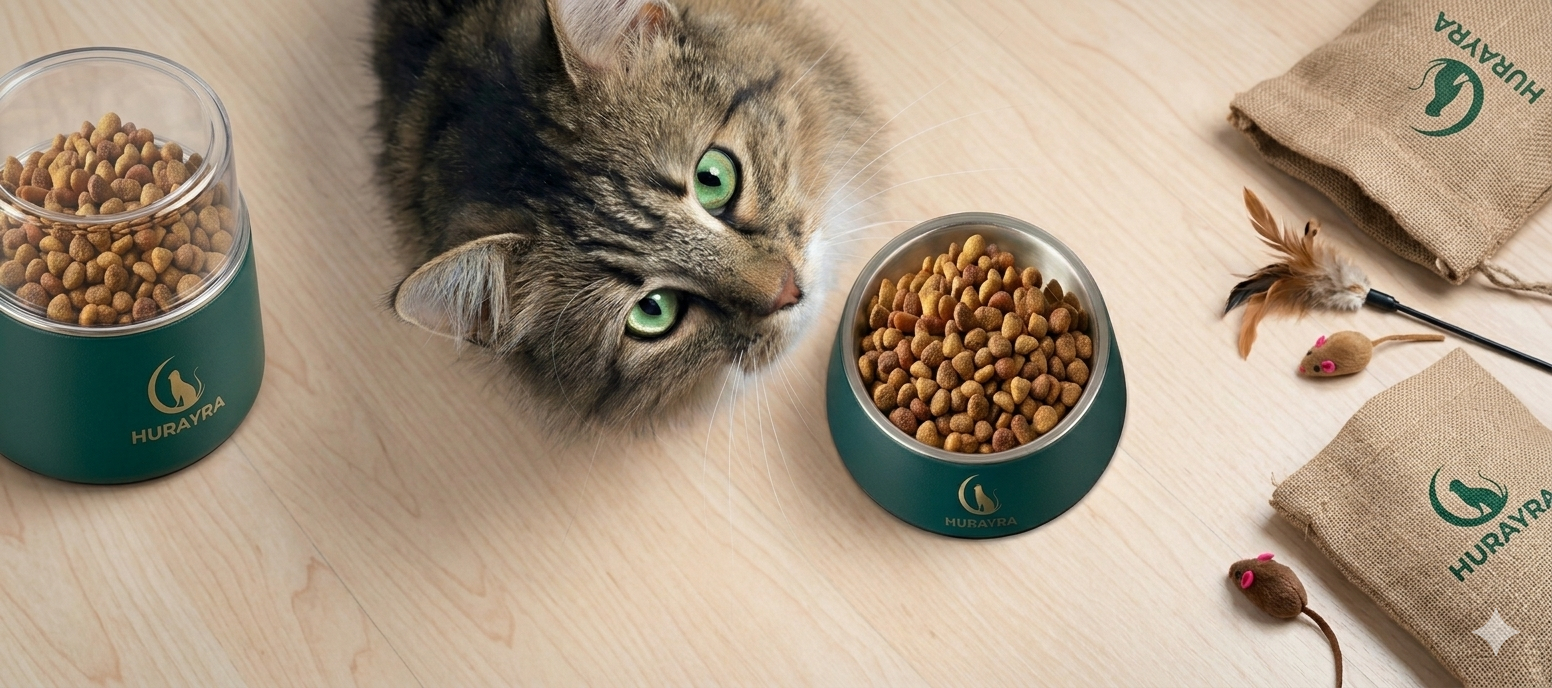
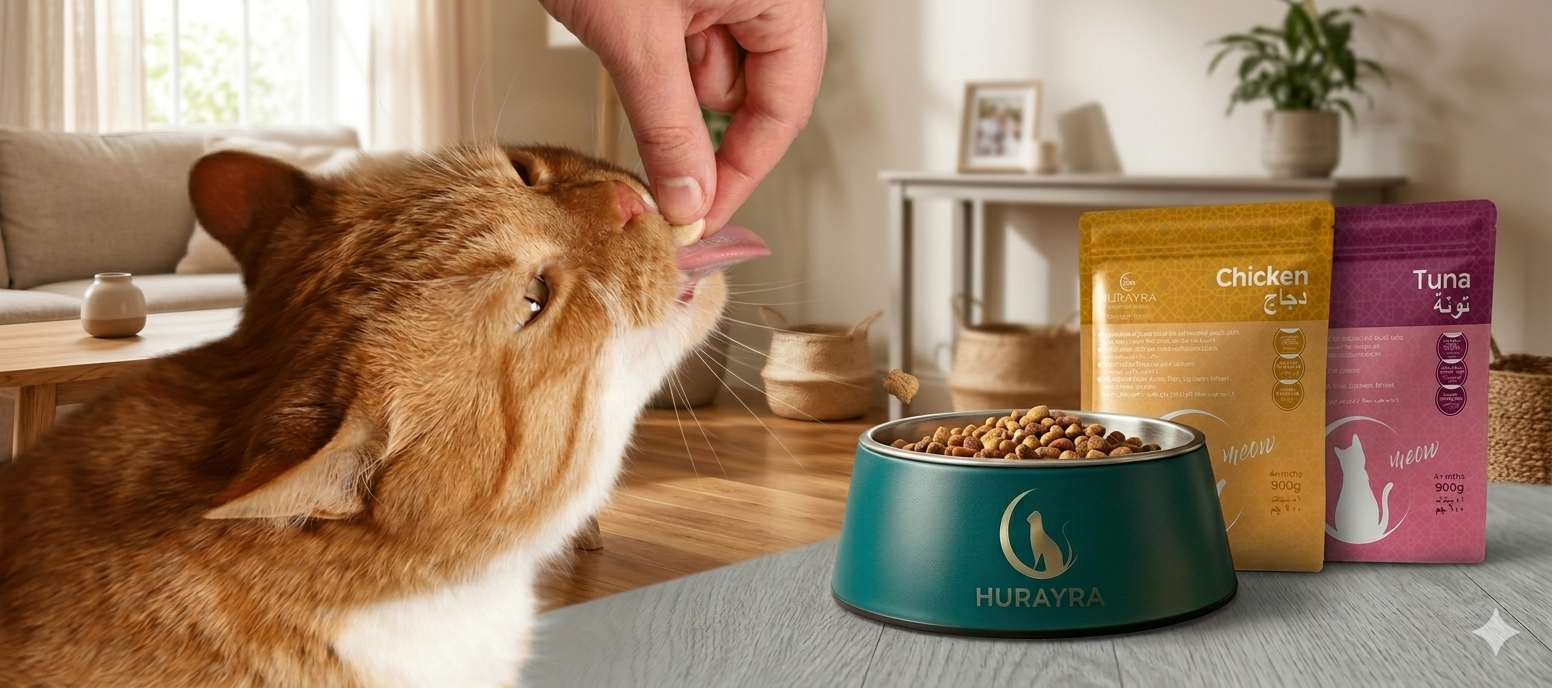
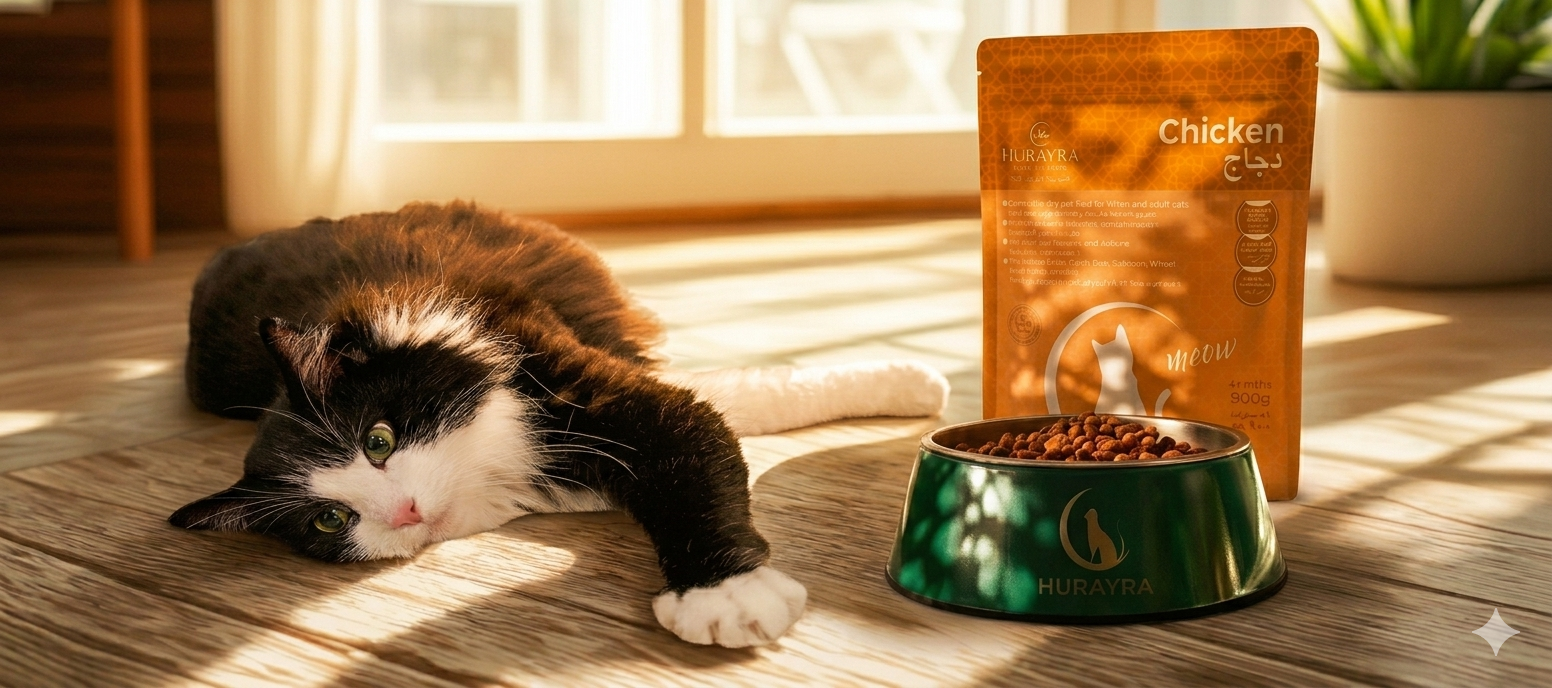
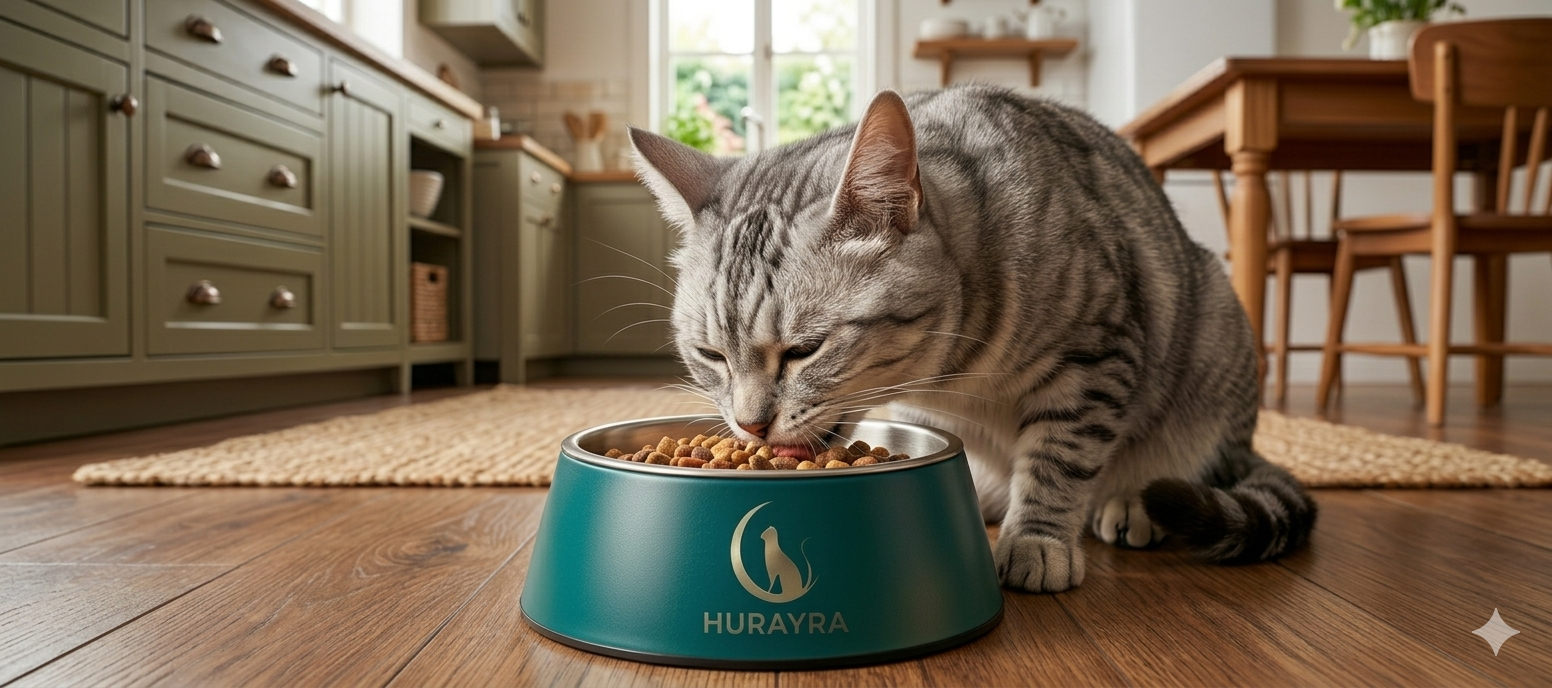
1. Hurayra Pet Foods
This one sits at the top of the list for a reason nobody else in this category can match.
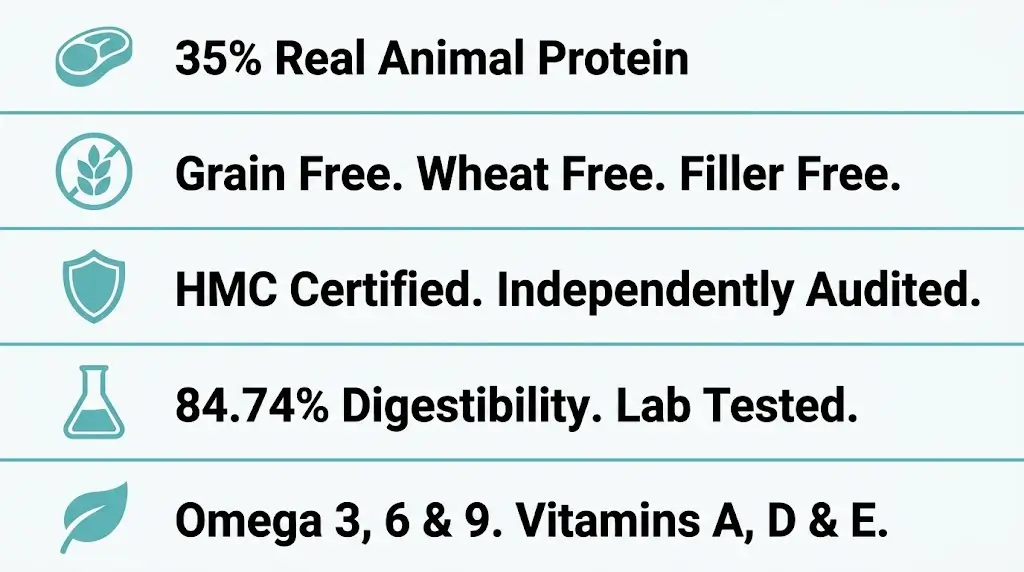
Hurayra is the only dry cat food brand in the UK that has commissioned and published independent digestibility testing. Chicken formula: 84.74%. Tuna formula: 85.29%. For context, the average dry cat food scores between 75% and 80%. Higher digestibility means more of every meal is actually absorbed and used by your cat’s body. Better coat, better digestion, more energy, and fewer trips to the vet over time.
The formula is 35% real animal protein, grain-free, wheat-free, and completely free from artificial additives, colours and preservatives. No corn, no soy, no fillers. Just clean, high-quality nutrition rich in Omega 3, 6 and 9, and essential vitamins A, D and E.
The brand is also HMC certified, which means every ingredient is independently audited, fully traceable from source to shelf, and free from cross-contamination. It is the most rigorous food manufacturing standard available in the UK, going well beyond what most premium brands are subject to.
Hurayra is available on Amazon UK and stocked in Morrisons.
If you are looking for the best dry cat food you can buy in the UK today with published science to back it up, this is the answer.
Pricing: £22.00 per 900g pouch. Available on subscription at 25% off, bringing the cost down to around £19.80 per pouch delivered to your door.
Where to buy: Amazon UK and Morrisons. Also available directly at hurayrapetfoods.com.
If you are looking for the best dry cat food you can buy in the UK today with published science to back it up, this is the answer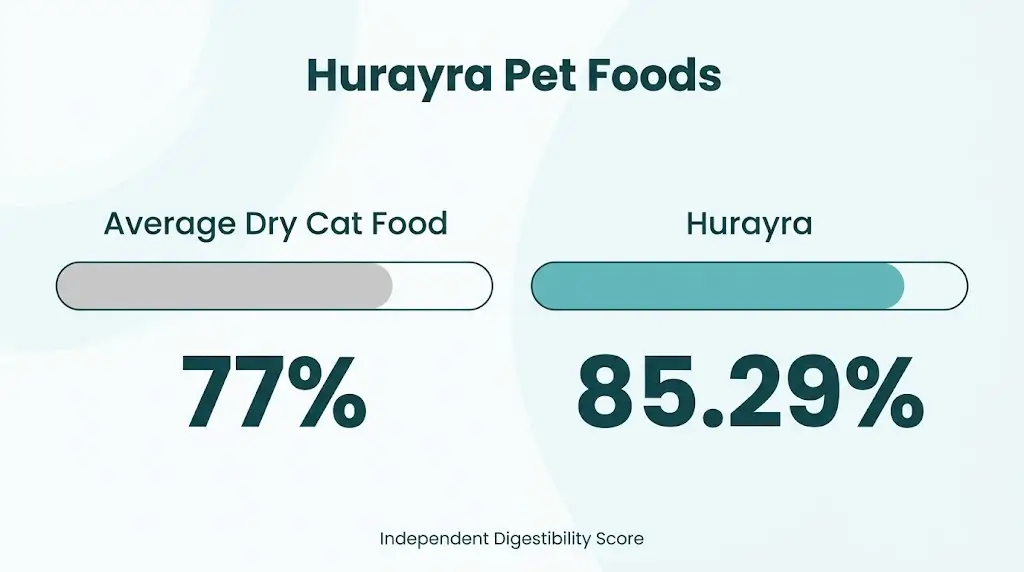
2. Lily’s Kitchen
Lily’s Kitchen sits comfortably in the premium tier and has been a trusted name in the UK for years. All of their dry food is grain-free, which puts them ahead of most supermarket brands instantly.
Meat is the primary ingredient across their range, and you will not find vague terms like “animal derivatives” on the label. Their recipes are also free from artificial preservatives and colours.
Widely available across the UK in Waitrose, Pets at Home and online. A strong choice for owners who want transparency and quality without going to the very top of the market on price.
Pricing: Approximately £5 for 350g, which works out to around £14 per kilogram.
Where to buy: Waitrose, Pets at Home and online. One of the more accessible premium brands in the UK.
3. Orijen
If budget is not your first concern, Orijen is one of the most protein-dense dry cat foods available anywhere.
Their recipes are built on fresh and raw meat, with minimal plant-based ingredients. The protein content is significantly higher than most competitors and the ingredient sourcing is detailed and verifiable. Some of their recipes contain over 40% protein from whole meat sources.
The trade-off is price. Orijen sits at the premium end of the market and is not as widely available in UK stores as other brands. But for owners who want the closest thing to a natural carnivore diet in kibble form, this is a serious contender.
Pricing: Among the most expensive on this list at approximately £28 to £35 per kilogram depending on retailer. A 340g bag typically costs around £12. This is the premium end of the premium market.
Where to buy: Specialist pet retailers and online. Not as widely available in mainstream UK supermarkets
4. Wellness CORE
Wellness CORE has built a loyal following among UK cat owners who want grain-free nutrition at a slightly more accessible price point than Orijen.
Around 40% whole meat products with no fillers or hidden by-products. A good option for cats with food sensitivities or intolerances, and well-reviewed by owners whose cats have previously had digestive issues on cheaper brands.
Pricing: Approximately £18 to £22 per kilogram. Mid to upper premium range. Good value for the quality of ingredients relative to competitors at a similar price.
Where to buy: Amazon UK and specialist pet retailers.
5. Canagan
Canagan is a UK-based premium brand that uses free-run chicken and fresh salmon as primary ingredients across their dry food range. No grain, no gluten, no soy and no artificial ingredients.
Their formulas are designed to replicate what a wild cat would eat, with high meat content and minimal plant-based filler. Mid-range on price compared to the others in this list, and available in independent pet stores and online.
Pricing: Approximately £13 to £16 per kilogram. Solid mid-range pricing for a genuinely premium ingredient list.
Where to buy: Independent pet stores and online retailers.
6. Purina ONE
Purina ONE is the go-to recommendation for owners who want decent quality without the premium price tag.
Chicken is the primary ingredient, the protein content sits around 34%, and the formula includes fish oil for skin and coat health. It is not grain-free, which means it falls short for cats with sensitivities. But for a healthy adult cat without dietary requirements, it is a solid everyday option widely available in supermarkets across the UK.
Pricing: Approximately £7 to £10 per kilogram. The most affordable option in the upper half of this list. Widely available means you can often find it on promotion.
Where to buy: All major UK supermarkets including Tesco, Asda, Sainsbury’s and online.
7. Tippaws
Tippaws is an independent UK brand doing things properly. Their adult dry food is made from 70% animal protein with added prebiotics, vitamins and minerals. No cereals or rice used as bulking agents.
They also have a specific formula for neutered cats, addressing weight management with essential amino acids rather than just reducing calories. Good for owners who want to support a smaller independent brand with genuinely strong nutritional credentials.
Pricing: Approximately £12 to £15 per kilogram. Competitive for the ingredient quality and worth supporting as an independent UK brand.
Where to buy: Direct from tippaws.com and online retailers.
8. Royal Canin
Royal Canin is vet-recommended and widely trusted in the UK. Their breed-specific and life-stage-specific ranges are useful for owners with particular health requirements to manage.
The ingredient quality does not match the premium brands above and their formulas do contain grains. But the clinical nutrition expertise behind Royal Canin is legitimate, and for cats with specific medical needs such as urinary health or weight management, it remains a sensible option recommended by many UK vets.
Pricing: Approximately £12 to £25 per kilogram depending on the range. The clinical and breed-specific ranges sit at the higher end.
Where to buy: Vets, Pets at Home, Pets Corner and online. One of the most widely distributed cat food brands in the UK
9. Thrive
Thrive started out making food for humans before moving into pet nutrition, and it shows. Their dry cat food has a high meat content, low carbohydrates, and is a popular choice for owners trying to move cats with sensitive stomachs onto better quality food.
Good value for what you get. Available on Amazon and in specialist pet stores. Worth considering if your cat struggles with richer premium foods but you still want to move away from budget supermarket brands.
Pricing: Approximately £10 to £14 per kilogram. Good value for the ingredient quality. Often available at competitive prices on Amazon.
Where to buy: Amazon UK and specialist pet stores.
10. Harringtons
Harringtons rounds out the list as the most accessible budget option. It is natural, free from artificial colours and flavours, and uses real meat as the primary ingredient.
Not grain-free and not at the nutritional level of anything above it on this list. But for owners on a tighter budget who still want better than own-brand supermarket kibble, Harringtons delivers reasonable quality at a price that works.
Pricing: Approximately £5 to £8 per kilogram. The most affordable option on this list by a clear margin.
Where to buy: Supermarkets, Pets at Home and online.
Conclusion
Most cat food brands are spending more on marketing than on ingredients. The front of the bag tells you very little. The ingredients list and any independent testing data tells you everything.
Only one brand on this list has published independent digestibility scores: Hurayra. That number, 84.74% on chicken and 85.29% on tuna, is the most honest thing a cat food brand can show you. That’s not a claim and even a marketing line rather, it’s a verified result from an accredited facility.
Your cat eats twice a day every day for their whole life. What goes in shapes what comes out. Including how healthy they stay and how many vet bills land on your doorstep.
That is why the best dry cat food in the UK right now is Hurayra. It’s available on Amazon UK and in Morrisons.