Written by Uzma Aslam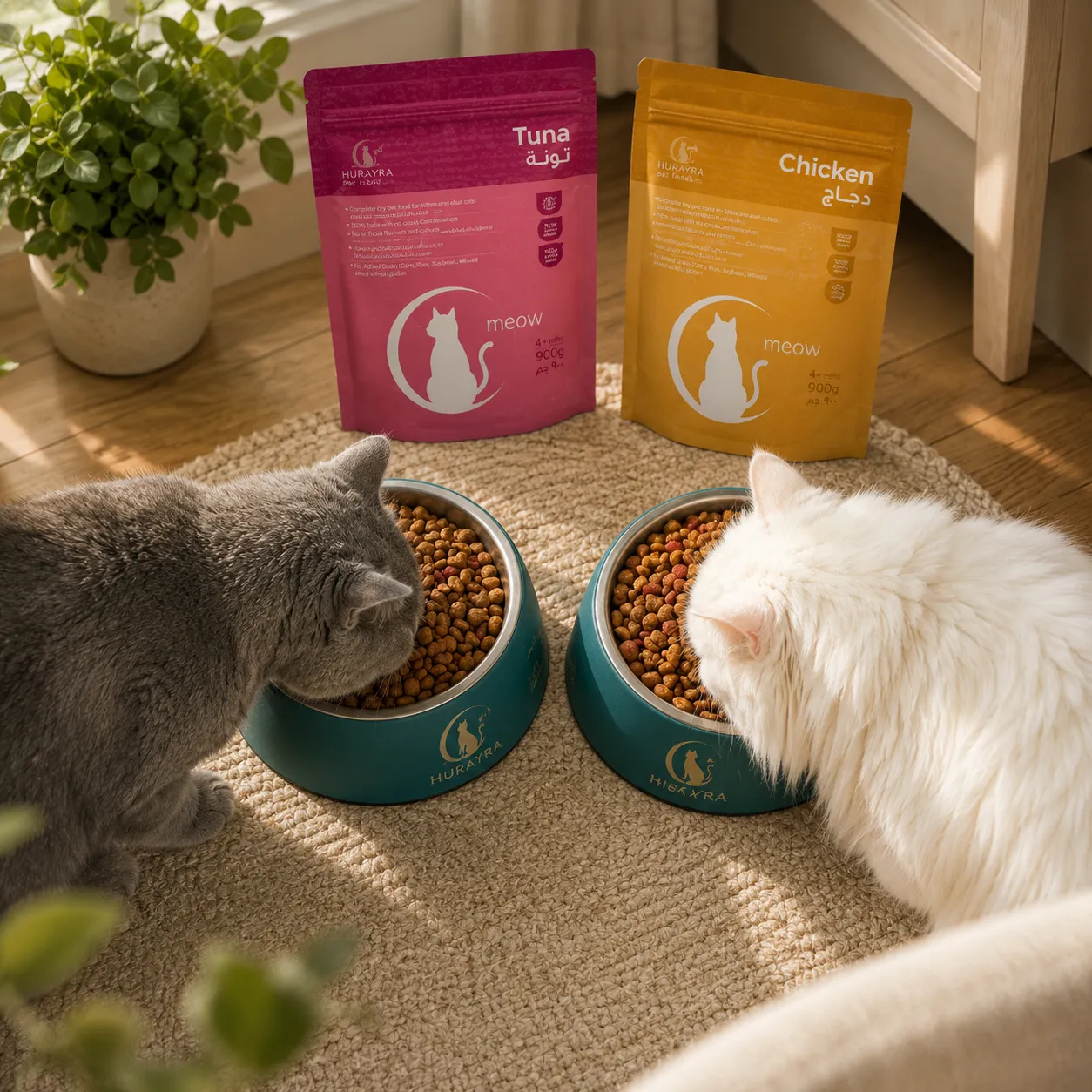
TL;DR
Most cats, especially indoor ones, cannot produce Vitamin D from sunlight. Low levels cause muscle weakness, bone loss, and immune decline. The fix: feed a high-protein diet with real fish and fortified animal ingredients.
Vitamin D Deficiency in Cats: Silent Symptoms and How to Fix It Through Diet
Most cat owners worry about the obvious things: hairballs, vaccinations, litter habits. What rarely comes up is something far more fundamental, which is whether their cat is getting enough vitamin D. It is one of the most quietly overlooked gaps in feline nutrition, and because its symptoms mimic ordinary ageing, it often goes undetected for months.
If you are building a broader picture of what your cat actually needs nutritionally, our complete vitamins guide for cats is a strong starting point. This article focuses specifically on vitamin D: what it does, how to spot a deficiency early, and how to correct it through food.
Why Sunlight Is Not Enough for Cats
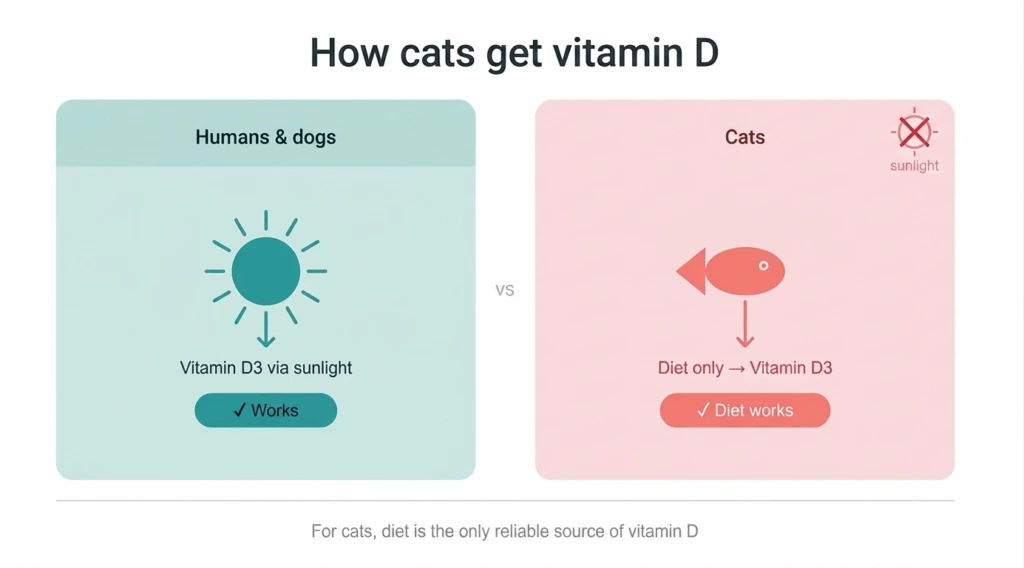
Humans and dogs convert sunlight into vitamin D through UV exposure in the skin. Cats, however, are unable to efficiently perform this conversion. Their skin lacks sufficient concentrations of the precursor compound needed to synthesise meaningful amounts of vitamin D3 from UV light.
This matters most for indoor cats, who have little to no access to direct sunlight at all. We explore this in detail in our article on why most indoor cats are vitamin D deficient. The short version: for cats, diet is the only reliable source of vitamin D, full stop.
5 Silent Symptoms of Vitamin D Deficiency in Cats
Low vitamin D rarely announces itself dramatically. Symptoms creep in gradually and are often dismissed as laziness, age, or stress. It is also worth noting that vitamin D does not work in isolation. Deficiencies in other nutrients like vitamin E can compound these effects, making early identification harder.
Persistent Lethargy. A cat that suddenly sleeps more, stops engaging with toys, or seems indifferent to meal times may be running low on vitamin D. This is typically the first sign owners notice, and the first one they dismiss.
Muscle Weakness. Vitamin D regulates how calcium is absorbed and used in muscle tissue. When levels drop, cats struggle to jump, move stiffly, and tire quickly during short bursts of activity.
Bone and Joint Pain. Long-term deficiency accelerates calcium loss from bones. In older cats, this can present as reluctance to be touched, sensitivity around the spine or hips, and early-onset arthritis-like stiffness.
Dental Deterioration. Loose teeth and inflamed gums are a less obvious but telling sign. Vitamin D plays a direct role in calcium metabolism, and the teeth are often where that imbalance shows first.
Weakened Immunity. Cats with low vitamin D pick up infections more frequently and take longer to recover. If your cat seems to cycle through minor illnesses repeatedly, nutritional deficiency is worth investigating.
How to Fix Vitamin D Deficiency Through Diet
The good news is that feline vitamin D deficiency is largely diet-correctable. The key is feeding cats food built around real animal proteins, particularly oily fish, which naturally carry high concentrations of vitamin D3. Plant-based sources do not work for cats. They need the preformed D3 found only in animal tissue.
Oily fish like salmon, tuna, and mackerel are the richest natural sources. If you have wondered whether tuna or salmon is the better choice for your cat from a nutritional standpoint, both deliver meaningful vitamin D alongside other essential fatty acids that support joint and coat health.
Vitamin D and omega-3s are also closely linked in supporting inflammation, joint mobility, and cellular health. Our guide on omega-3 for cats explains why these two nutrients deliver the best results when they appear together in the same food rather than supplemented separately.
What to Look for on a Cat Food Label
Not all cat foods deliver adequate vitamin D. Grain-heavy formulas that pad their recipes with cheap fillers tend to contain too little animal protein to provide meaningful levels. When evaluating a food, check the ingredient quality before the marketing claims on the front of the pack.
A high-quality formula will list vitamin D3 in the supplement section alongside a real named protein such as salmon, tuna, or chicken as the primary ingredient. Grain-free foods tend to maintain a higher protein-to-filler ratio, which means more room for the animal-derived nutrients your cat genuinely needs.
Avoid foods that list vitamin D as a standalone supplement without a strong animal protein base underneath it. Supplementation on top of a poor base formula will not correct a deficiency the way a nutritionally complete food will.
Final Thoughts
Vitamin D deficiency in cats is silent but serious. Because cats cannot rely on sunlight, everything depends on what goes into their bowl. The fix is not complicated. It comes down to choosing food built around real animal protein, especially oily fish, with verified vitamin D3 fortification and no cheap fillers diluting the formula.
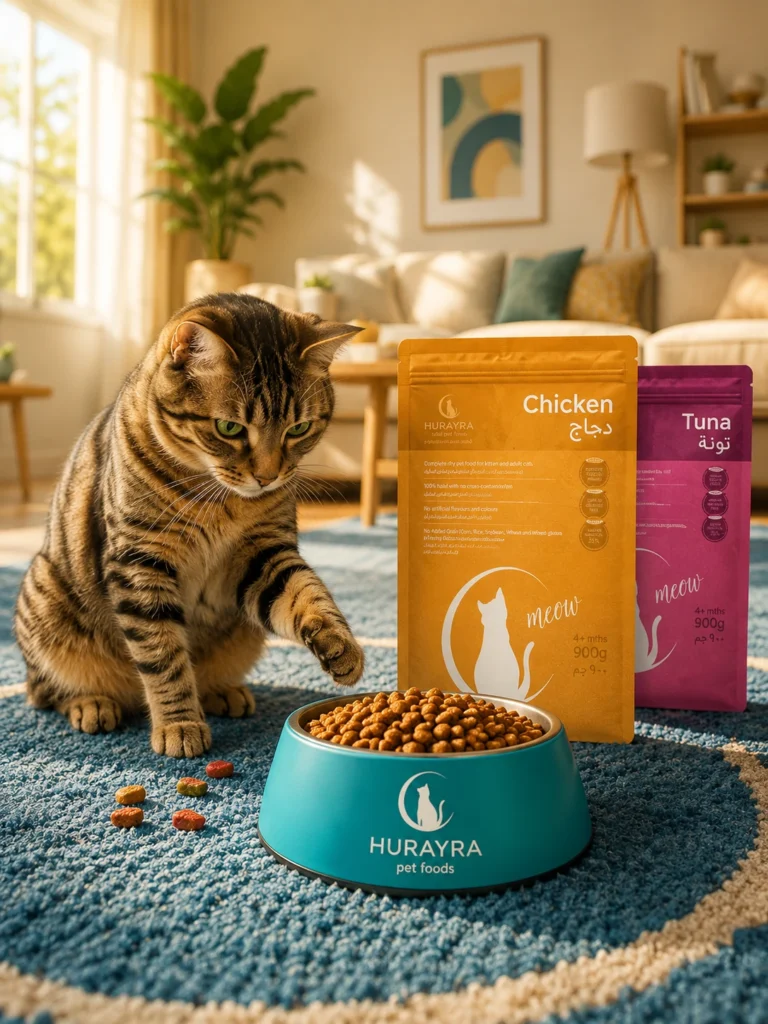
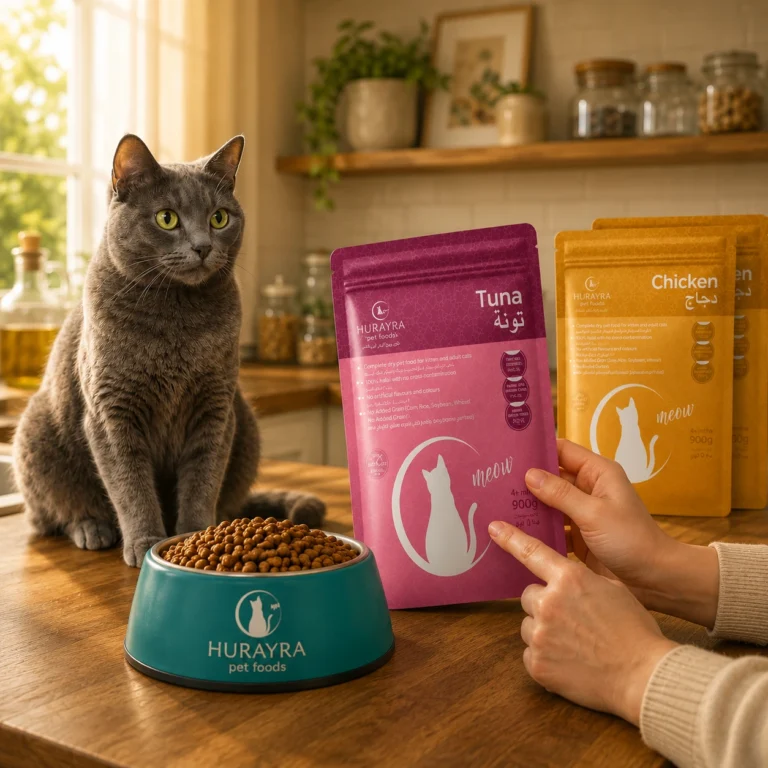
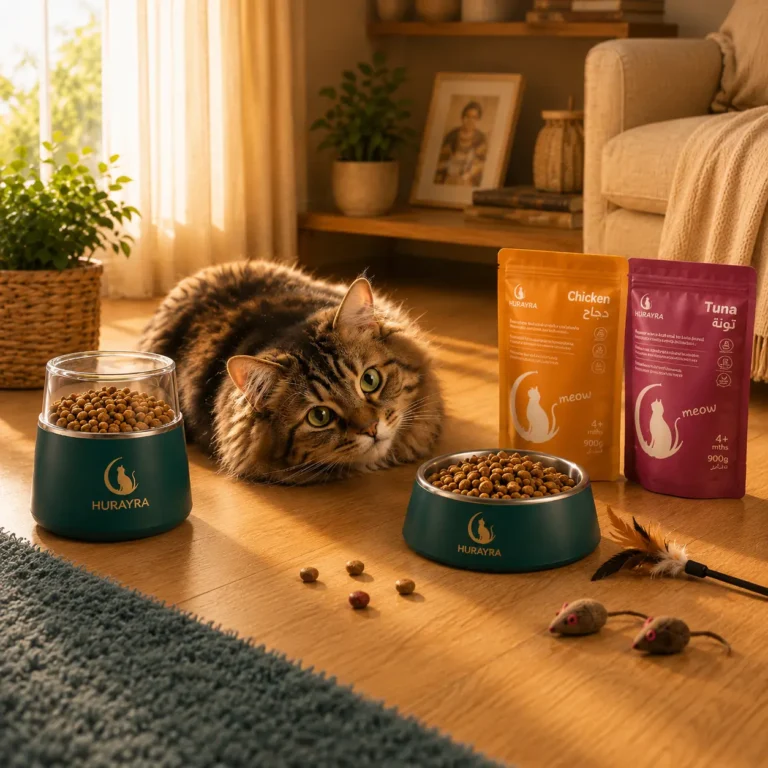
Hurayra’s high-protein, grain-free dry cat food is formulated with Vitamins A, D and E alongside Omega 3, 6 and 9, providing the building blocks of a genuinely complete feline diet. Explore our products and see how Hurayra addresses your cat’s daily nutritional needs.
Tuna and Chicken Combo
Subscribe & Save 25%
Frequently Asked Questions
1 Can cats get vitamin D from sunlight?
No, cats cannot efficiently produce vitamin D through sunlight exposure. Their diet is the only reliable source.
2 What are the early signs of vitamin D deficiency in cats?
Common early signs include lethargy and reduced activity levels. These symptoms are often mistaken for normal ageing.
3 Which foods are high in vitamin D for cats?
Oily fish like salmon, tuna, and mackerel are rich natural sources. High-quality fortified cat foods also provide vitamin D3.
4 Is vitamin D deficiency dangerous for cats?
Yes, it can lead to muscle weakness, bone loss, and poor immunity. Long-term deficiency may cause serious health issues.
5 Are indoor cats more at risk of vitamin D deficiency?
Supplements help, but they are not enough on their own. A balanced, protein-rich diet is essential for proper correction.
No, cats cannot efficiently produce vitamin D through sunlight exposure. Their diet is the only reliable source.
Common early signs include lethargy and reduced activity levels. These symptoms are often mistaken for normal ageing.
Oily fish like salmon, tuna, and mackerel are rich natural sources. High-quality fortified cat foods also provide vitamin D3.
Yes, it can lead to muscle weakness, bone loss, and poor immunity. Long-term deficiency may cause serious health issues.
Supplements help, but they are not enough on their own. A balanced, protein-rich diet is essential for proper correction.