Written by Maria Manshad

The Quick Answer
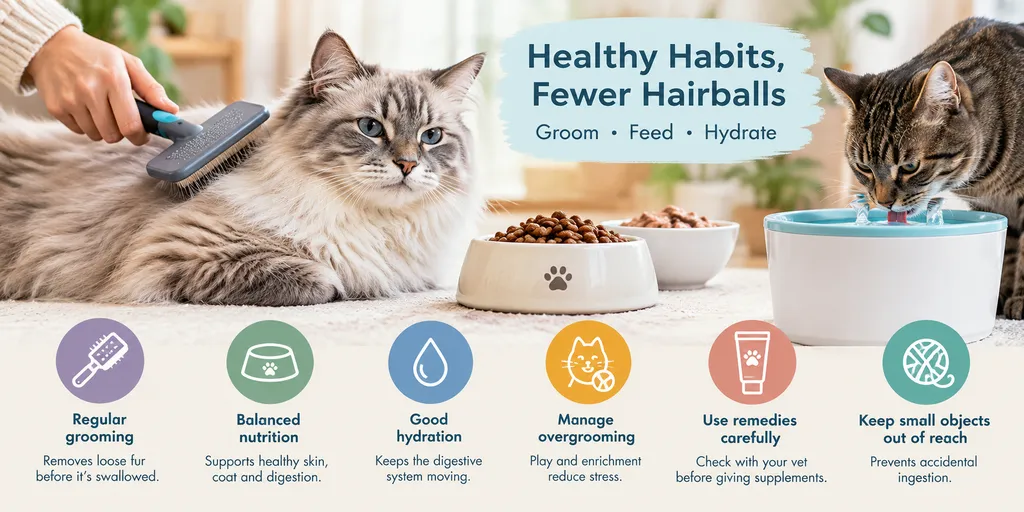
- Brush regularly: Remove loose fur before your cat swallows it, especially during shedding season.
- Choose suitable food: A complete, balanced diet is essential. Ask your vet whether a hairball-control formula would help.
- Encourage hydration: Keep fresh water available and consider wet food if it suits your cat’s nutritional needs.
- Watch for overgrooming: Excessive licking can point to stress, itchy skin or another health issue.
- Be cautious with remedies: Use hairball gels or supplements only when appropriate and with veterinary guidance.
- Know when to call the vet: Repeated retching, breathing difficulty, appetite loss or unusual lethargy should never be dismissed as an ordinary hairball.
Finding a hairball on your favourite rug is one thing. Stepping on one barefoot is another.
Hairballs are a fairly familiar part of life with cats, but that doesn’t mean you have to accept them as a regular surprise around the house. As cats groom themselves, they swallow loose fur. Most of it passes through their digestive system, but some can collect in the stomach and eventually come back up.
The good news? A few simple changes to your cat’s grooming routine, diet and daily environment can help reduce the amount of swallowed hair and lower the risk of hairballs.
Here’s how to prevent hairballs in cats, what to avoid and when repeated episodes deserve a closer look.
Why Do Cats Get Hairballs?
Cats have tiny, backward-facing projections on their tongues that help them remove loose fur while grooming. Unfortunately, some of that fur gets swallowed.
Most swallowed hair travels through the digestive tract and leaves the body in the stool. Hairballs form when hair accumulates instead of passing through normally.
Long-haired cats, heavy shedders and cats that groom themselves excessively may be more prone to hairballs. Skin conditions, stress-related overgrooming and digestive problems can also contribute.
An occasional hairball may happen, but frequent episodes should not automatically be considered normal. They can sometimes indicate an underlying problem that needs veterinary attention.
How to Prevent Hairballs in Cats: 6 Simple Steps
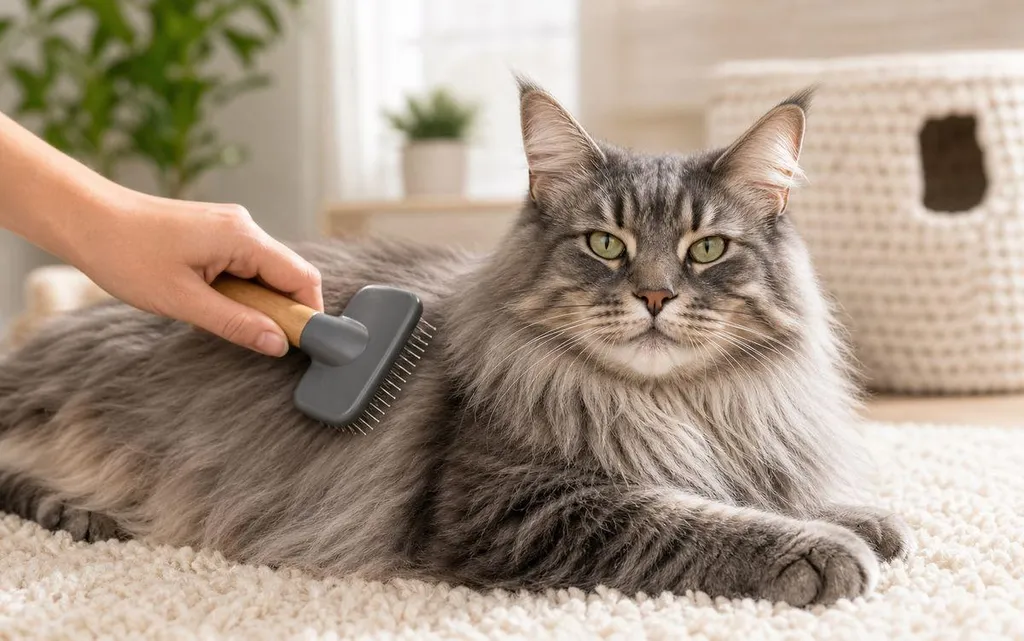
1. Brush Your Cat Regularly
Brushing removes loose fur before your cat swallows it. Long-haired cats often benefit from daily brushing, while short-haired cats may need it once or twice a week.
Make grooming easier:
- Choose a brush suited to your cat’s coat.
- Start with short, gentle sessions.
- Avoid pulling at knots or forcing your cat to stay still.
- Ask a groomer for help with stubborn mats.
Sudden shedding, bald patches or irritated skin warrant a veterinary check.
2. Feed a Complete and Balanced Diet
A balanced diet supports healthy skin and coat, but no food can guarantee hairball prevention.
Hairball-control diets contain selected fibres that may help swallowed hair move through the digestive tract. If hairballs keep returning, ask your vet whether a specialist diet is appropriate. Introduce food changes gradually unless advised otherwise.
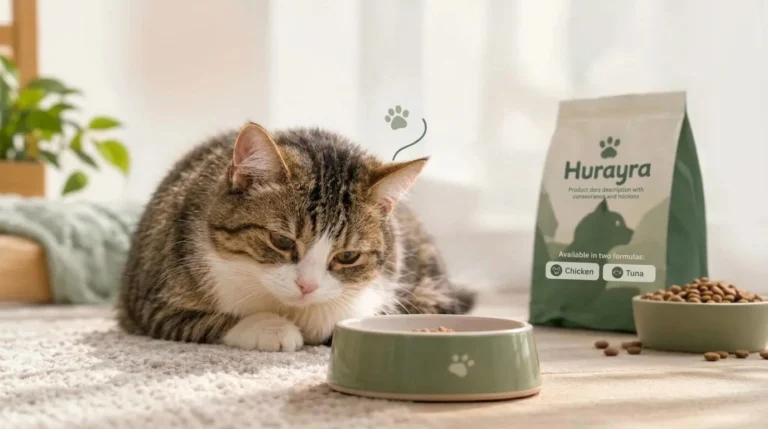
For a closer look at the ingredients and nutrients in cat food, read our guide to Hurayra’s cat food composition.
3. Encourage Your Cat to Drink More Water
Adequate hydration supports normal digestion, although it won’t necessarily prevent hairballs on its own.
- Provide fresh water daily.
- Keep bowls clean and accessible.
- Try a fountain if your cat prefers running water.
- Consider wet food as part of a balanced diet.
Wet food provides additional moisture, but persistent hairballs may need more than a dietary adjustment.
If you’re considering wet food to increase your cat’s moisture intake, see our guide on how much wet food to feed a cat.
4. Watch for Overgrooming
Excessive licking can increase the amount of fur your cat swallows. It may also indicate itching, parasites, pain or stress.
Encourage play with interactive toys, provide scratching posts and create comfortable hiding places. If your cat develops bald patches, irritated skin or persistent grooming habits, consult your vet.
5. Use Hairball Remedies Carefully
Hairball gels, supplements and specialised treats may help some cats, but their suitability depends on the product and your cat’s health.
Don’t assume natural remedies are always safe. Avoid giving human laxatives, cooking oil, butter or mineral oil as DIY treatments. Ask your vet before using hairball products, especially if episodes are frequent.
6. Keep Small Objects Out of Reach
String, ribbon, thread and dental floss can cause serious digestive problems if swallowed. Keep them away from curious cats and check toys for loose pieces.
If your cat swallows a string, contact your vet promptly. Never pull visible strings from your cat’s mouth or anus.
Can Cat Food Prevent Hairballs?
Hairball-control food may help some cats, but it isn’t a guaranteed fix.
These diets often use selected fibre sources to support the movement of swallowed hair through the digestive tract. The effectiveness depends on the formulation and the cat’s individual needs.
Wet food can also increase moisture intake, but it doesn’t automatically prevent hairballs. Likewise, dry food does not automatically cause them.
The most useful approach is to focus on your cat’s overall nutritional needs, regular grooming and any underlying health concerns. If hairballs keep occurring despite these measures, ask your vet whether a dietary change or further investigation makes sense.
Choosing the right food for your cat?
Explore Hurayra’s cat food range and review the ingredients before deciding what suits your cat’s nutritional needs.
Are Hairballs Normal, or Should You Worry?
An occasional hairball in an otherwise healthy cat may not be an emergency. Repeated episodes deserve attention.
Contact your vet if your cat has:
- Frequent vomiting or repeated retching.
- Retching without producing a hairball.
- Reduced appetite or unusual lethargy.
- Weight loss, constipation or diarrhoea.
- A swollen or painful abdomen.
Breathing difficulty, collapse or severe distress requires emergency veterinary care. Repeated retching may indicate a respiratory problem or blockage rather than a hairball.
Remember: preventing hairballs is helpful, but identifying the reason behind frequent episodes is just as important.
A Little Prevention Goes a Long Way
Hairballs may be common, but you can often reduce their frequency with regular grooming, appropriate nutrition, good hydration and attention to changes in your cat’s behaviour.
Start with the basics: remove loose fur, maintain a consistent routine and avoid experimenting with unapproved remedies. If hairballs keep coming back, don’t assume your cat simply needs more brushing. A veterinary check can help identify whether an underlying skin or digestive problem needs attention.
Your cat gets a healthier grooming routine, and you get fewer unpleasant surprises on the carpet.
Frequently Asked Questions
Long-haired cats often benefit from daily brushing, while short-haired cats may need brushing once or twice a week. Increase grooming during heavy shedding and adjust the routine to your cat’s coat.
No. Dry food does not automatically cause hairballs. The amount of swallowed fur, grooming habits, individual health and diet all play a role. Wet food can contribute to hydration, but neither food type guarantees prevention.
Brush your cat daily if tolerated, pay attention to knots and mats, and monitor shedding. If your cat resists brushing, introduce it gradually or ask a professional groomer for help.
Not all natural remedies are safe or effective. Don’t give oils, human laxatives or supplements without veterinary guidance. If hairballs are frequent, have your cat assessed before relying on home treatments.
Seek veterinary advice if hairballs are frequent, your cat repeatedly retches without producing one, or you notice appetite changes, weight loss or unusual lethargy. Breathing difficulty or severe distress requires emergency care.