Vitamin A for Cats: Why It’s Essential and the Best Food Sources
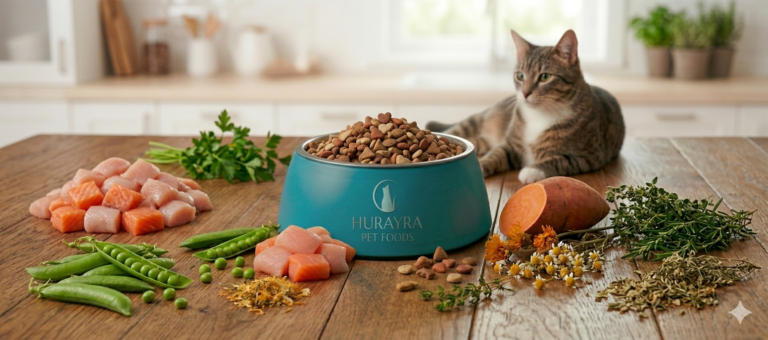
TL;DR Cats cannot convert plant-based beta-carotene into vitamin A. They need preformed retinol from animal sources like chicken, liver, and tuna. A…
Read MoreGuides, nutrition tips and stories for cat owners — written plainly and kept current.
TL;DR Cats cannot convert plant-based beta-carotene into vitamin A. They need preformed retinol from animal sources like chicken, liver, and tuna. A…
Read MoreVitamin D for Cats: Why Most Indoor Cats Are Deficient Your cat is not a small dog. And they are not miniature…
Read MoreTL;DR Soy is a common cat food filler with no benefit for obligate carnivores. It disrupts digestion, blocks mineral absorption, and may…
Read MoreTL;DR Cats with sensitive stomachs often benefit from grain-free diets built around single-source protein. Focus on high protein, low carbs, and clear…
Read MoreTL;DR Cats can’t efficiently process grains. For sensitive stomachs, a grain-free diet built around named single-source protein reduces digestive upset and aligns…
Read MoreTL;DR Tuna makes an excellent daily protein for most cats…high in protein, highly palatable, and safe when part of a complete, balanced…
Read MoreTL;DR Omega-3 from marine sources like tuna and salmon can make a noticeable difference to your cat’s coat within weeks. The active…
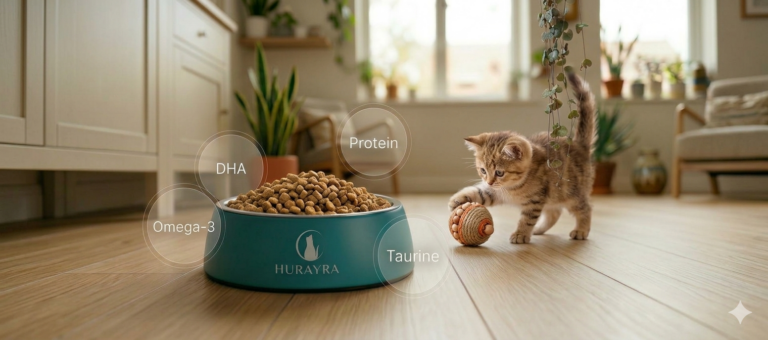
Read MoreTL;DR DHA, an omega-3 fatty acid from marine sources, is essential for a kitten’s brain and eye development in the first six…
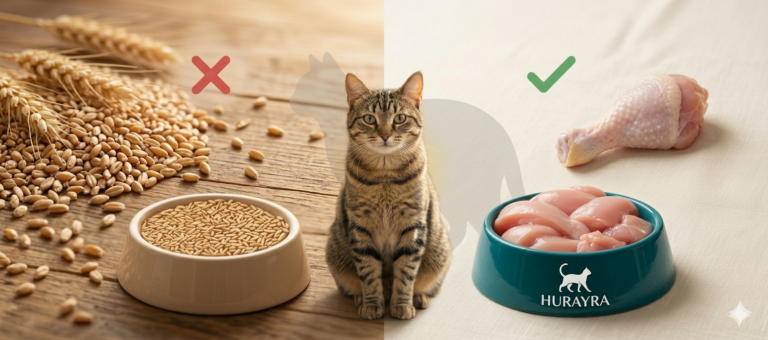
Read MoreTL;DR Cats are obligate carnivores with no biological need for grains and limited ability to digest starch. The real question isn’t whether…
Read More